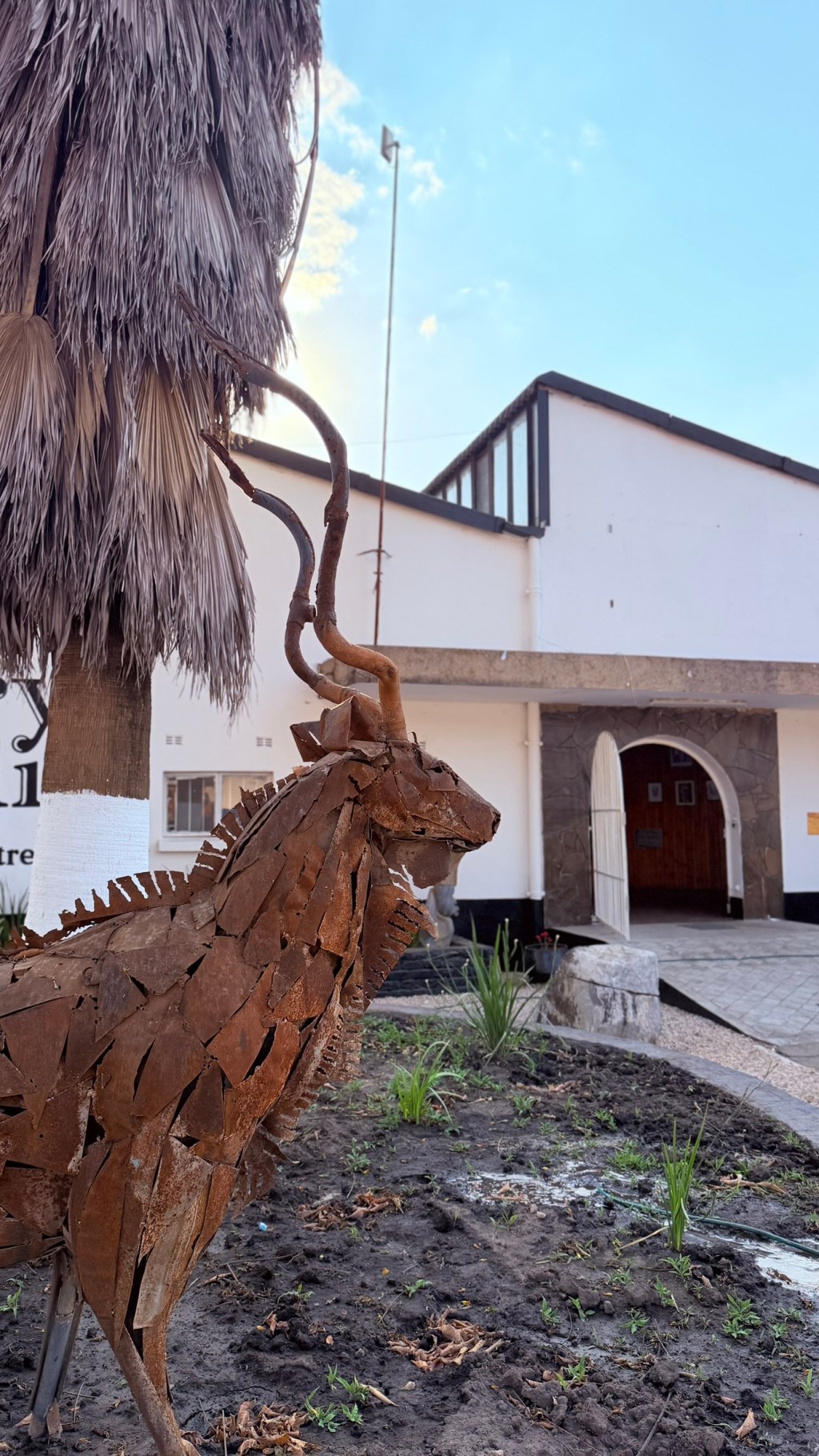
The Visual Arts Council stands today as one of Zambia’s most meaningful cultural anchors, an organisation and space shaped not by institutions, but by artists themselves. That truth came through clearly at the Council’s 37‑year milestone event, which took place on 13th September 2026 at the Henry Tayali Gallery, in Lusaka’s Showgrounds, where shared memories and reflections revealed a story built on resilience, community, and an unwavering commitment to creativity. Being at the event felt like being part of a collective exhale, with artists from different generations taking a long enough moment to look back, acknowledge the journey and recognise how the Council has shaped Zambia’s visual arts landscape.
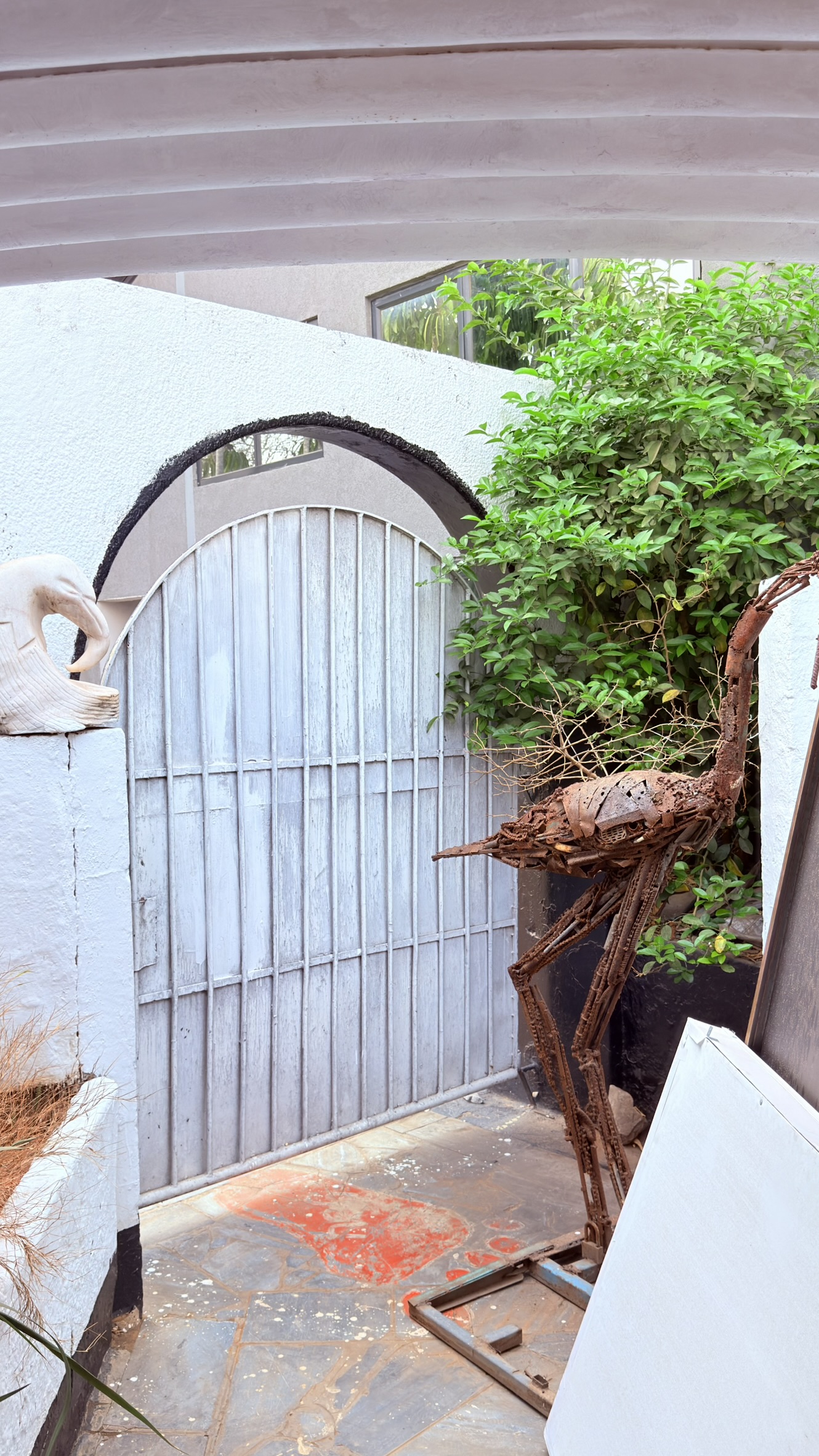
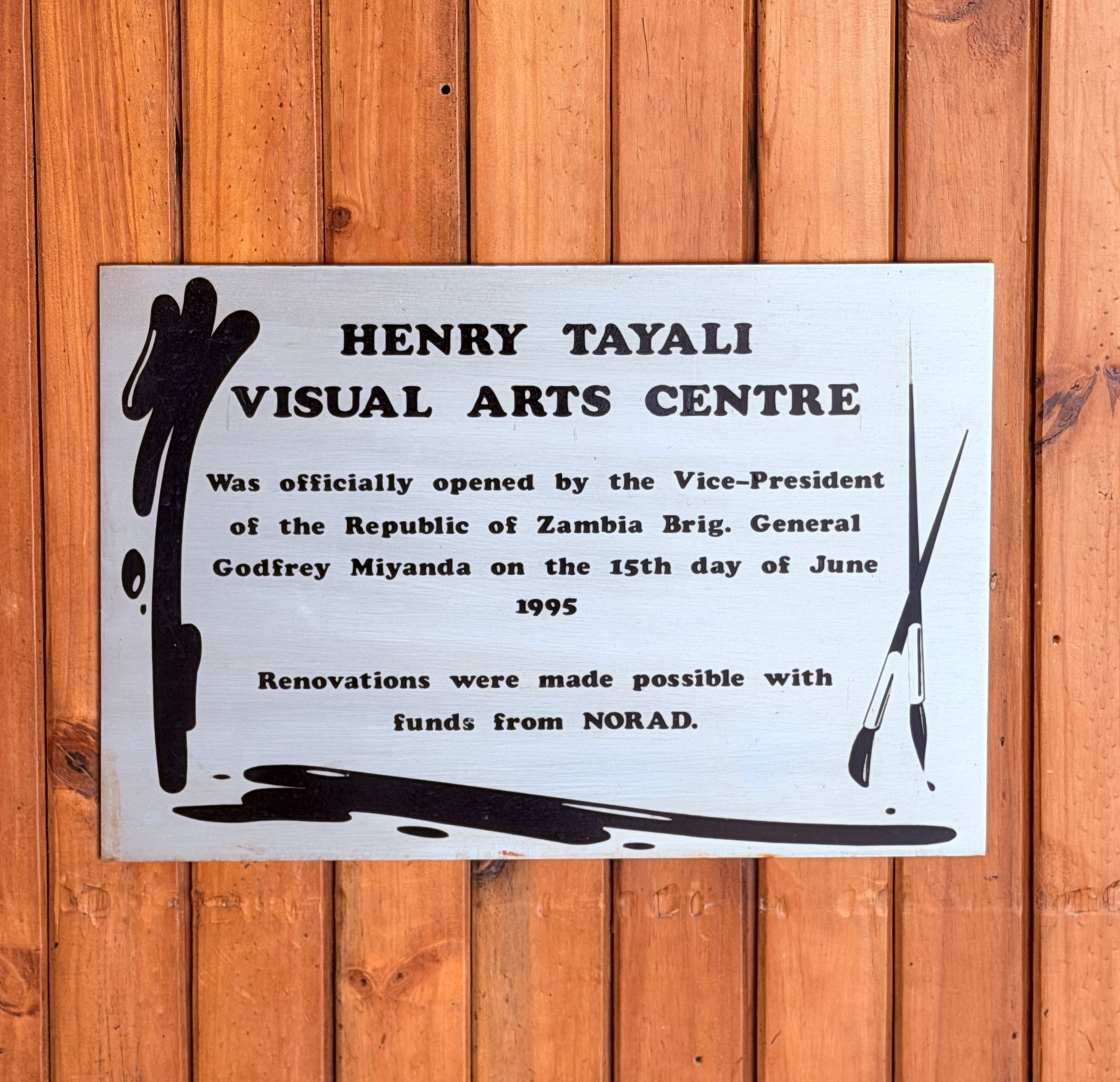
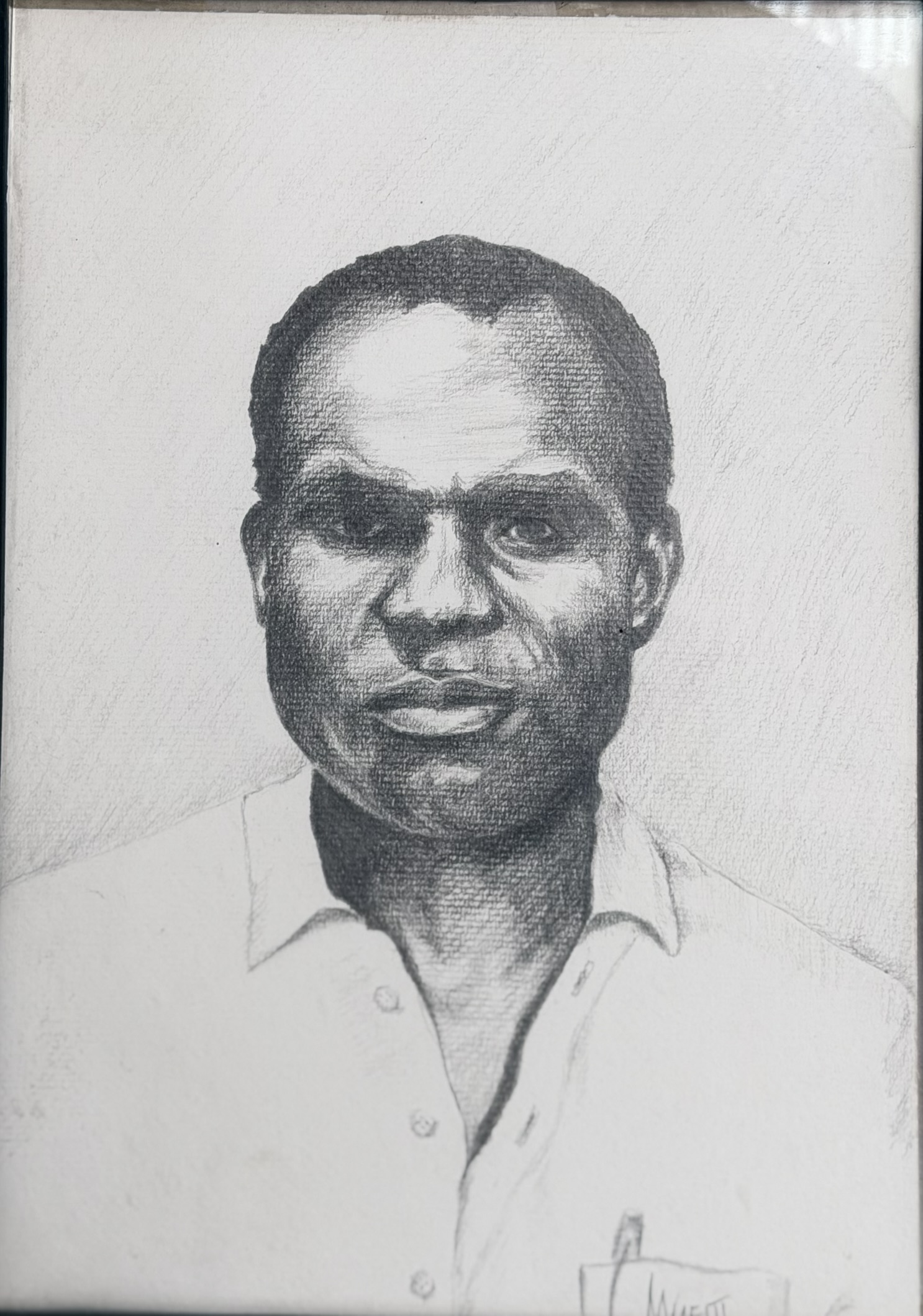
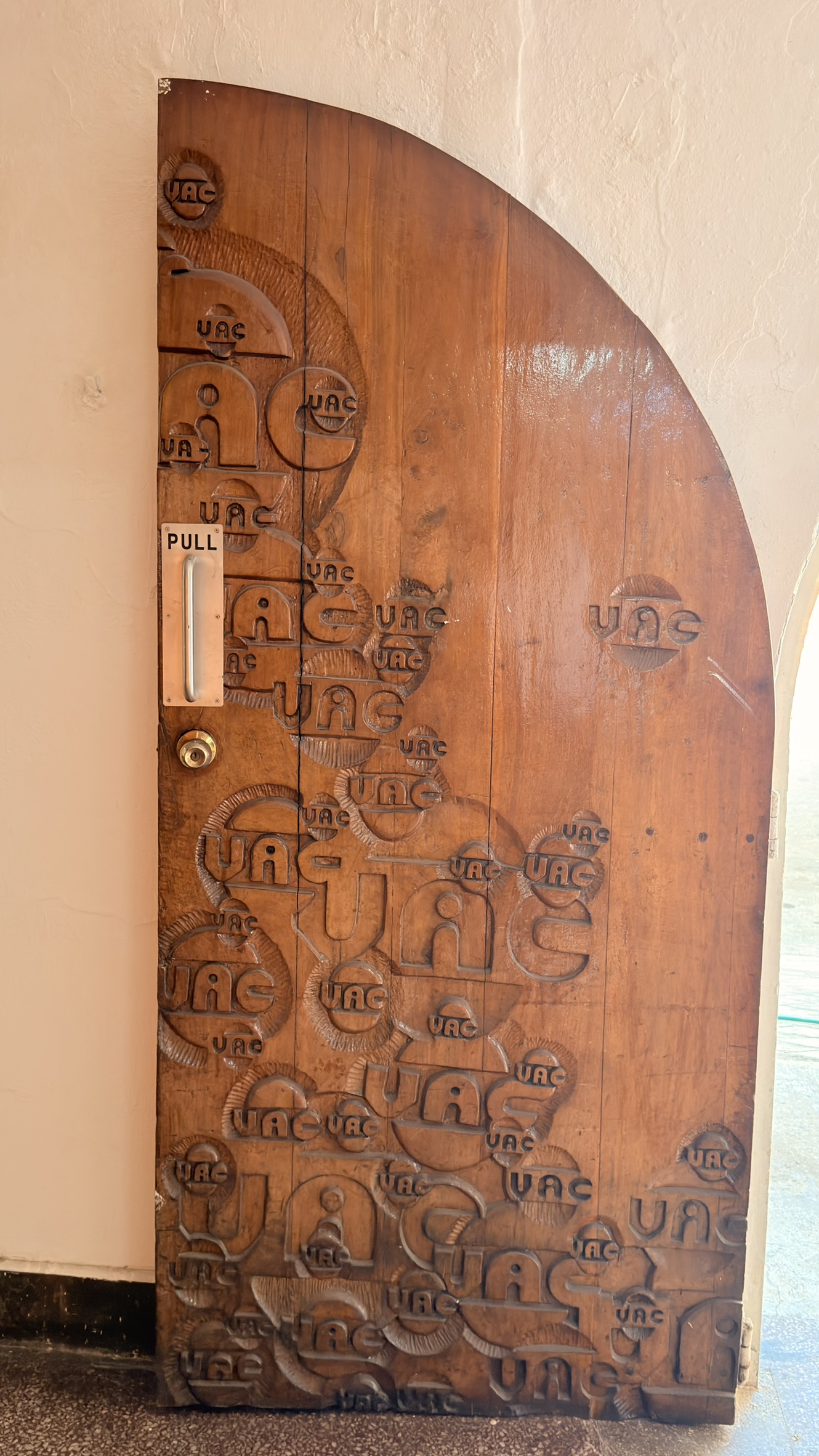
I learned that in the early 1990s, artists trekked to this former tobacco warehouse not just in search of a workspace, but a home. It became a refuge for painters, sculptors, and dreamers who often moved from place to place without formal support. Many of Zambia’s most prominent artists passed through these doors and built something rare for that era: a self‑sustaining artistic community grounded in voluntary effort, shared resources, and mutual encouragement.
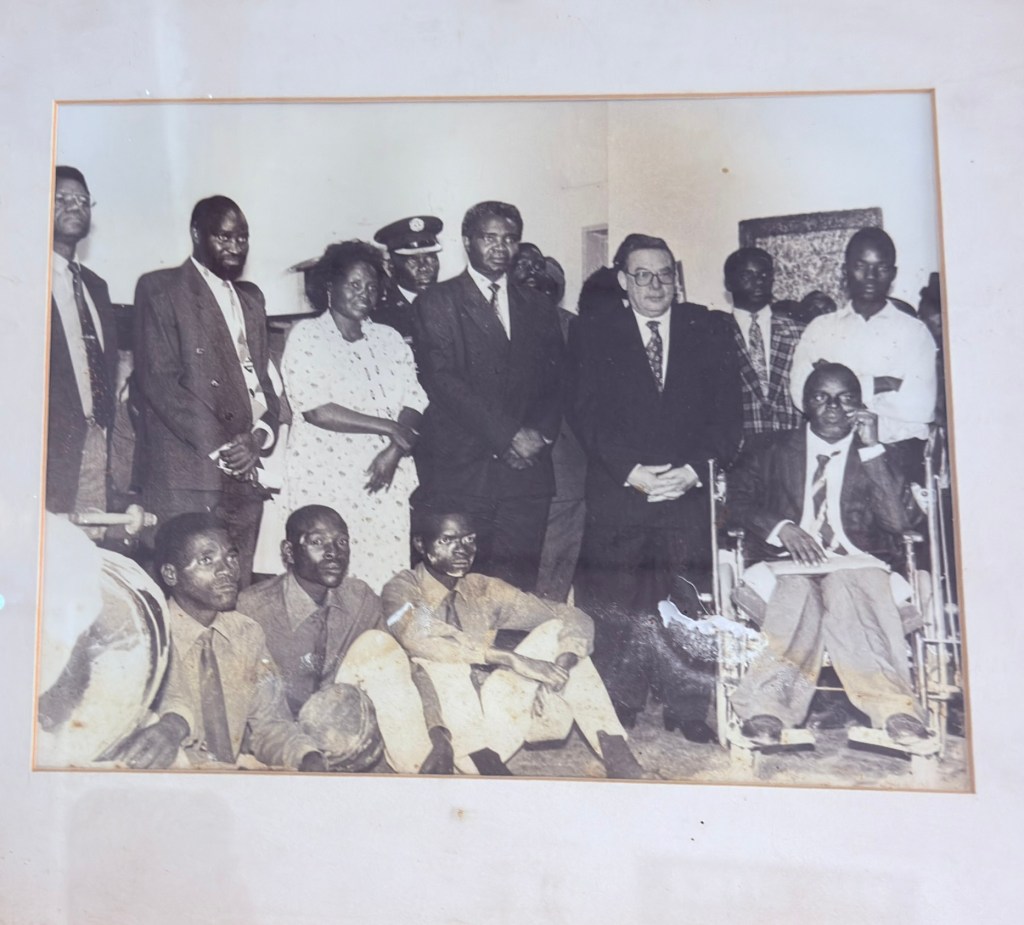
Some of the more heartfelt moments came when artists openly reflected on their personal journeys. A few spoke about arriving at the Council decades ago with nothing but passion, and finding a community that shaped their careers. Others remembered mentors who lifted them, peers who challenged them, and the spaces that allowed them to evolve. Some of those artists have since passed on, while others continue to create and teach emerging artists to hone their creativity. Many remain unrecognised despite their immense contributions. The gathering made it clear how important it is to honour these individuals, to document their stories, and to celebrate the friendships and collaborations that shaped the nation’s artistic landscape. Having lost my matriarch earlier this year, I felt deeply connected to the shared understanding that memory is fragile and that the stories of artists, especially those who built the foundation long before art was widely celebrated, must be held with intention.
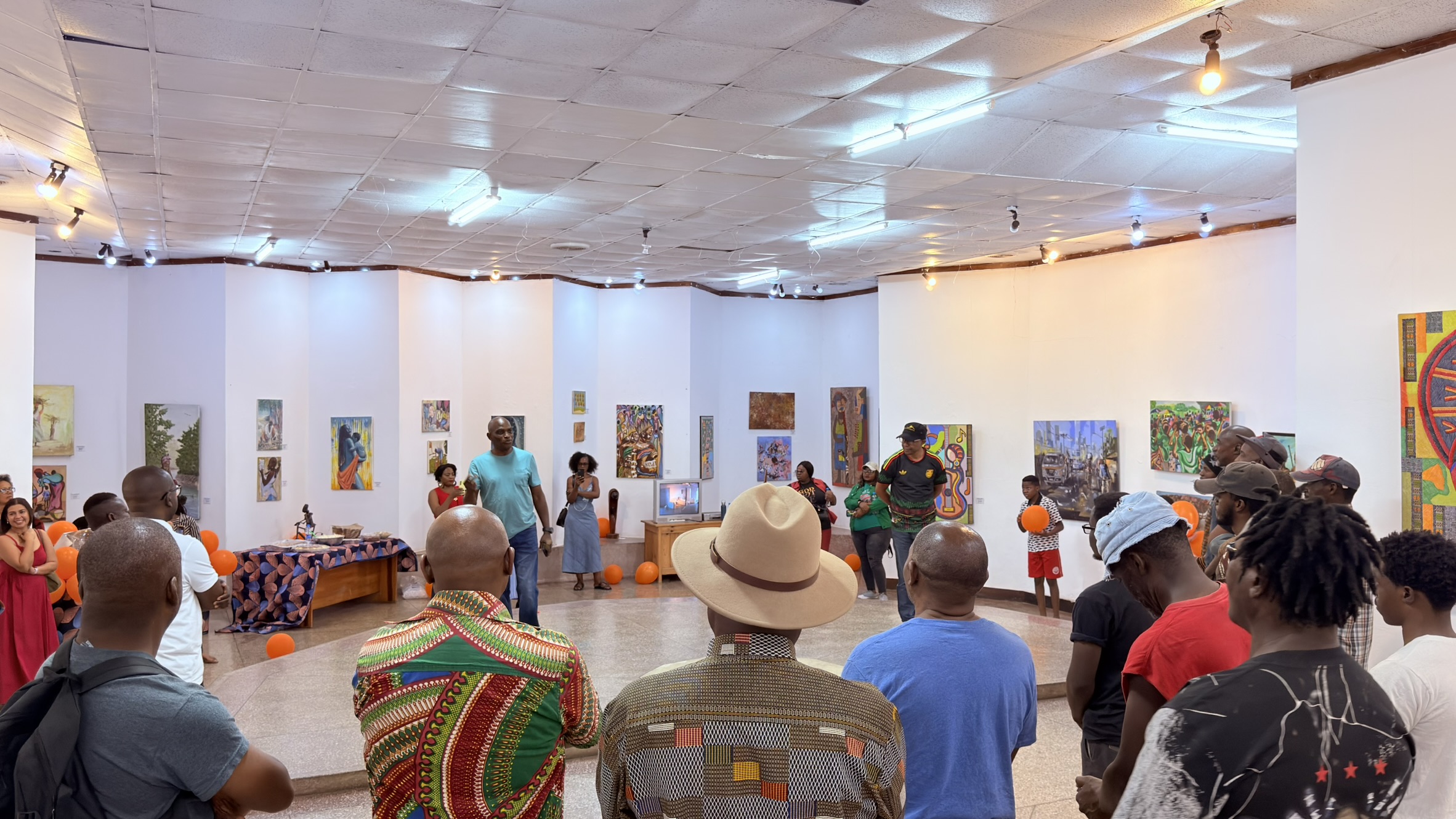
Today, the Arts Council stands at a crossroads. The arts seem to finally have a home within a dedicated ministry within the Government, yet much remains to be done. The sector needs stronger structures that expand exposure and access, permanent programs that refine the talent already out there, and deeper public engagement. Zambian cities can take a leaf from other vibrant African metropolises and make deliberate space for art through benches, installations, murals, and public works that invite people to pause and engage. And artists, in turn, need to keep offering ideas boldly, shaping the kind of public spaces that reflect who we are and who we’re becoming. A good starting point, I think, is documenting the talents we have who are still creating, still shaping culture, still pushing boundaries. They deserve support to produce work that engages the public. Initiatives like quarterly open studios, artist showcase events, and municipal public‑art proposals could help bridge the gaps.
Today, the Arts Council stands at a crossroads. The arts seem to finally have a home within a dedicated ministry within the Government, yet much remains to be done. The sector needs stronger structures that expand exposure and access, permanent programs that refine the talent already out there, and deeper public engagement. Zambian cities can take a leaf from other vibrant African metropolises and make deliberate space for art through benches, installations, murals, and public works that invite people to pause and engage. And artists, in turn, need to keep offering ideas boldly, shaping the kind of public spaces that reflect who we are and who we’re becoming. A good starting point, I think, is documenting the talents we have who are still creating, still shaping culture, still pushing boundaries. They deserve support to produce work that engages the public. Initiatives like quarterly open studios, artist showcase events, and municipal public‑art proposals could help bridge the gaps.
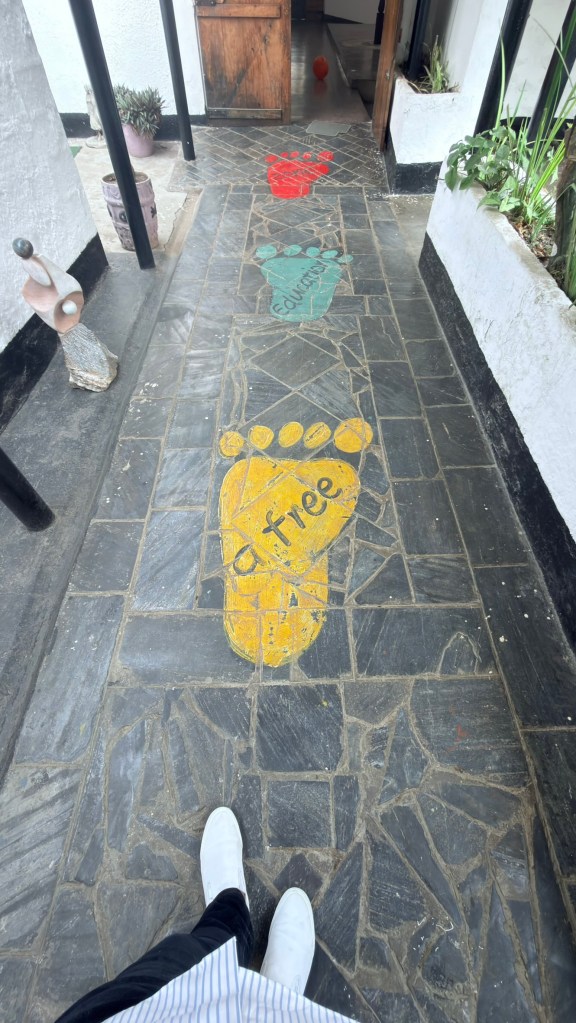
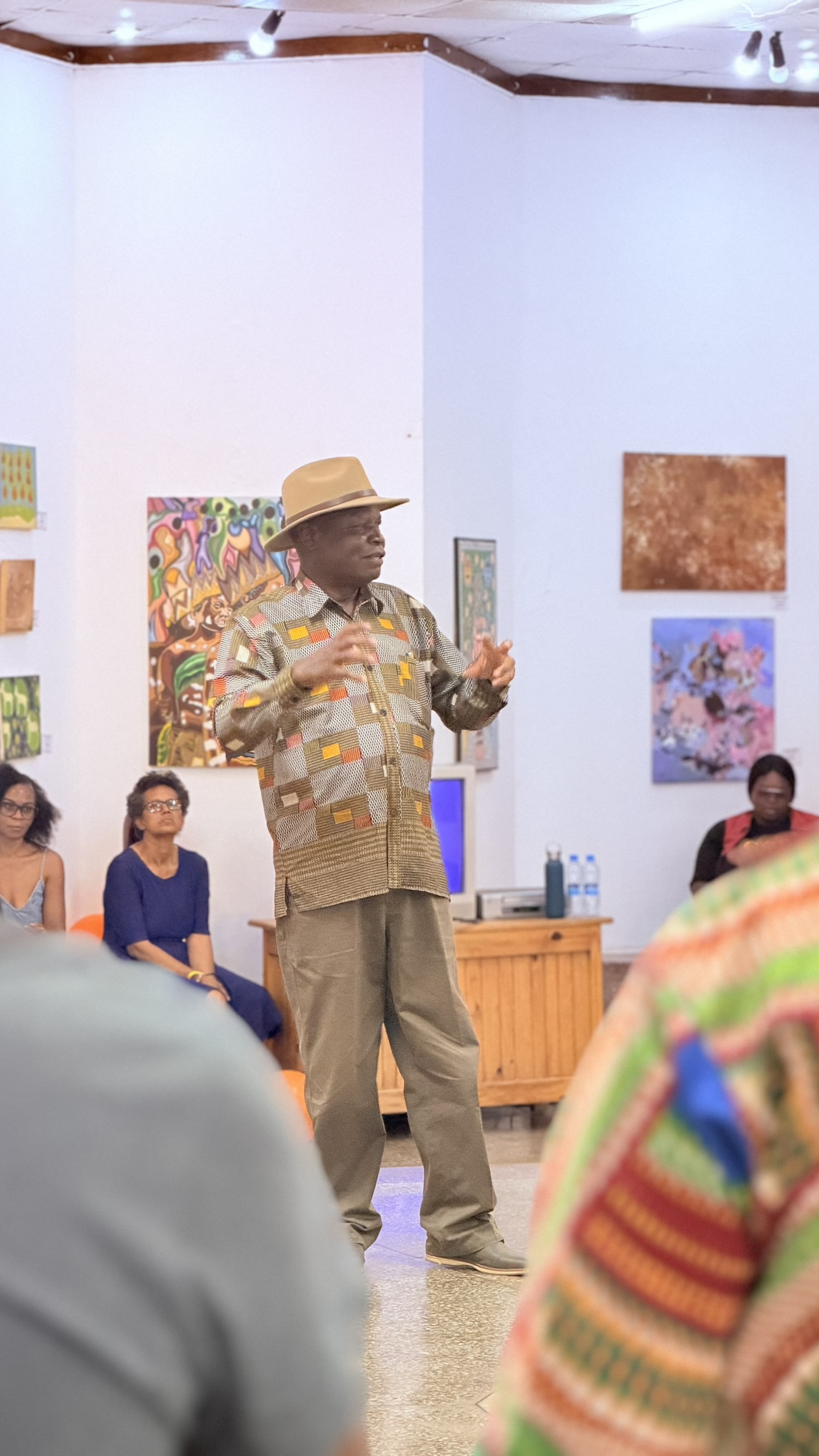
One speaker captured a simple truth: growth begins with individuals. When artists support one another through ideas, collaborative showcasing or simply showing up for the creative process and the milestone events, the entire ecosystem strengthens. The Council’s future depends on the growth of individual artists. When artists thrive, the institution thrives. When they stagnate, the ecosystem suffers. The call was clear: support one another, share ideas, speak openly, and build together.
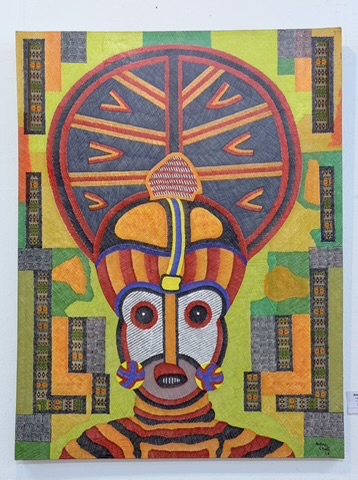
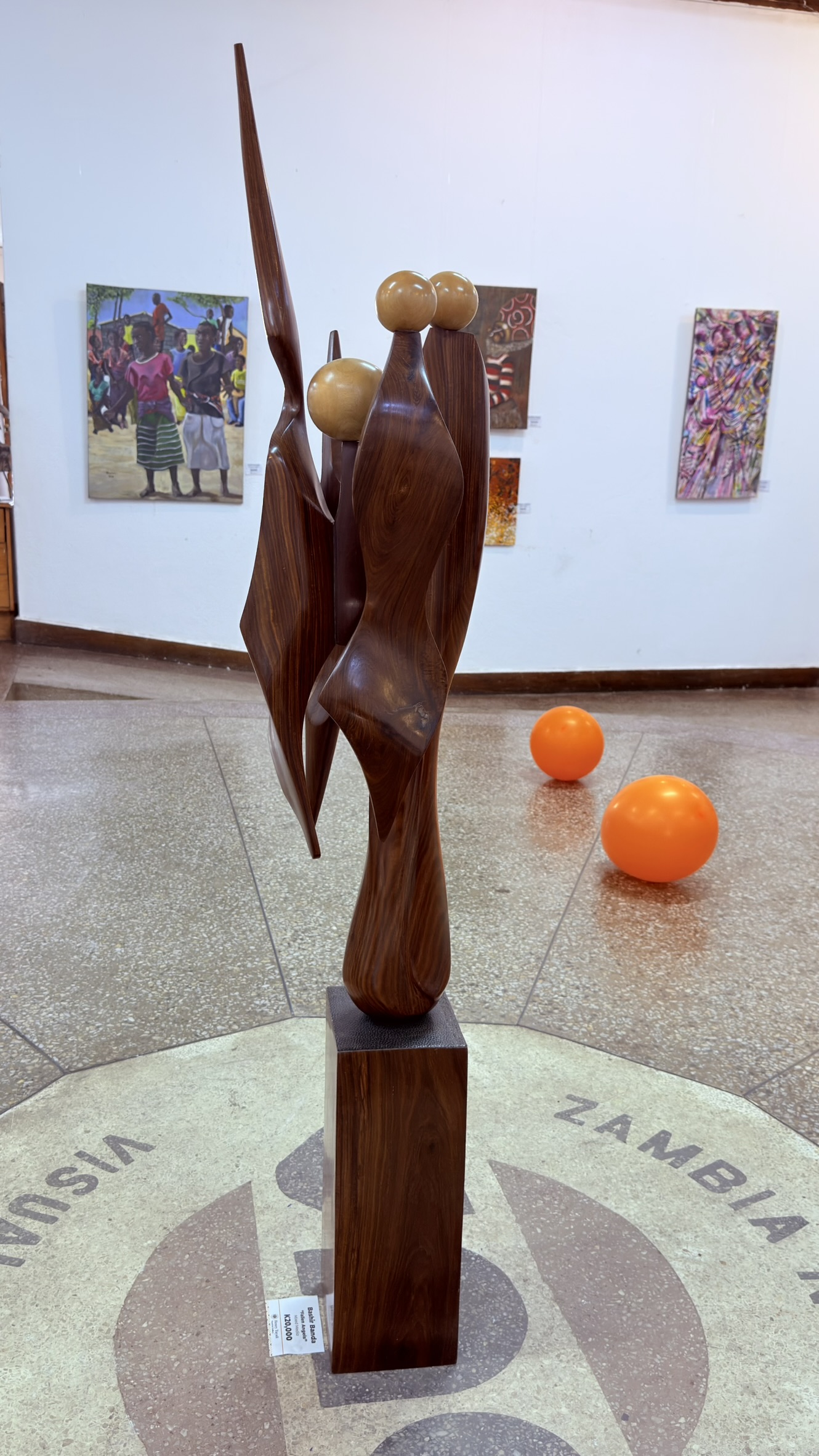
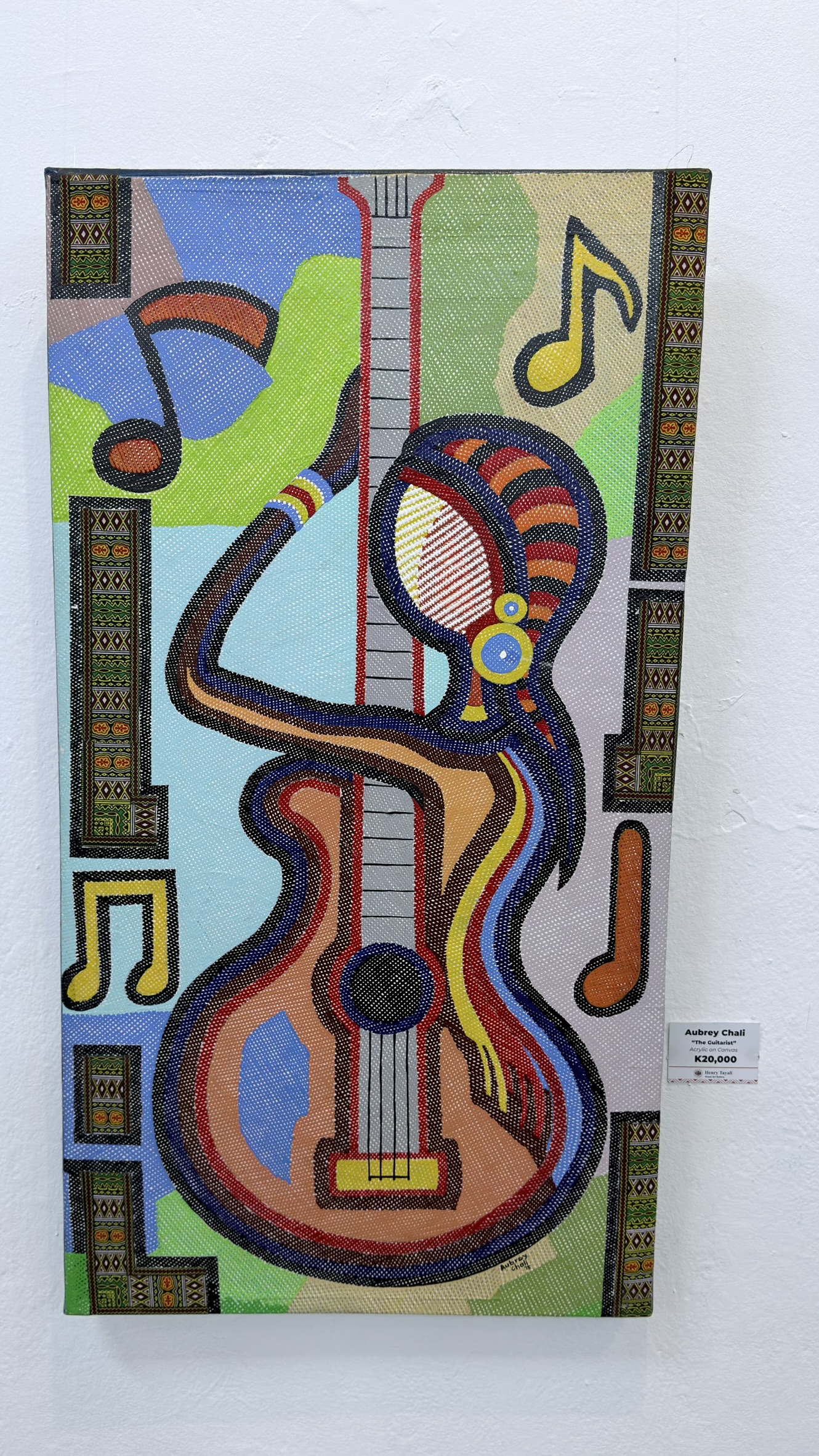
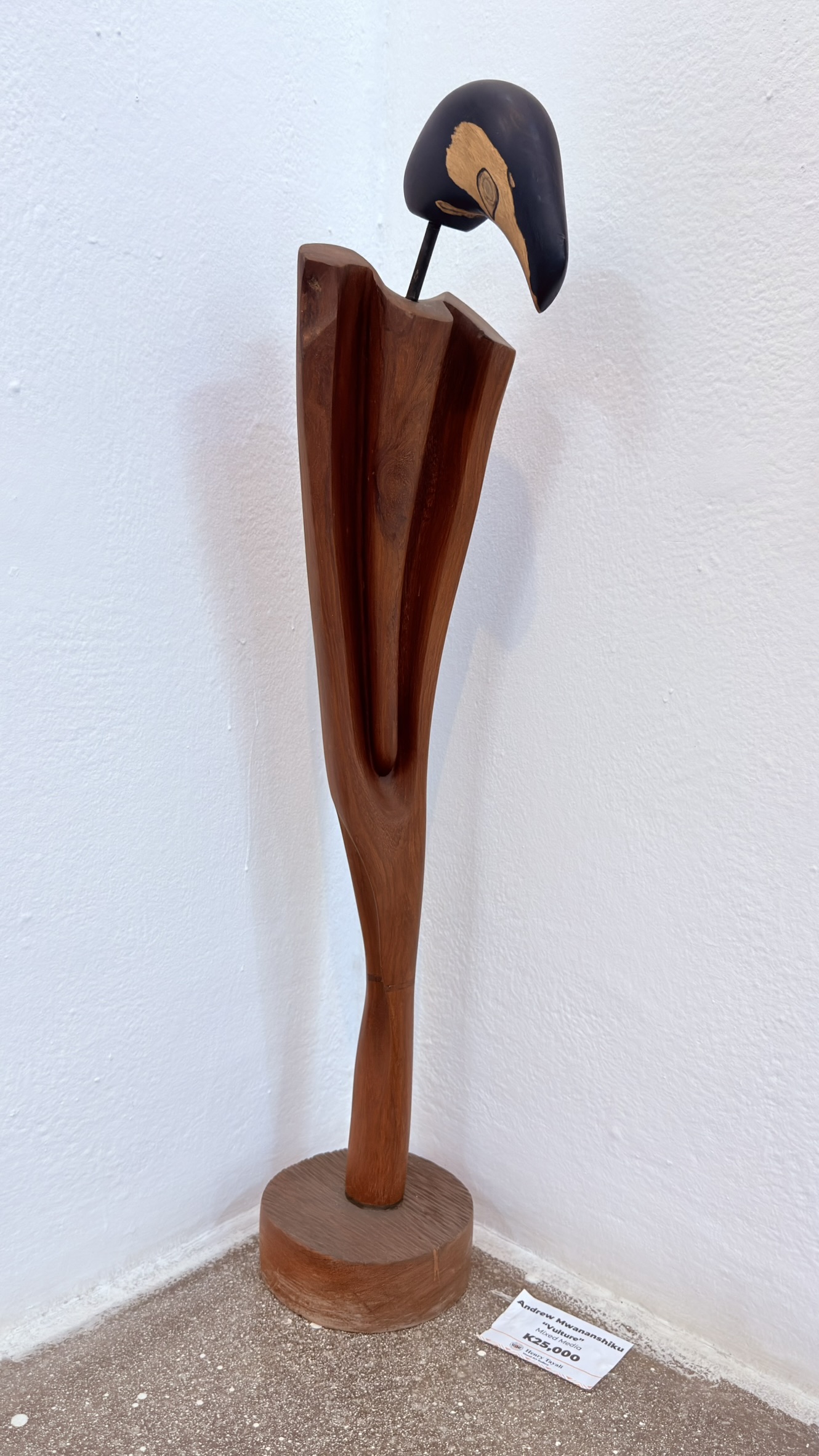
Thirty‑seven years is a long time, yet listening to the artists speak, it felt like the story is still unfolding and that anyone who cares about art, culture, or the soul of creativity should want to be part of what comes next. I have a renewed sense of purpose, to continue shining a light on all things art through my platform, to support the legacy of those who shaped this home, and to support the next generation so that creativity continues to flourish in Zambia for decades to come.



Leave a Reply