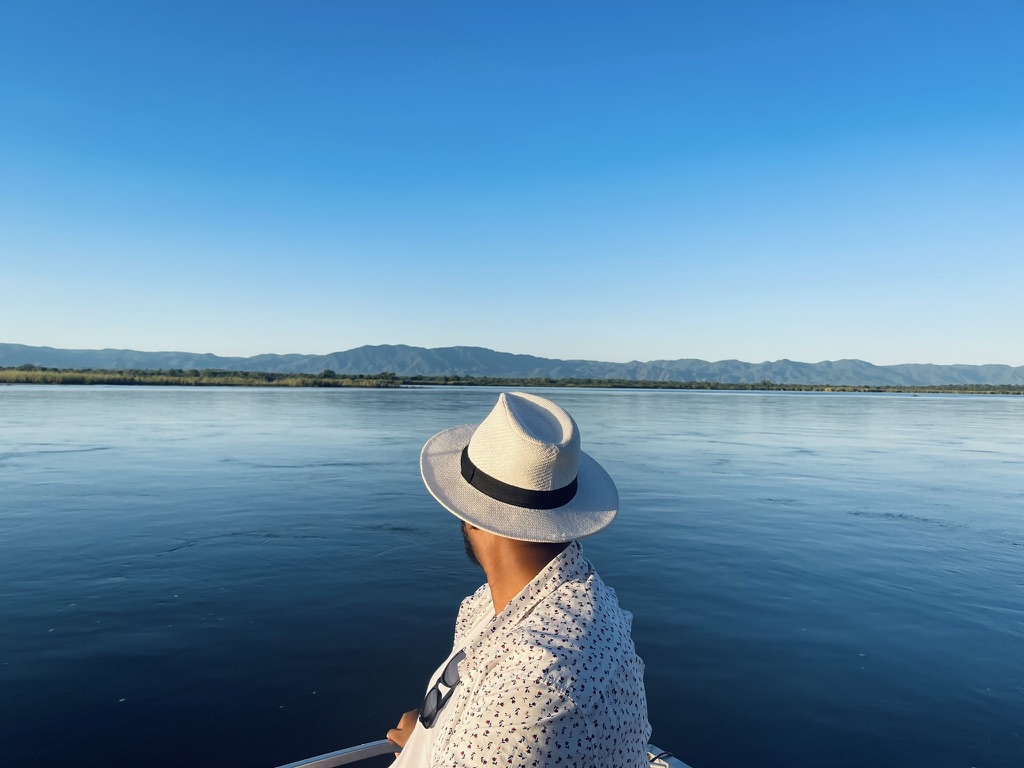
There are places that gently tug at your soul, whisper “stay a little longer,” and leave you plotting your return before you have even left. The Lower Zambezi valley is firmly in this category. A lush, sun‑kissed paradise tucked along the mighty Zambezi River, right where Zambia flirts with Zimbabwe before the river sashays into Mozambique and onward to the Indian Ocean. The Lower Zambezi valley is not just a destination, it is an experience. An adventurous reset wrapped in escarpments, wildlife and waterside experiences. And like all good things in life, getting there is half the joy.
Getting There
You can take a bus heading toward Zimbabwe via Chirundu and arrange a lodge pickup. But if you truly want to savour the journey, a self‑drive is the way to go. Trust me. There is something liberating about driving at your own pace, windows down, playlist on point, stopping whenever the spirit (or a good photo opportunity) moves you. The 4–5 hour drive from Lusaka is a scenic from the moment you glide past the Kafue River basin to the ascent up the winding Zambezi Escarpment, a dramatic rise and fall of ancient rock that folds into the horizon like a giant’s rumpled duvet. Every turn reveals sweeping valleys, stoic baobabs standing like wise old sentinels, and skies so wide they make you feel like you are definitely part of something bigger. This is the kind of drive where you keep reaching for your camera even though you know deep down, that no lens can truly capture the grandeur but you try anyway, because hope springs eternal.
Roadside Delights: Goat Meat, Matumbo & Time Travel
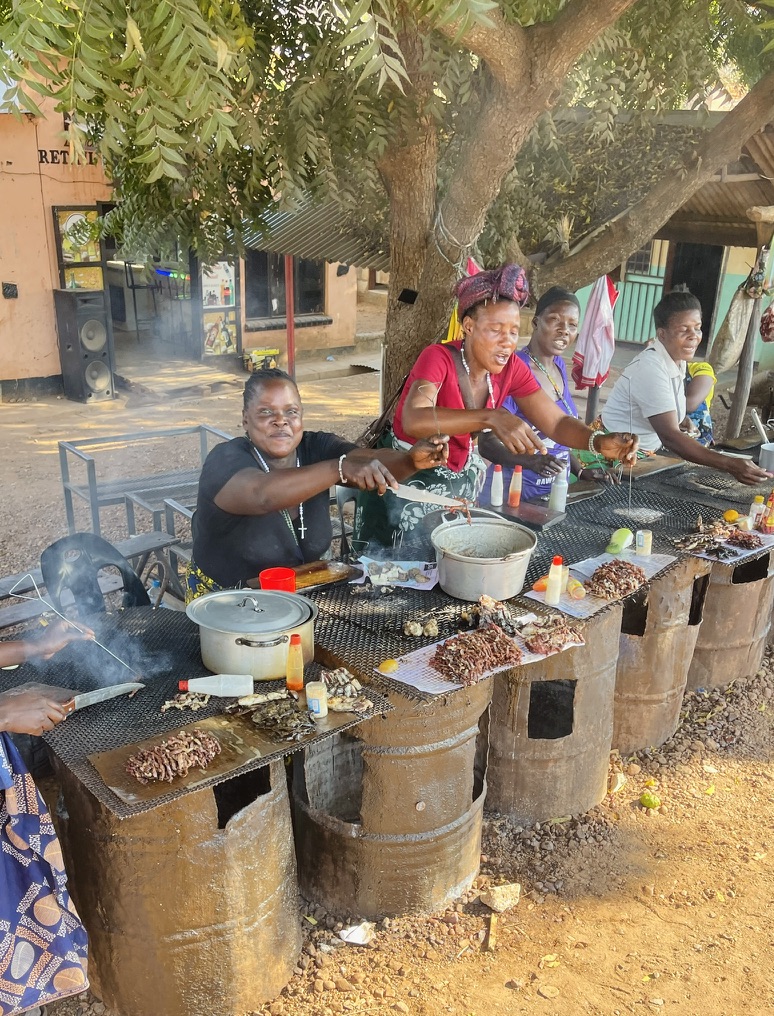
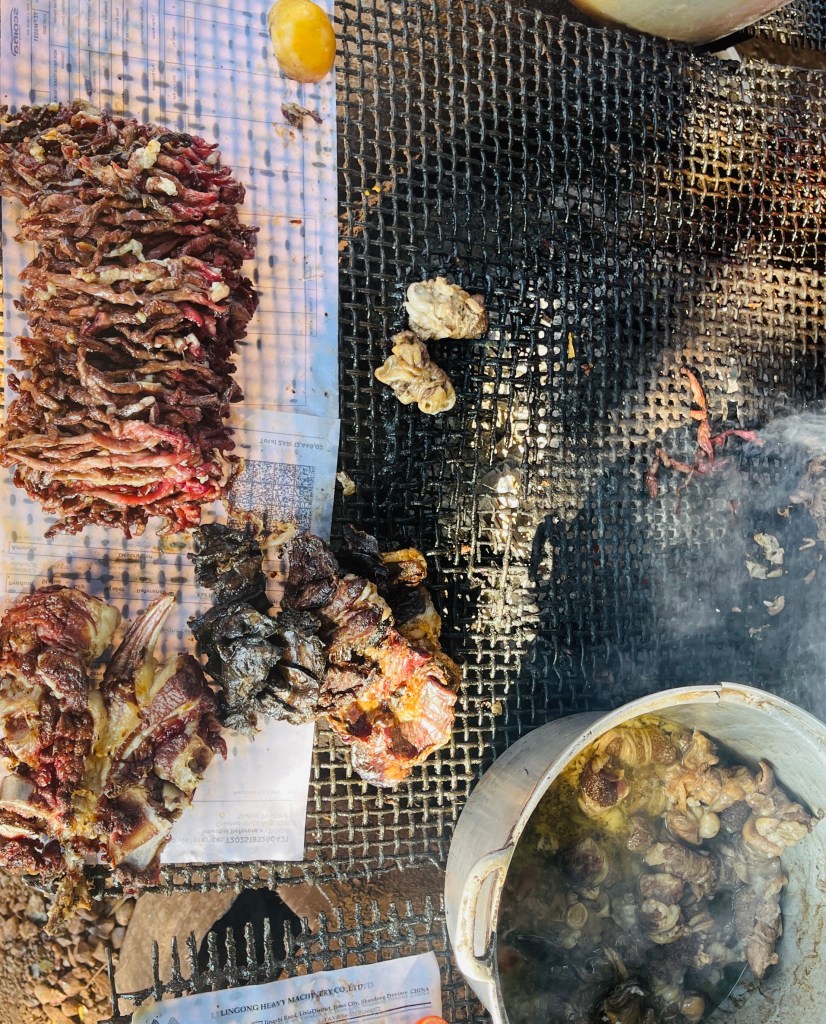
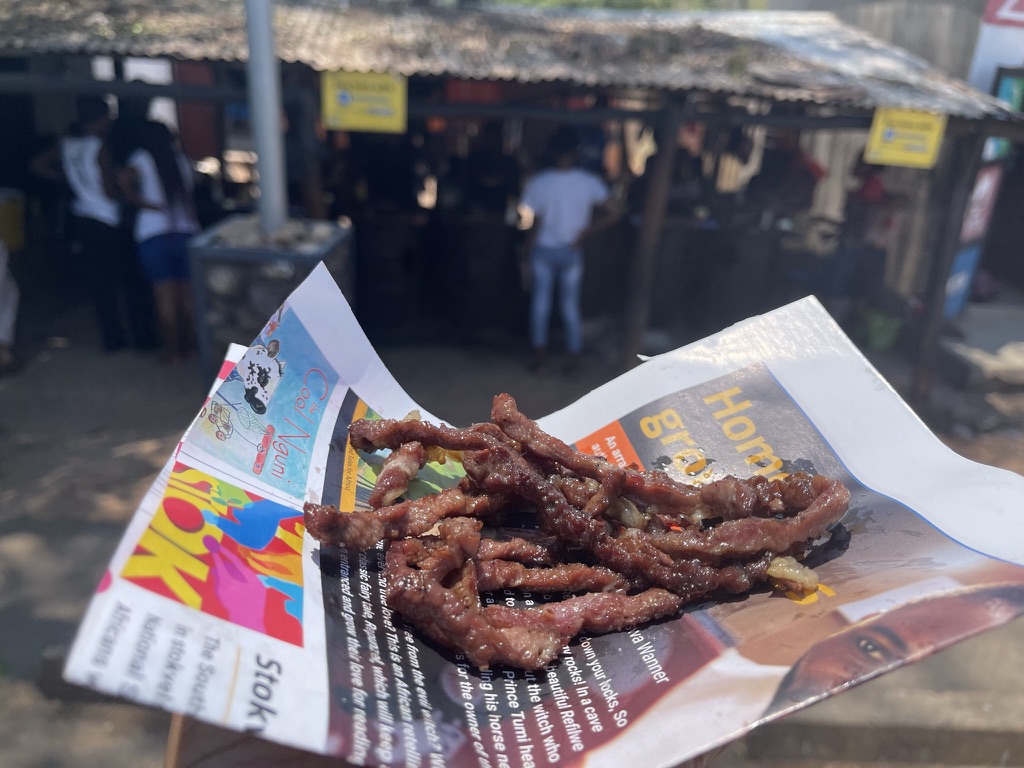
One of my recommended non‑negotiable stops on the way to the Lower Zambezi is the Siavonga turnoff, where roadside vendors serve soft and smoky goat meat skewers. It is such a tasty right road snack after a scenic descent into the Valley plus, if you add a side of amatumbo (tripe / intestines) that are surprisingly clean, tender, and flavourful, you would be tasting the essence of rural Zambia.
Further along, just before Chirundu, lies a hidden gem, the Chirundu Fossil Forest. A few metres off the highway, this ancient site is home to petrified tree trunks fossilised millions of years ago. Walking among these stone trees feels like stepping into a prehistoric time capsule. Plus, if you are up for it, there is a small curio shed nearby that also sells simple wooden crafts and household trinkets that are simple, well made and proudly local.
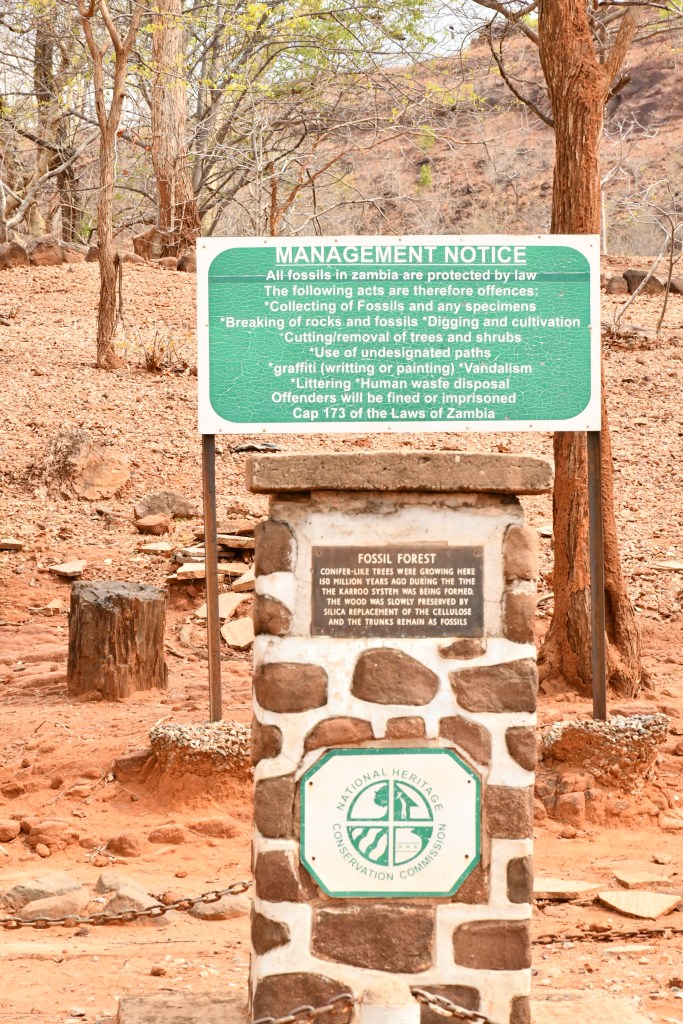
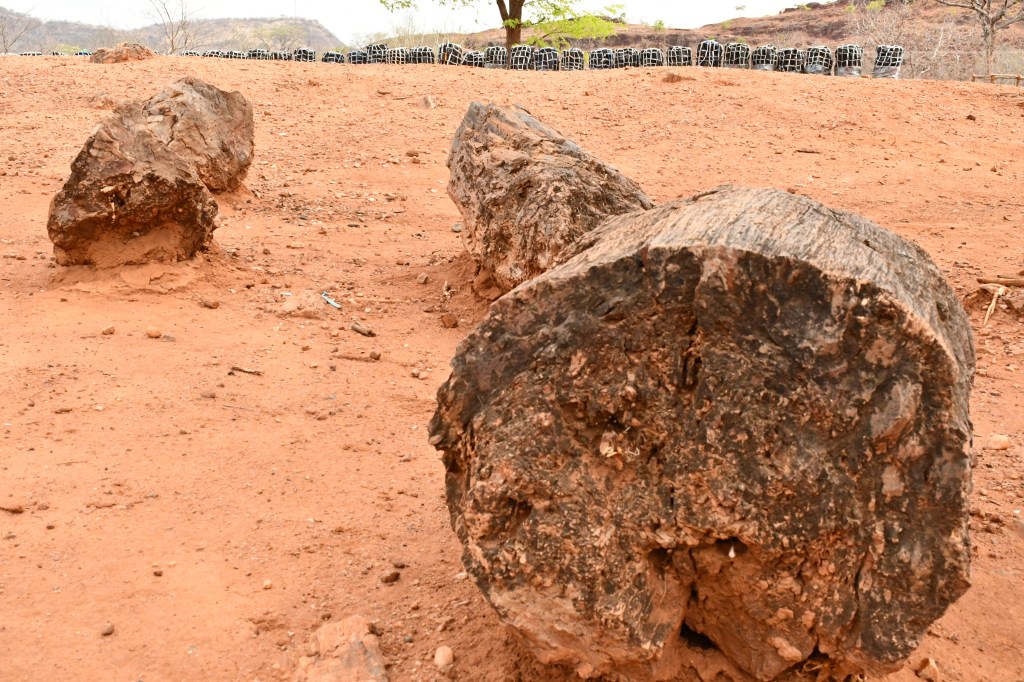
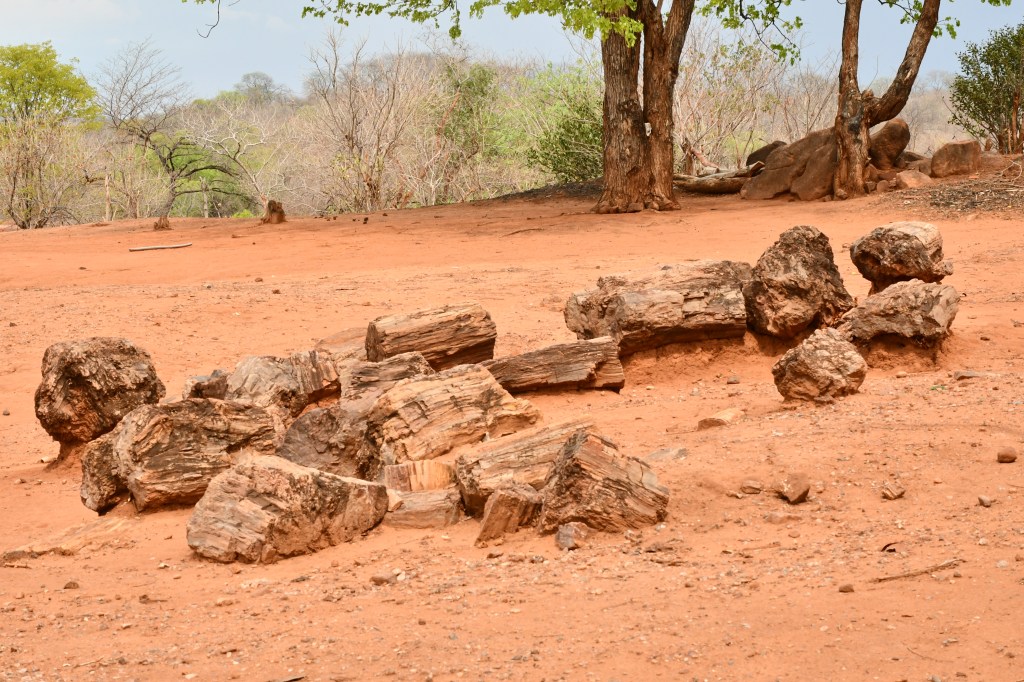
Having left the Fossil Forest, you will reach Chirundu town and make a left turn at Chirundu Mall / Shoprite where the tar road politely bows out and hands over to a gravel track that leads to the Bridge over the Kafue River, yes the same Kafue River you passed when leaving Lusaka.
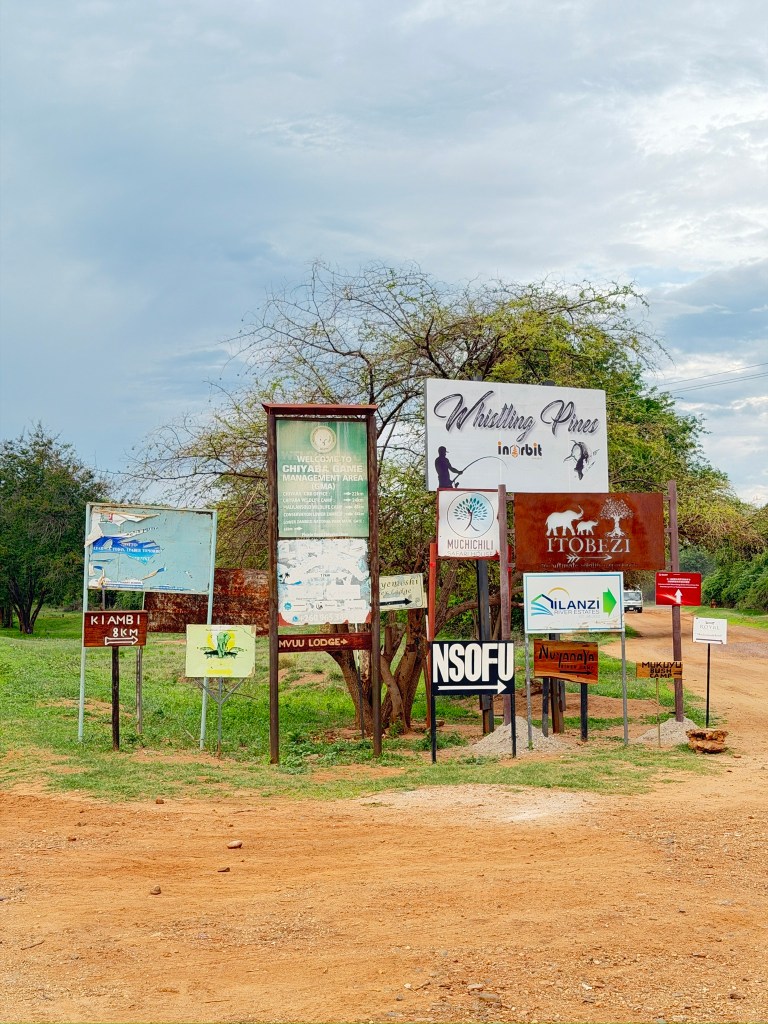
Once you pass the bridge, when you see the Chiyaba Game Management Area signage, know that you are crossing the threshold into Zambia’s lush, untamed paradise, and this is where the adventure officially begins.
What to Do: The Art of Doing Very Little, Very Well
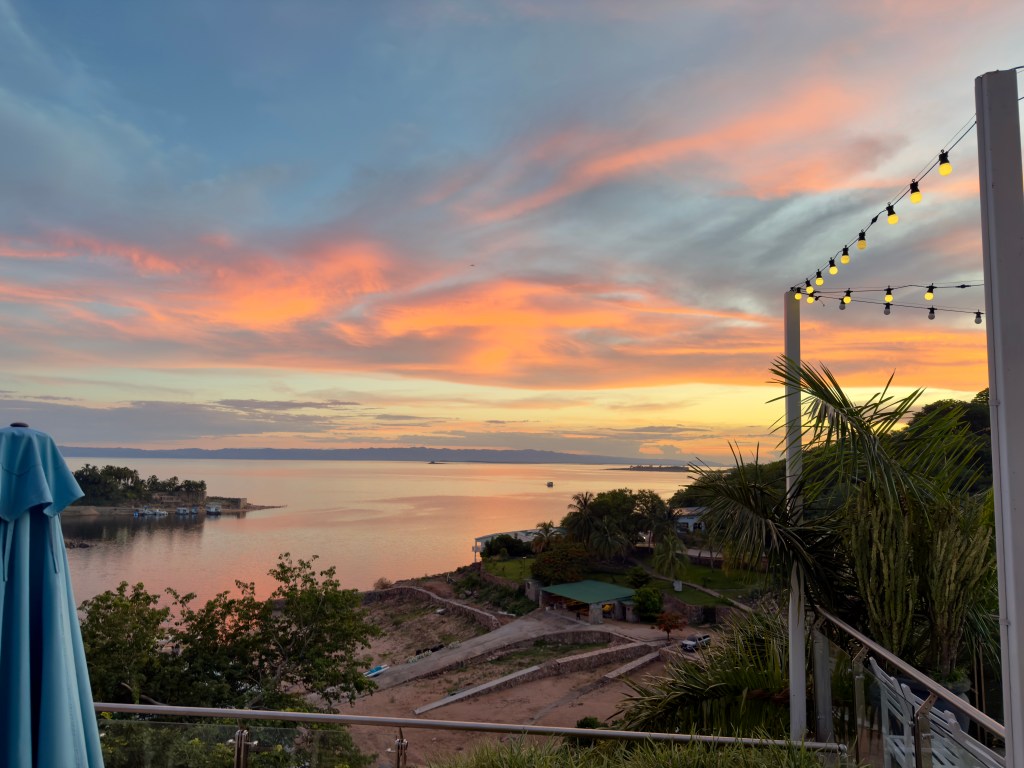
Lower Zambezi is a “slow down, breathe and let nature do the talking” kind of destination. With so few visitors around at the time of my travel, it felt like I had the entire lodge to myself, almost like a private Eden.
Speaking of lodges, there are several affordable options like Gwabi Lodge, Nsofu Lodge, Kiambi Lodge, Shayamoya Fishing & Safari Lodge and Winterthorn Lodge and Breezes Lodge all within the vicinity of the Chiyaba Game Management Area signage as you enter the GMA. There are also several other options further into the park
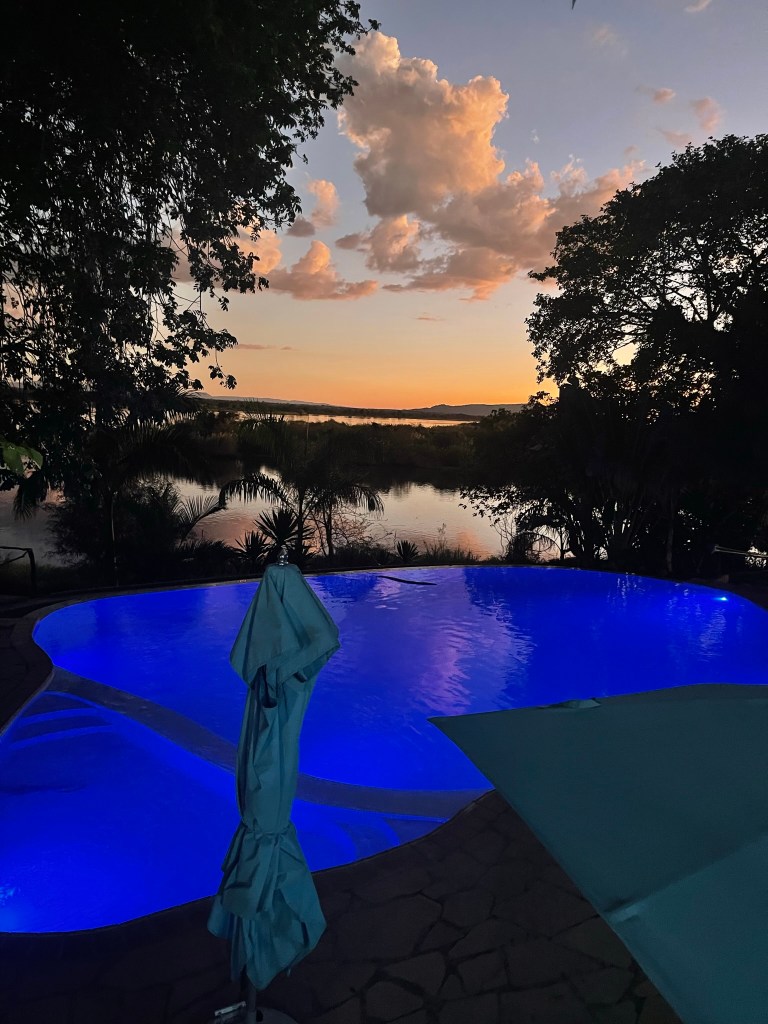
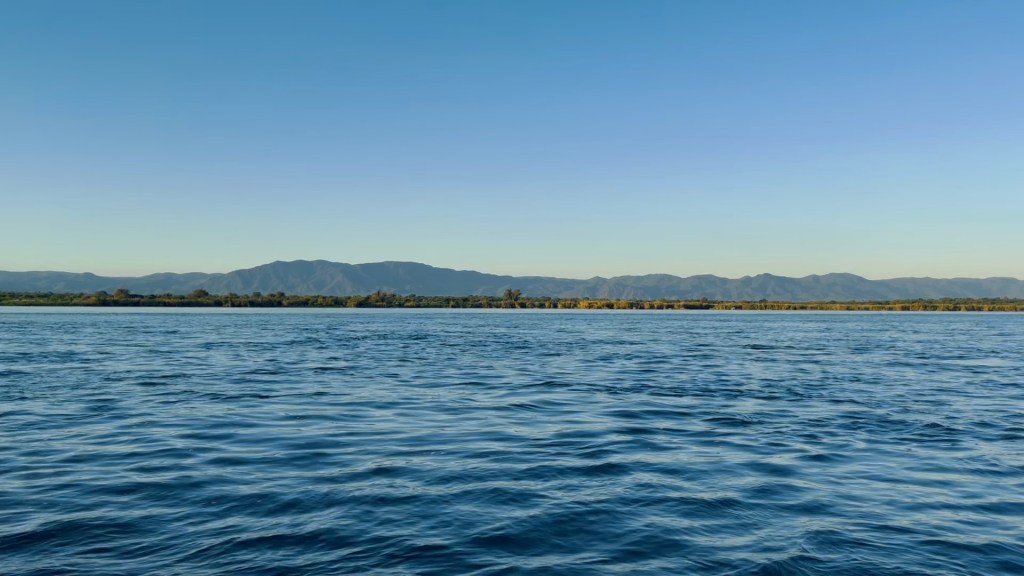
A simple rest in or around the pool overlooking the Zambezi River that is riddled with hippos grunting away as you sip on some chilled bevvies, is one way to truly settle in. However, there are several other things you could experience in the valley if you are up more a little adventure.
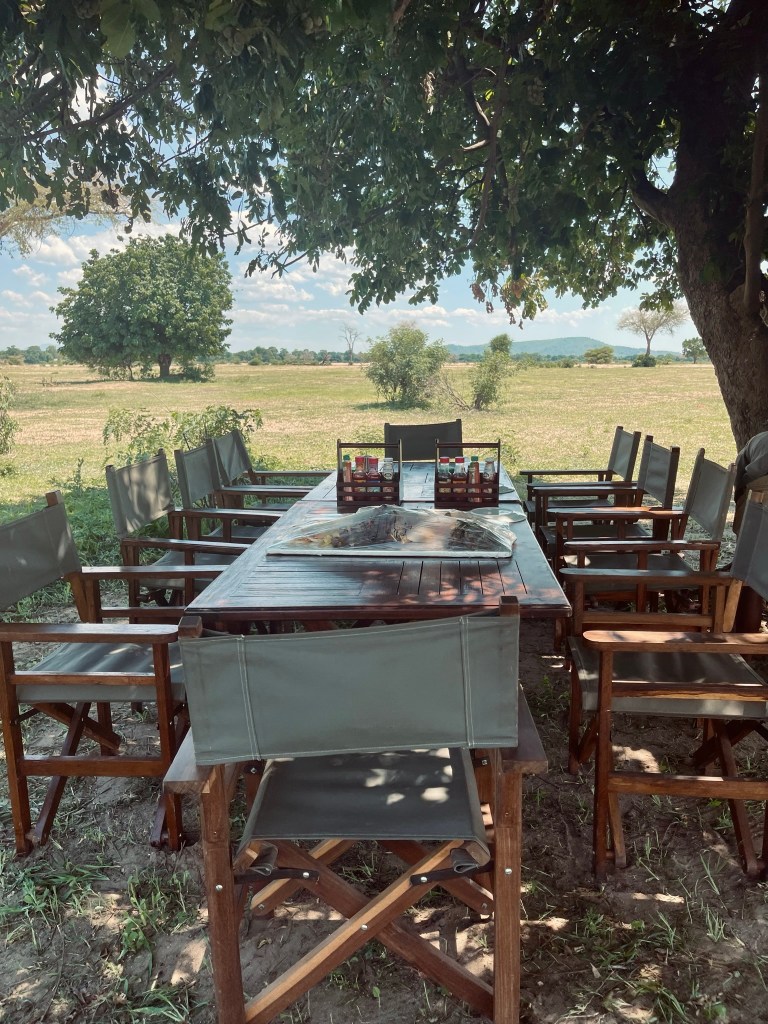
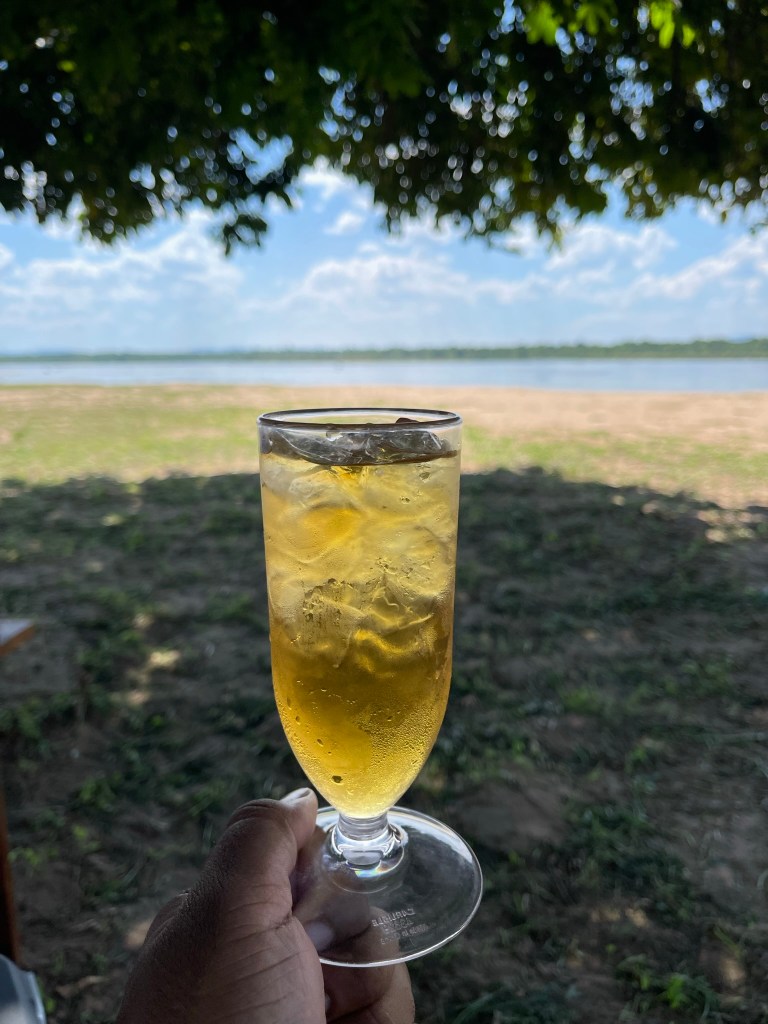
One of the most easy going experiences is the sandbank lunch, a signature offering by most lodges in the valley where you have a table set on a tiny island in the middle of the Zambezi, shaded by a canopy, with finger snacks and endless bubbly, a gentle breeze, and wildlife casually strolling or splashing nearby. Just remember your sunscreen and lightweight clothing. The valley heat does not play when the sun is out.
If fishing is your thing, you can hire a rod and try your luck with the river’s famous tiger fish. I have not personally tried it as my visits normally fall during the fish ban season (December to March), when the river is left to replenish.
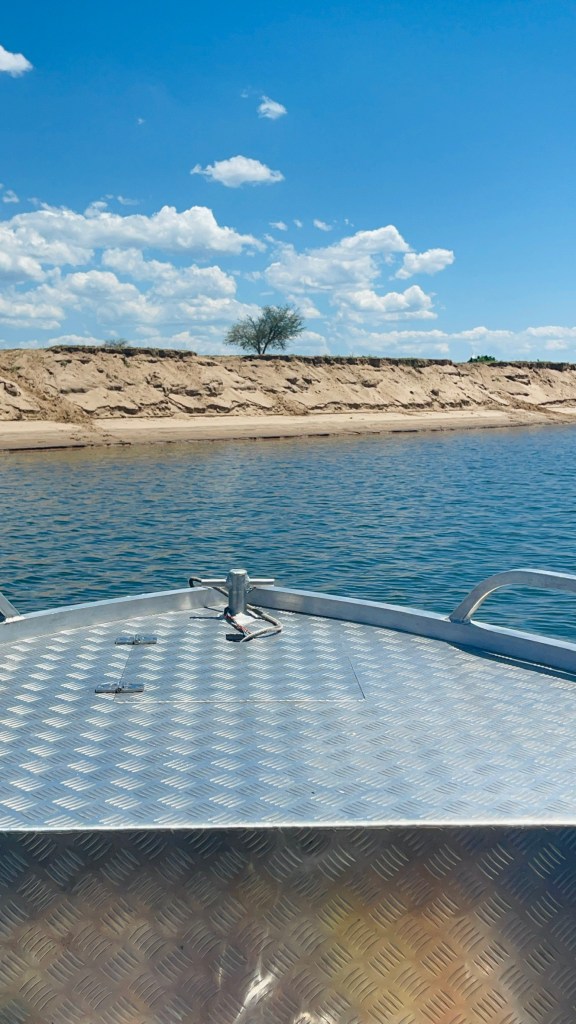
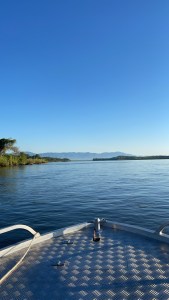
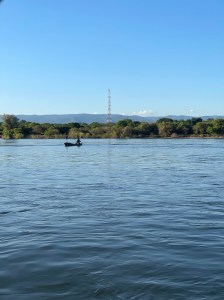
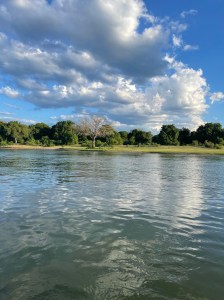
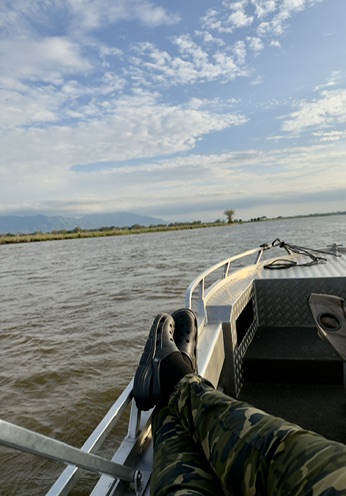
Afternoon river safaris are another must. This activity allows you to glide past islands dotted along the river, with floodplains stretching out and escarpments rising dramatically in the background. As you sail along the Zambezi the scenery shifts across forests, banana plantations and plains like a slow‑moving slideshow curated by Mother Nature herself. Wildlife is everywhere and you also get a glimpse of the lodges lining the riverbanks, each one tucked into its own little pocket of this paradise.
Into the Park: Where the Wild’r Things Are
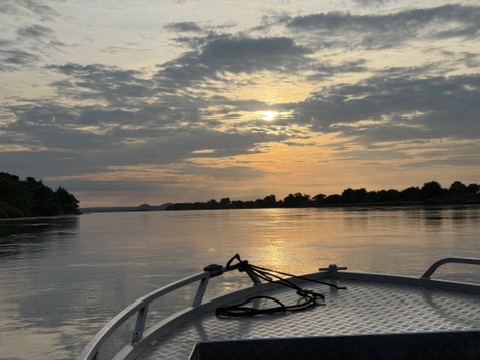
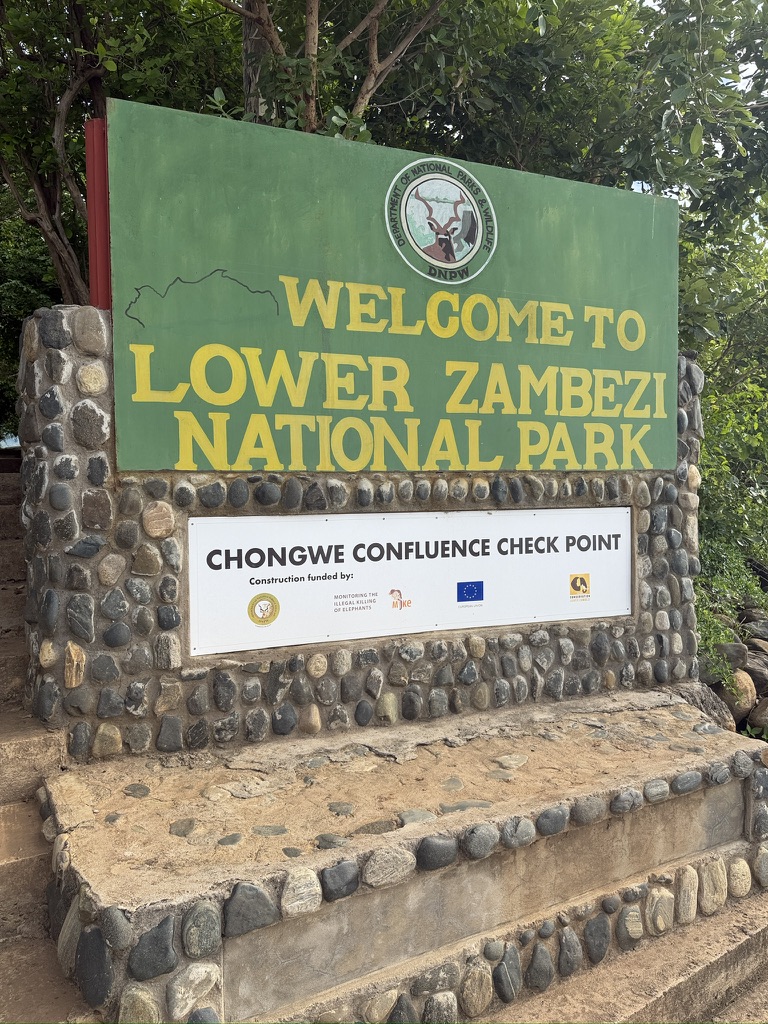
To enter the actual national park, you can either drive (3–4 hours) or take a boat (1 hour). I always choose the boat option as I find it more scenic, convenient and less physically demanding. Plus, the views of the Zambezi escarpment from the water are simply unmatched. The Chongwe Confluence Checkpoint is the main entry point for boat arrivals. From here, you hop onto your safari vehicle and the real adventure begins.
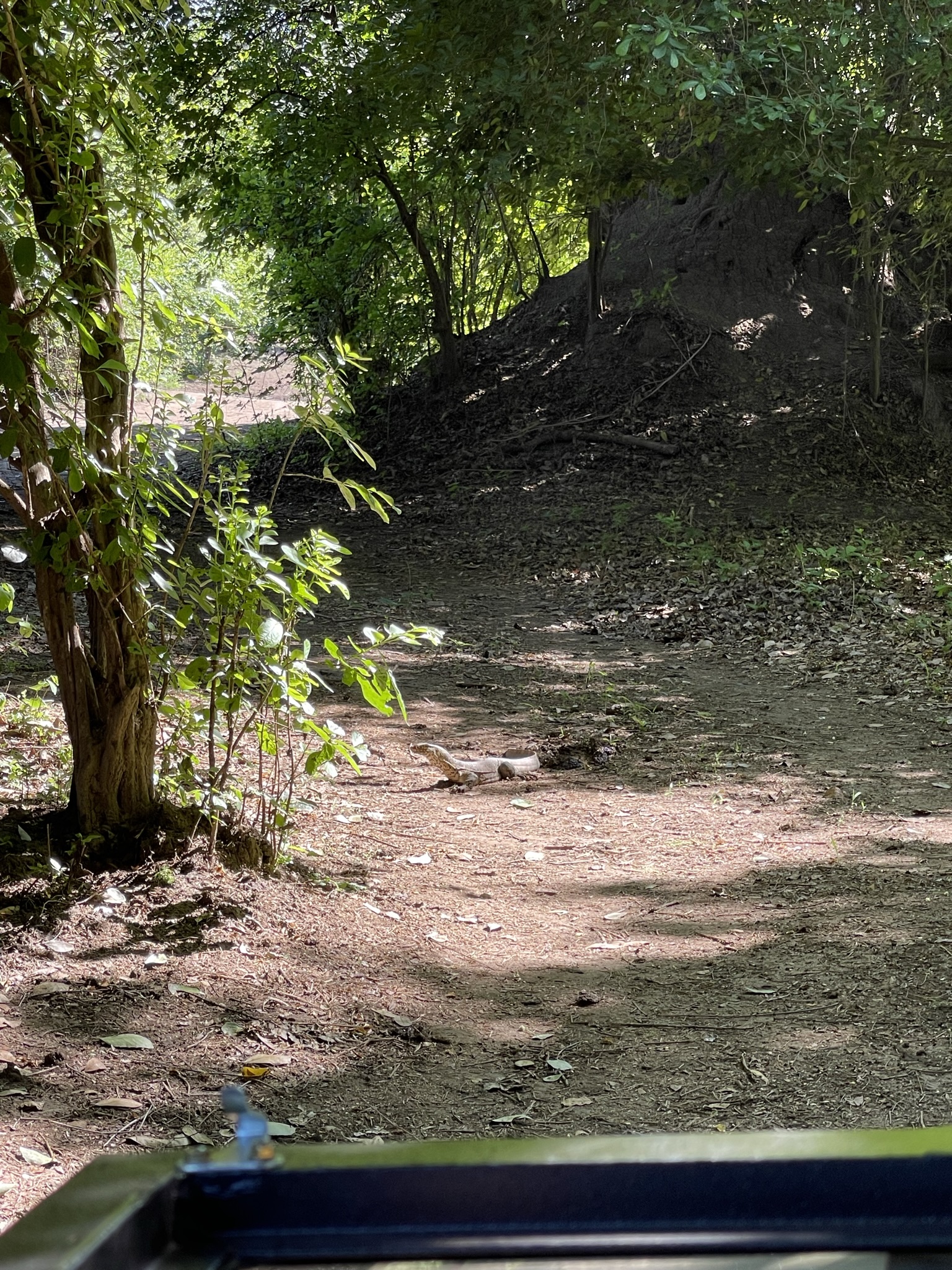
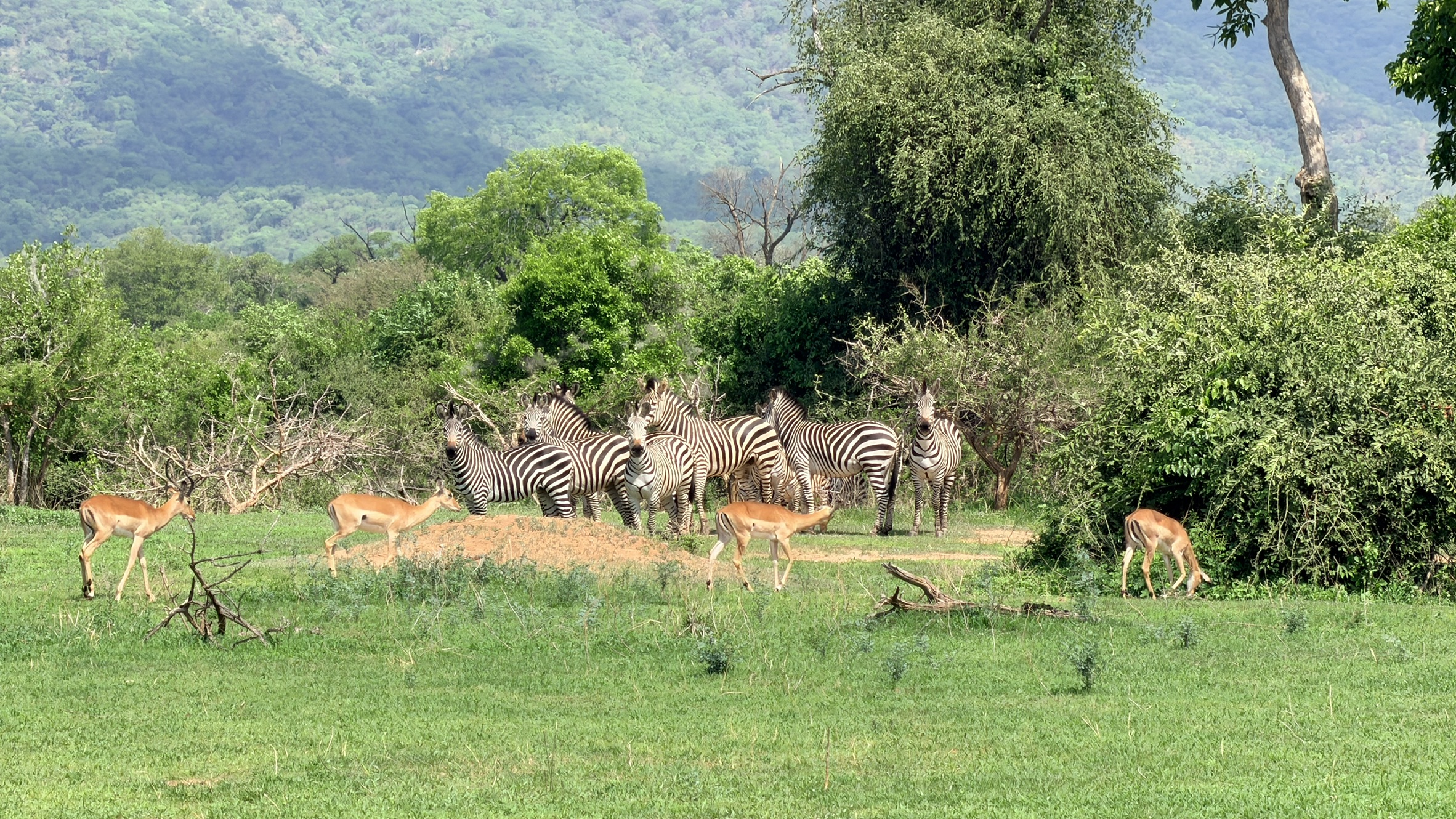
Game drives in Lower Zambezi are a sensory feast. On my recent trip, we encountered a herd of about 500+ buffalo, a moving, snorting, dust‑kicking sea of muscle and attitude; several herds of elephants, majestic and mildly territorial, herds of Zebra and antelope; Hippos galore and to my delight, sounder of warthogs trotting like they owned the place.
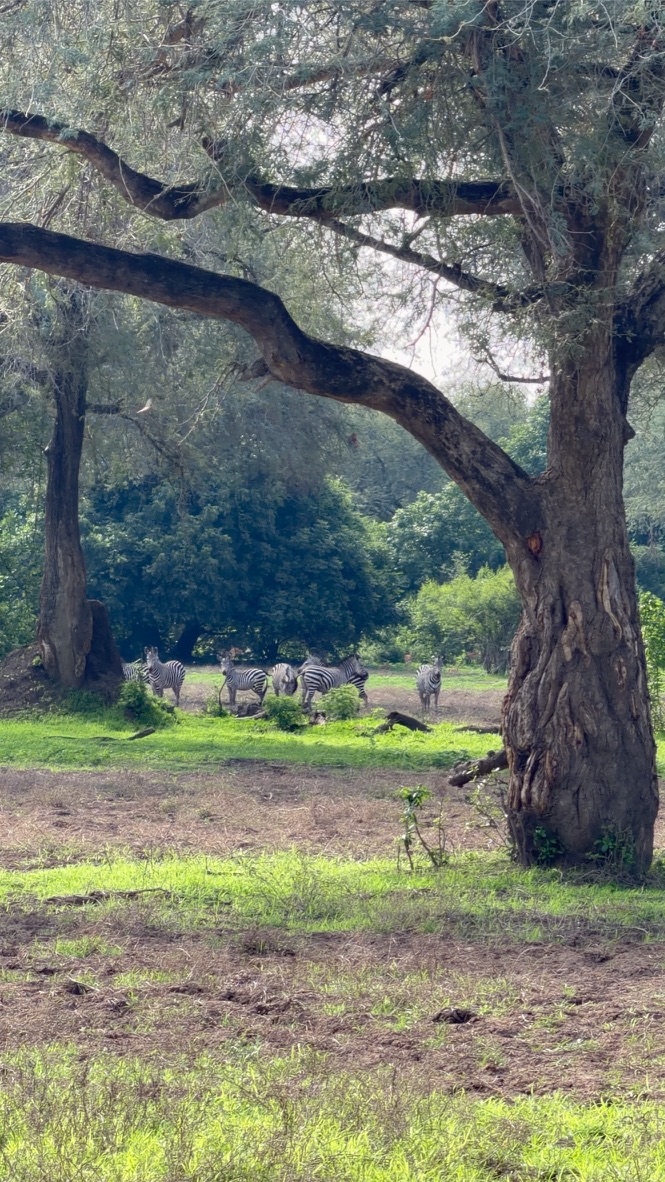
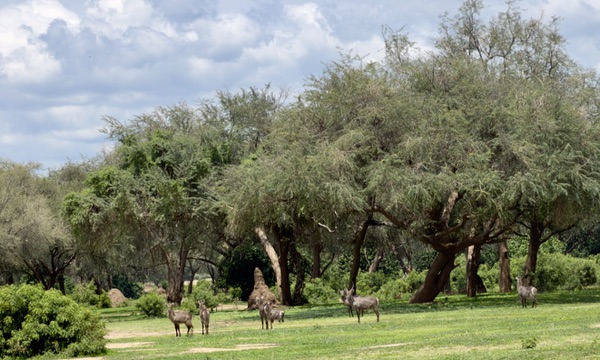
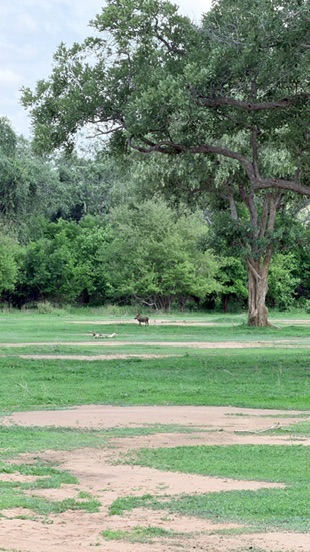
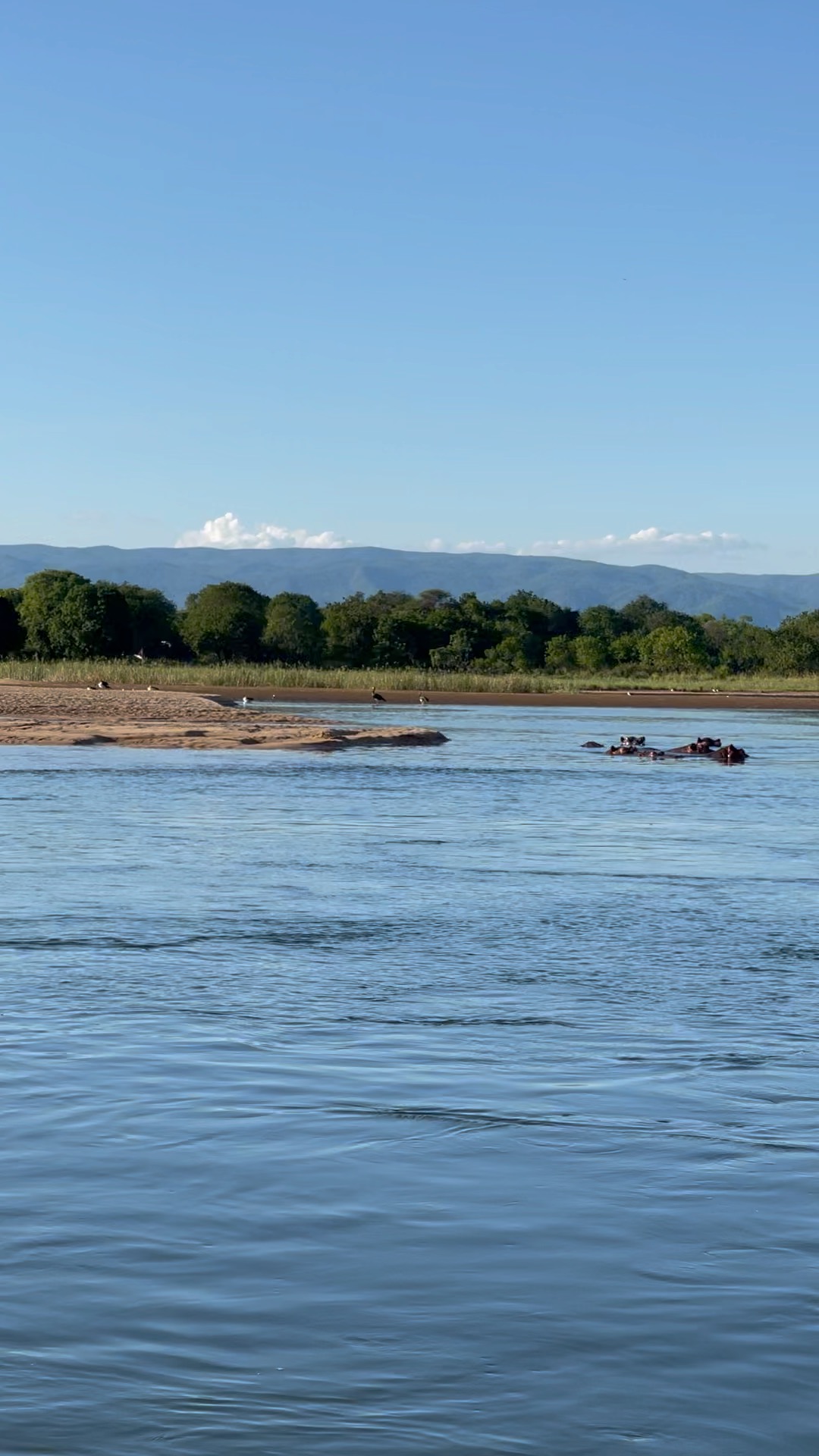
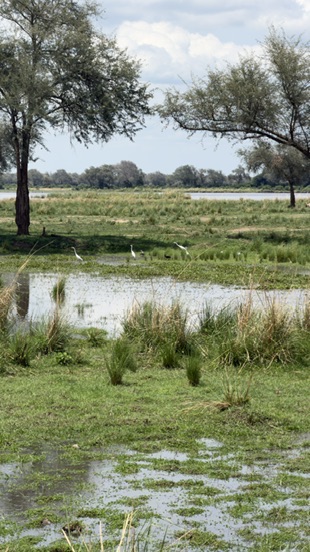
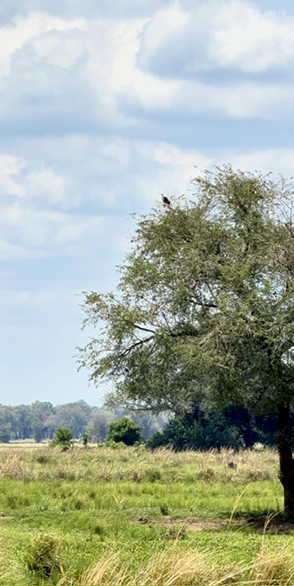
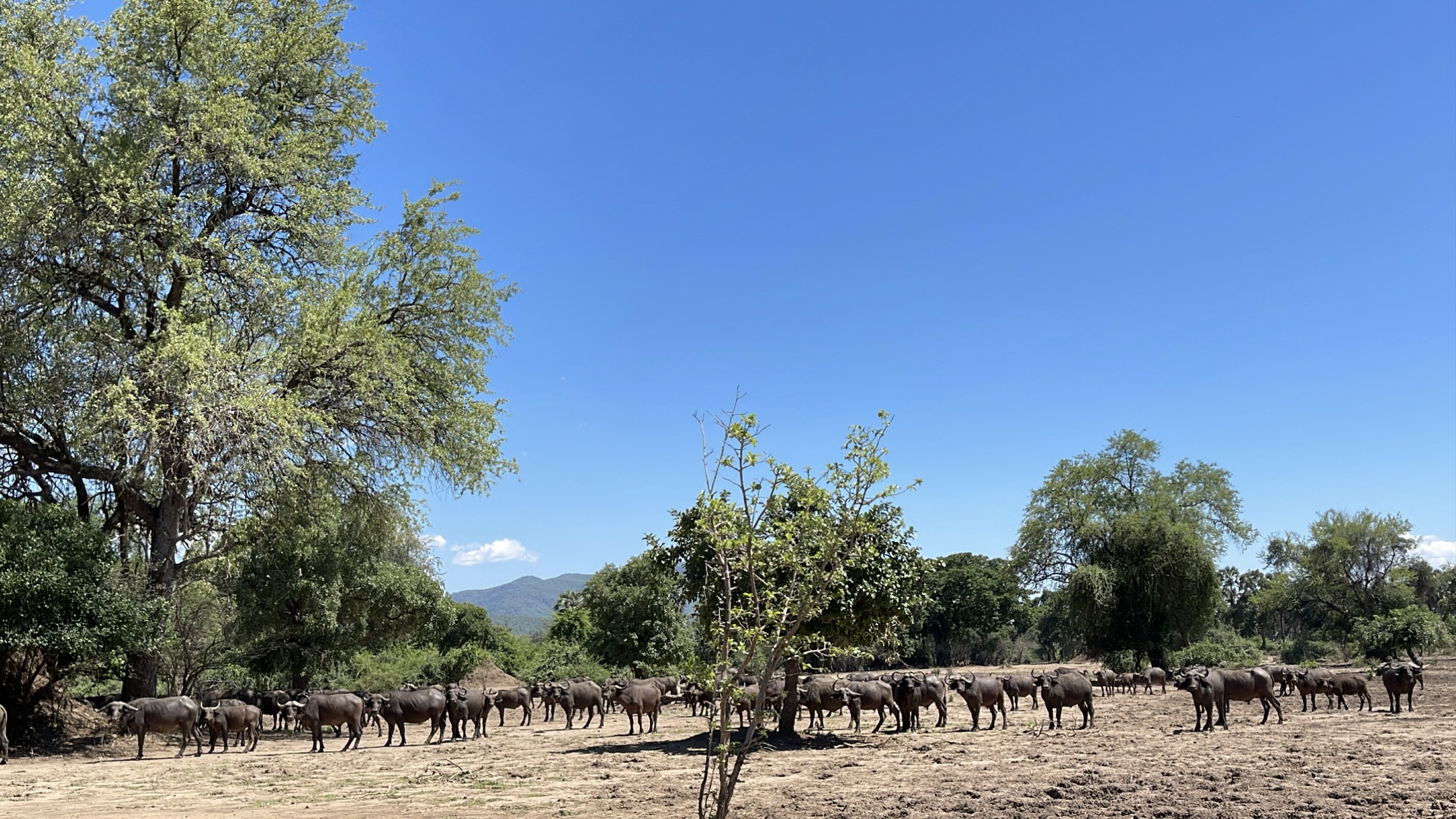
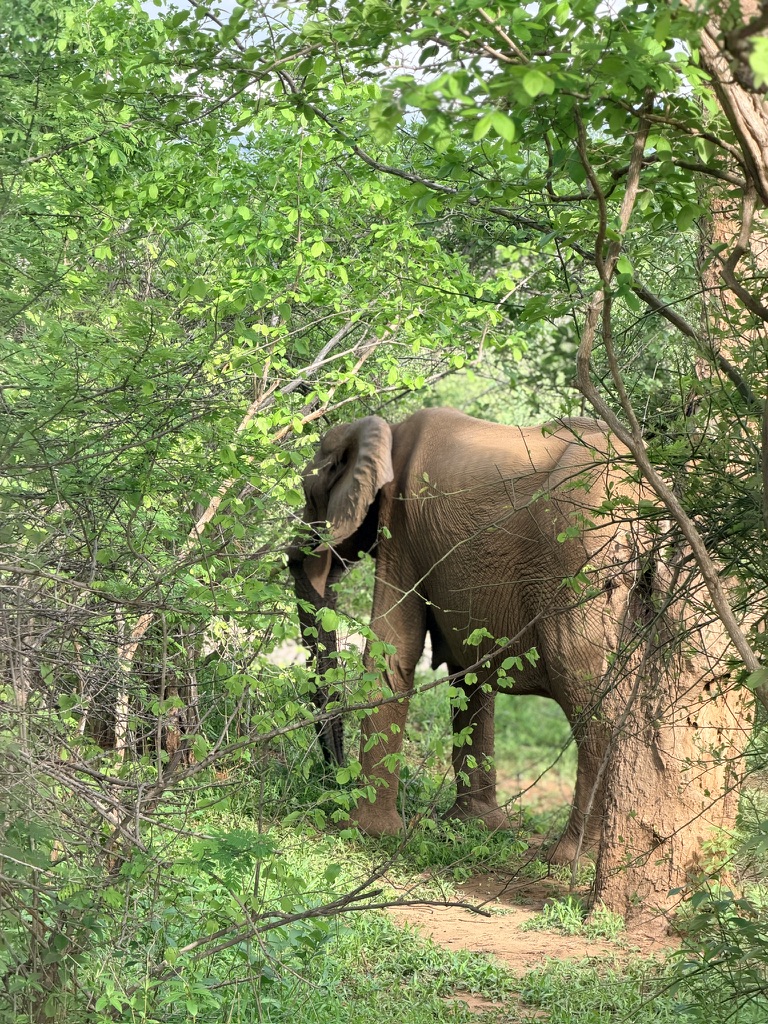
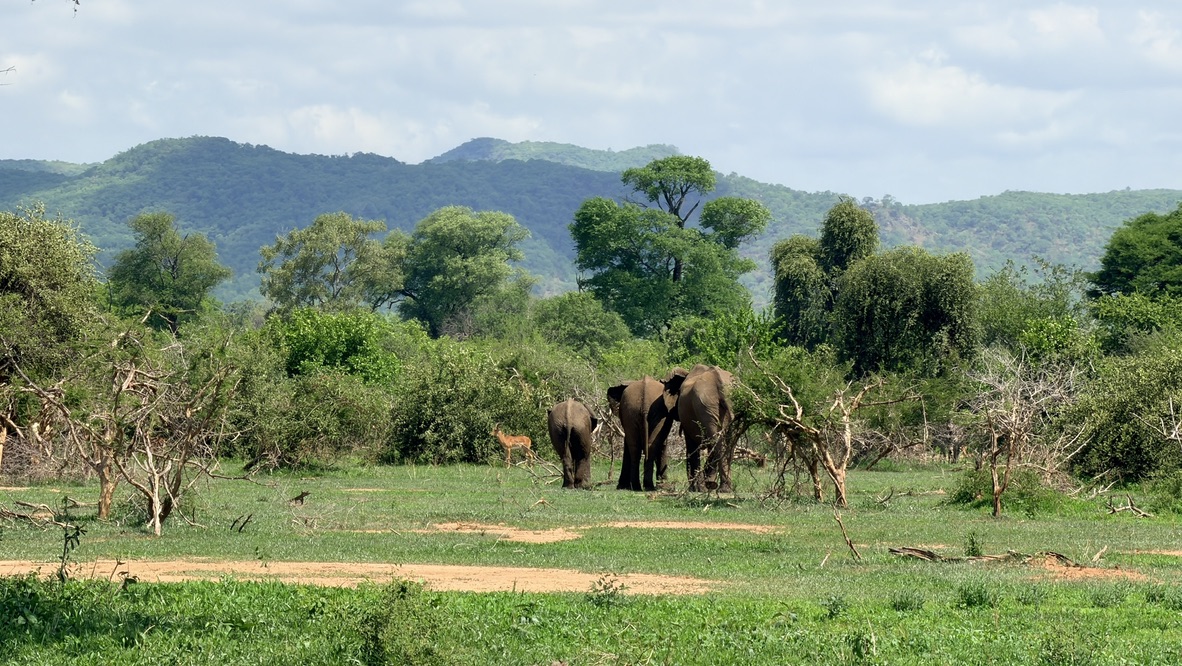
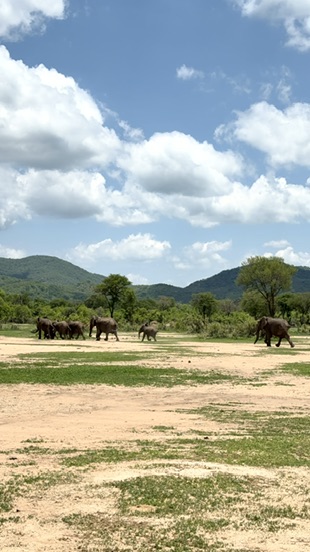
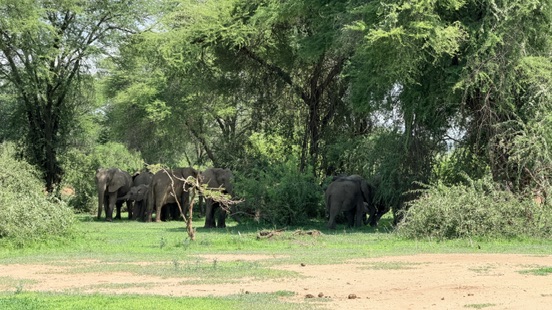
Now, let me tell you about the moment the valley decided to test my character. I visited at the onset of the emerald season hoping to chance that delicate window after the first rains when the landscape turns green but the roads in the park can plot against you. I knew we were tempting fate and fate did not disappoint.
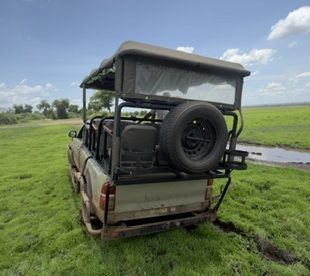
We got stuck. Properly stuck. The kind of stuck where the vehicle sinks into marshy ground and refuses to budge. To make matters worse, our vehicle lacked the essentials: 4WD, a shovel, a jack, rope, and a radio. A safari without these is risky business. But I’m not one to shy away from a challenge and adventure. So there I was, dress‑down mode activated, wading into the marsh to push the van toward dry land, which was literally two metres away. Two metres! The sun was blazing, the mud was unforgiving, and my dignity was negotiating its exit.
We tried every trick I remembered from my days as a scout; pushing with makeshift wooden planks to create traction with whatever dry ground we could find, even attempting the old ‘elephant‑poop‑for-grip’ technique but that stubborn vehicle refused to budge. Our young guide bravely trekked to the nearest scout outpost, and three hours later, the cavalry arrived. We were rescued, vehicle and all, dragged triumphantly onto solid ground.
Just as I was settling back into the beauty of the park, a whiff of petrichor hit my nostrils, the unmistakable scent of incoming rain. Within an hour, the sky darkened, the atmosphere shifted, and we knew we had to make a run for it. Getting stuck twice in one day was not on the itinerary.
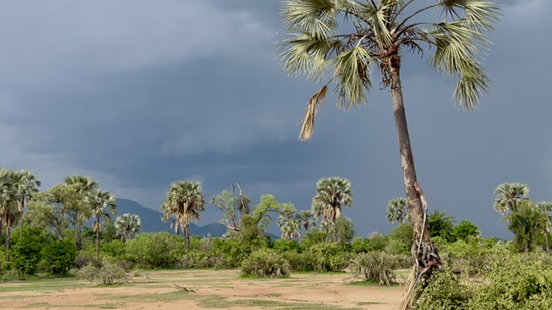
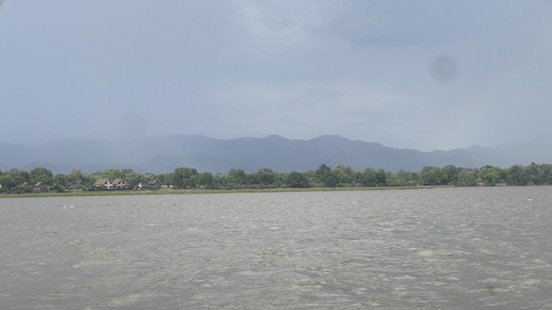
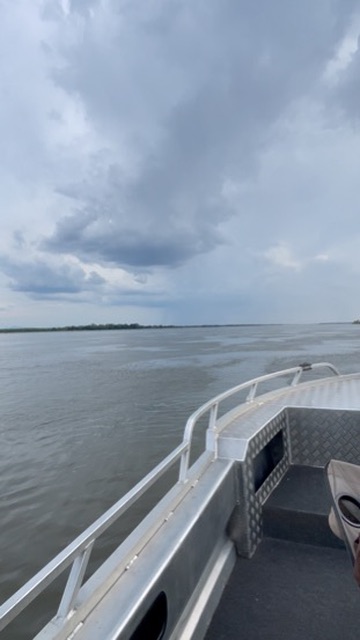
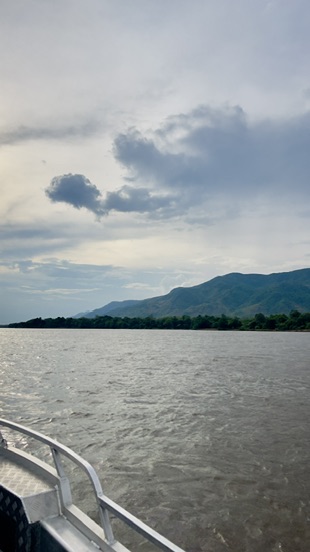
We raced toward the Chongwe River Gate, made it just in time, and sailed back to the lodge under a gentle drizzle. A wet but poetic ending to a long, hot, wildly adventurous day. The Lower Zambezi is a place that humbles you, delights you, feeds you (literally and spiritually), and reminds you why Zambia is one of the most beautiful countries on earth. I left with muddy clothes, a full heart, and stories I’ll be telling for years. Here’s to more adventures, more wilderness and more moments that remind me how blessed I truly am to be alive and call Zambia my home.
 Adventures with BoBoBongz
Leave a comment