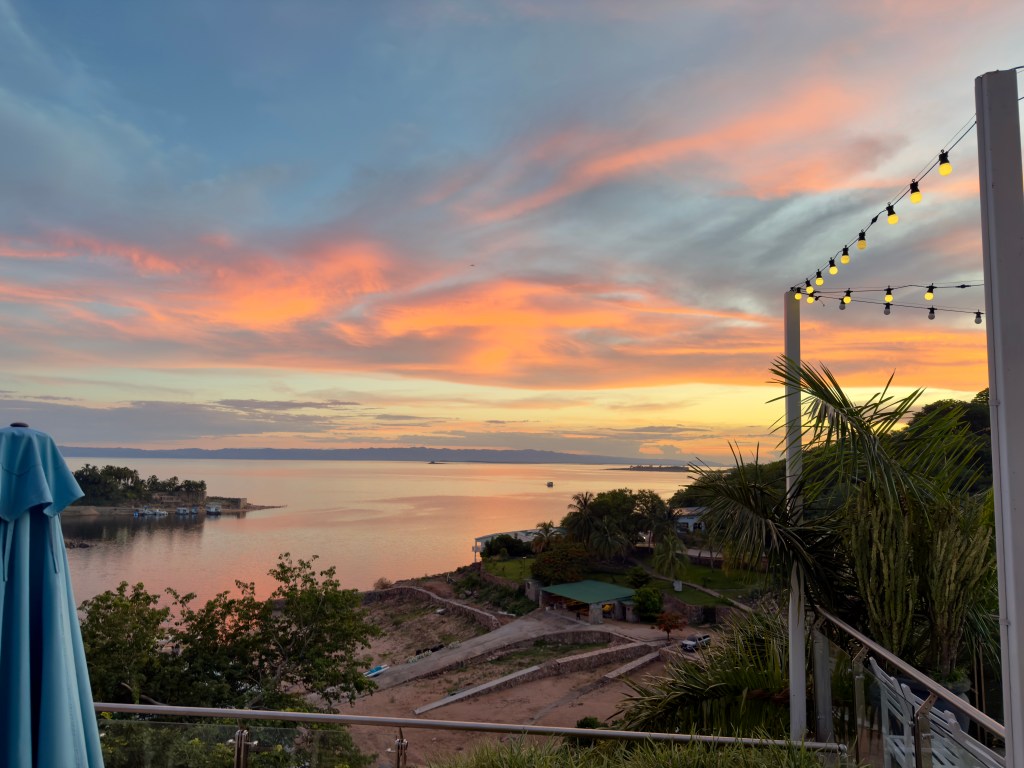
Do you know that there are places in the world where the journey itself feels like part of the adventure? Where the road leading to the destination is just as memorable as the destination itself? Siavonga town, located along the shores of Lake Kariba in Zambia’s Southern Province, is one of those places. The trip there is a journey through scenic valleys, escarpments, cultural landmarks, and even a river, making it well worthwhile.
Heading out of Lusaka, the landscape shifts, almost immediately, from Lusaka’s concrete urban clutter to undulating green hills. When you reach the Kafue Basin, you experience a brief drive over the glistening waters of the Kafue River. Your drive will lead you to the Chikankata area, heading towards Chirundu.
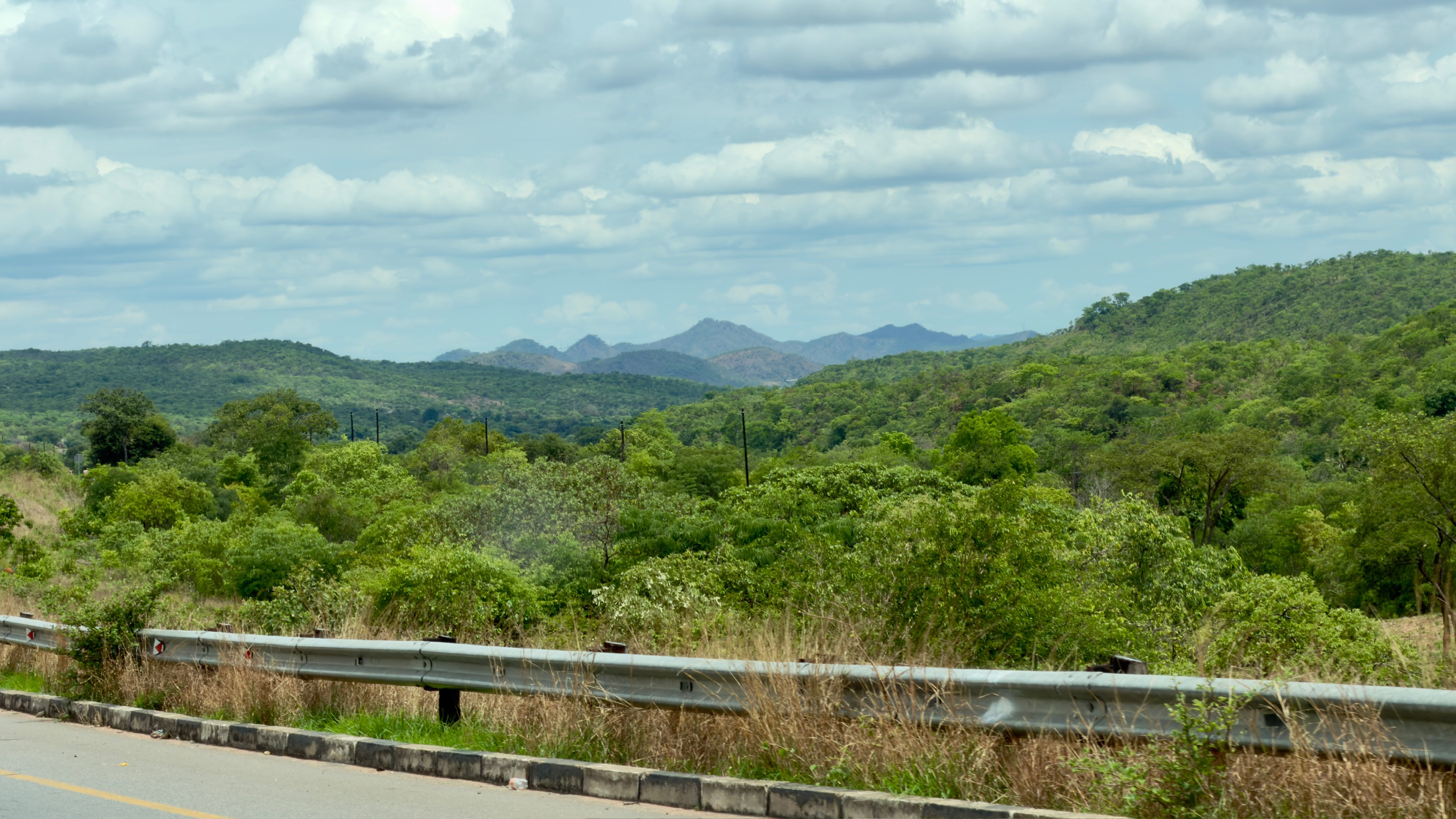
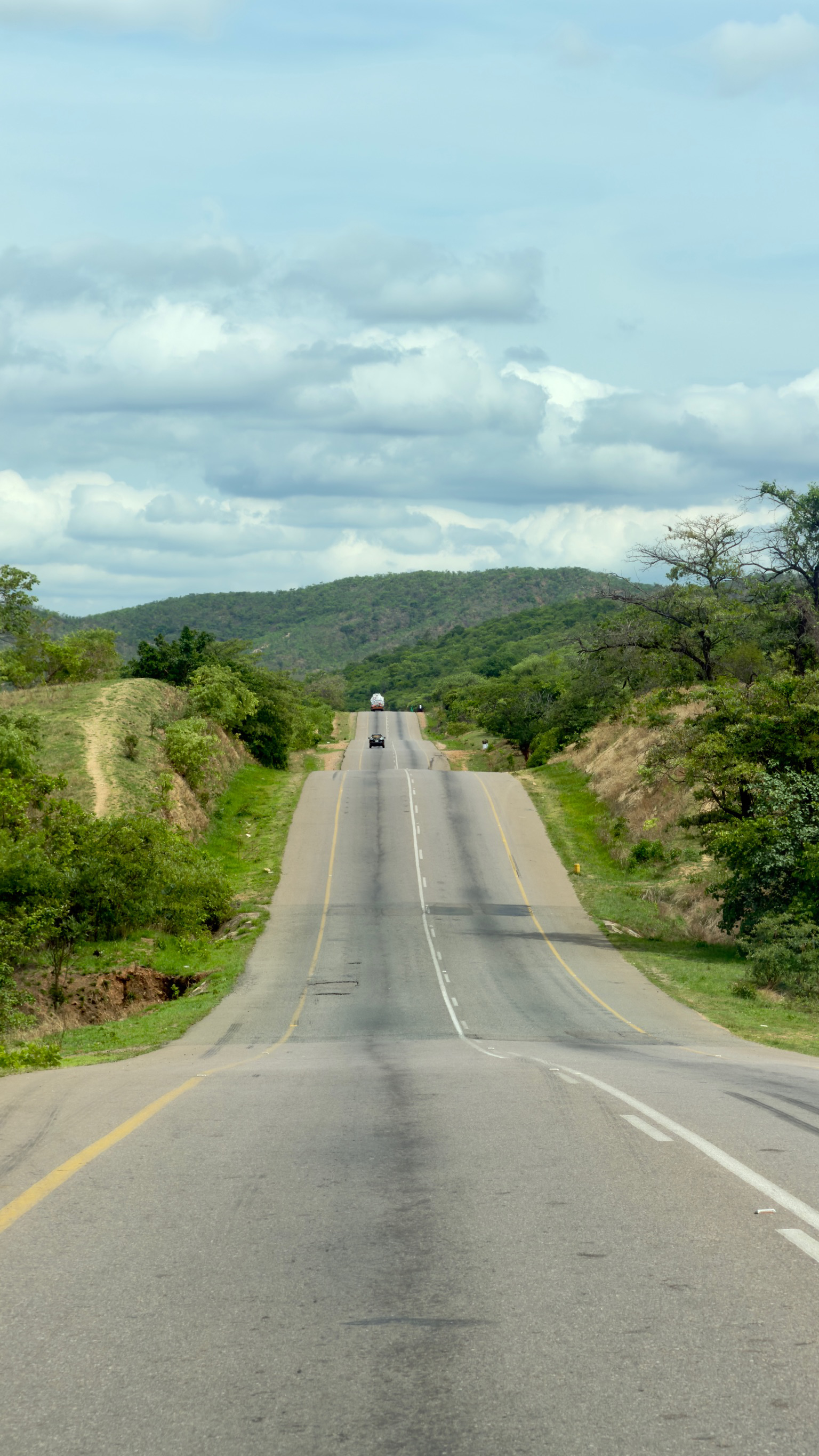
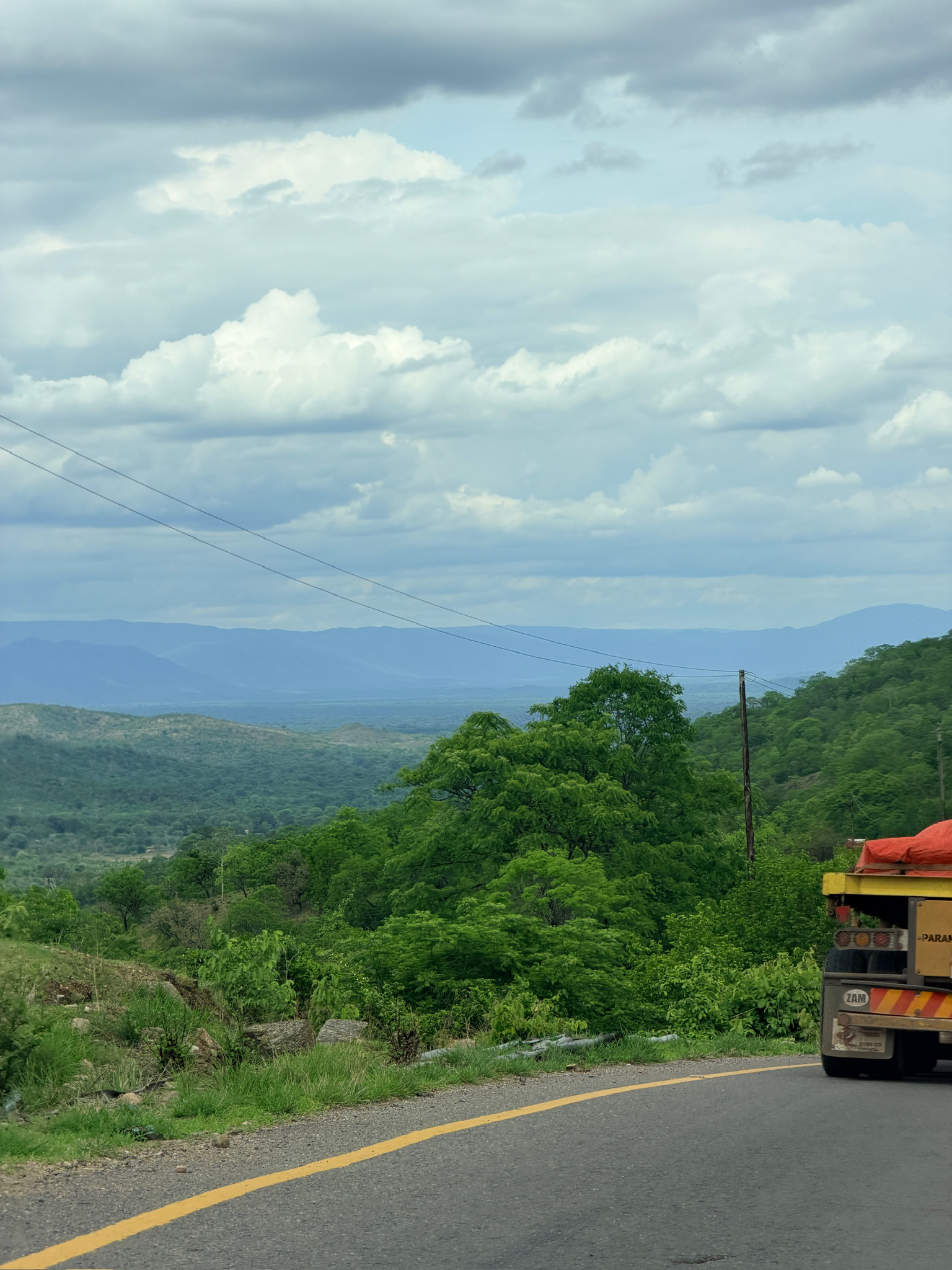
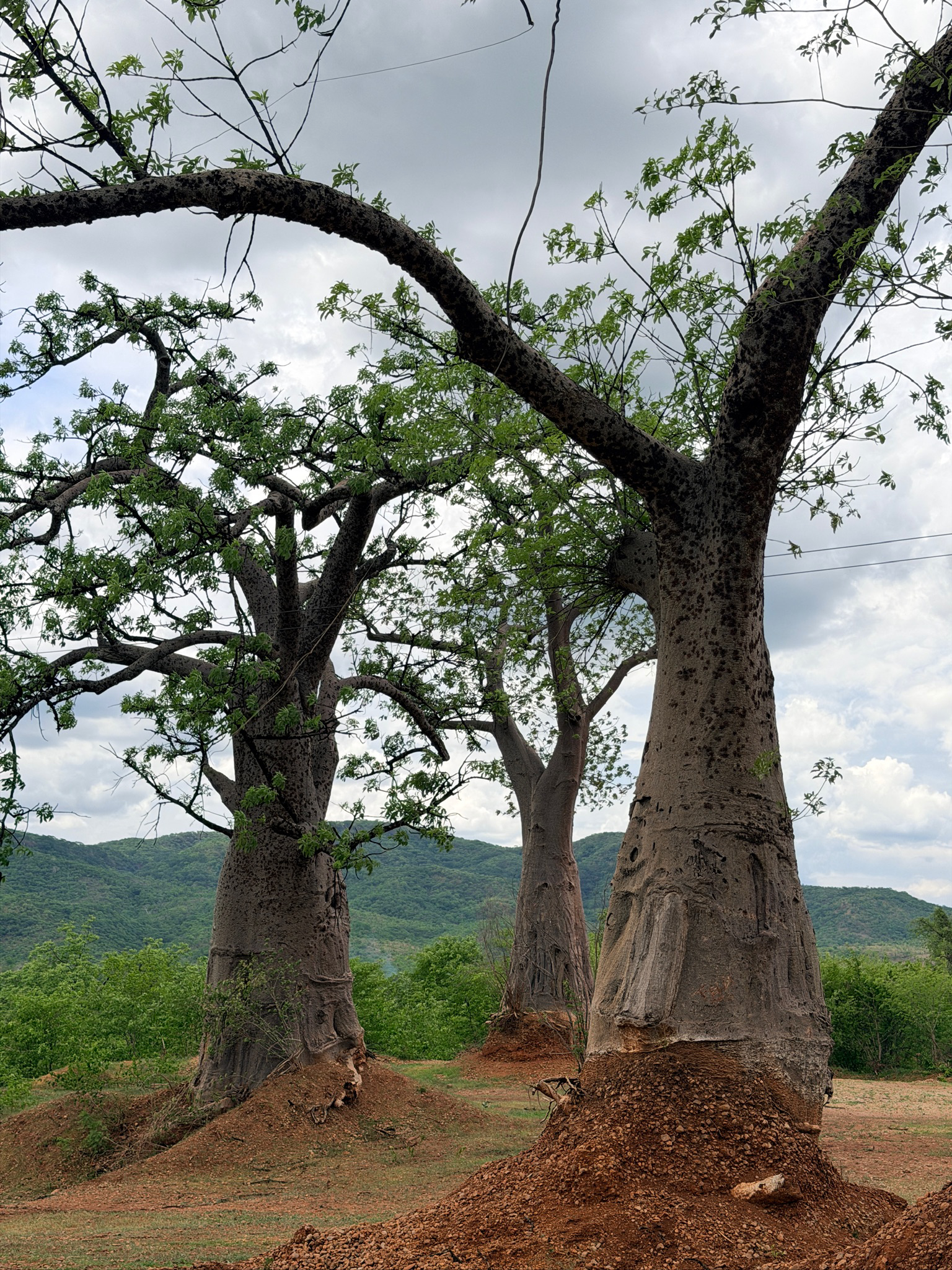
On this route, the wide-open spaces give you amazing views of the Zambezi escarpment. The hills rise, fall and fold over each other into the horizon, leading you into the valley where Siavonga sits. From several vantage points, you will witness sweeping valleys and towering baobab trees, scattered like ancient guardians against a vast, endless blue sky. There are several postcard moments that no camera can do justice to.
Bits and Bites
One of my favourite stops is at the Siavonga turnoff, where vendors serve succulent, smoky goat meat skewers alongside salsa and amatumbo (offal and tripe). This roadside indulgence is a real taste of Zambian cuisine’s soul: simple yet delicious and satisfying.
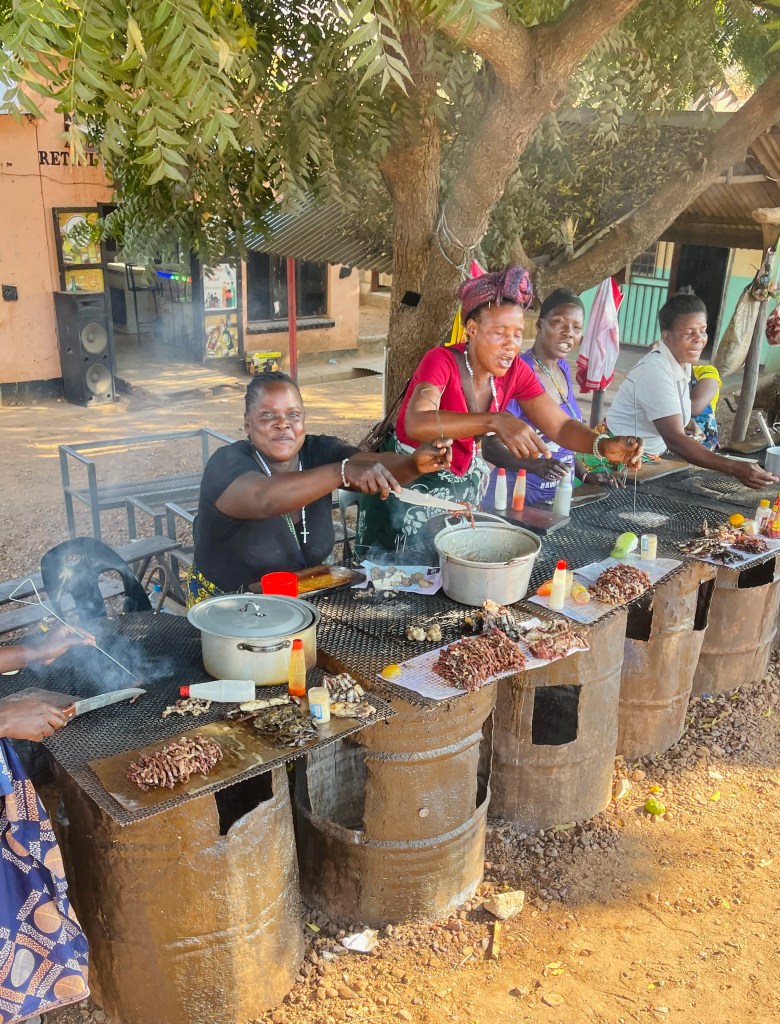
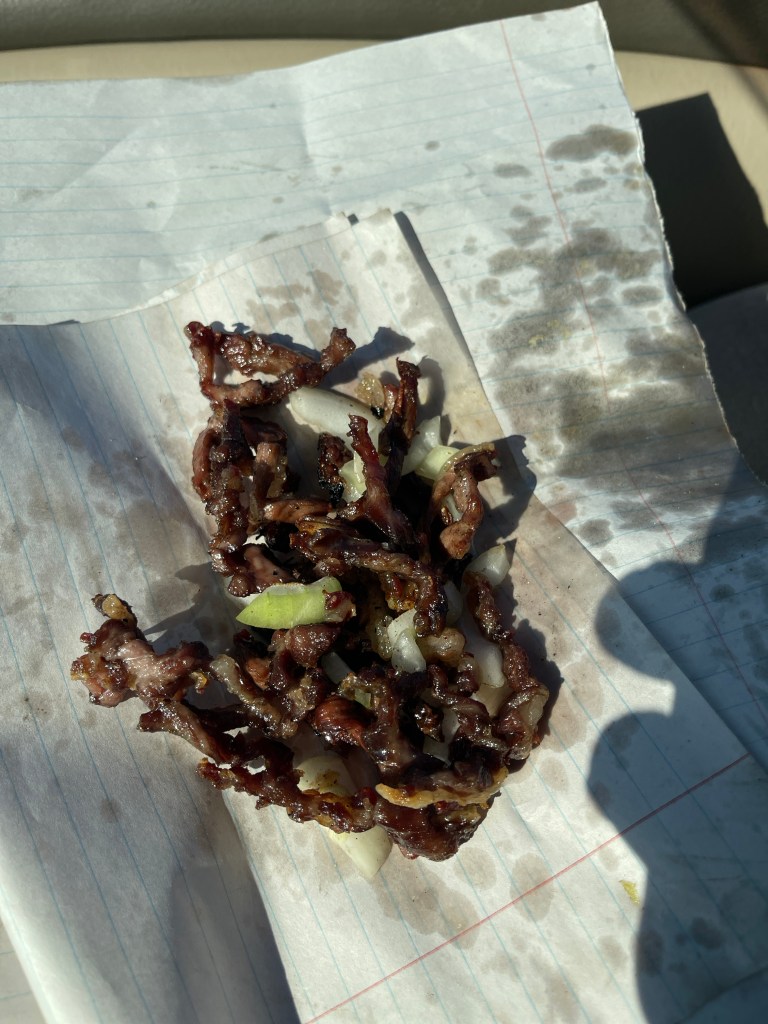
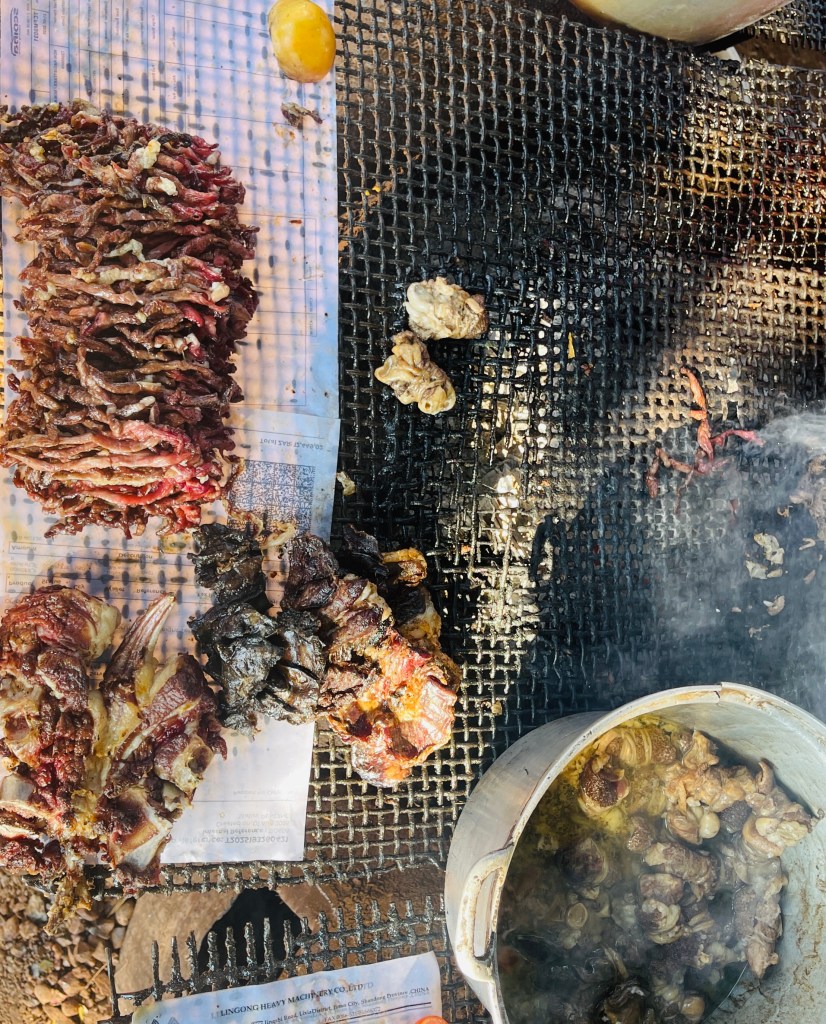
Chirundu Fossil Forest
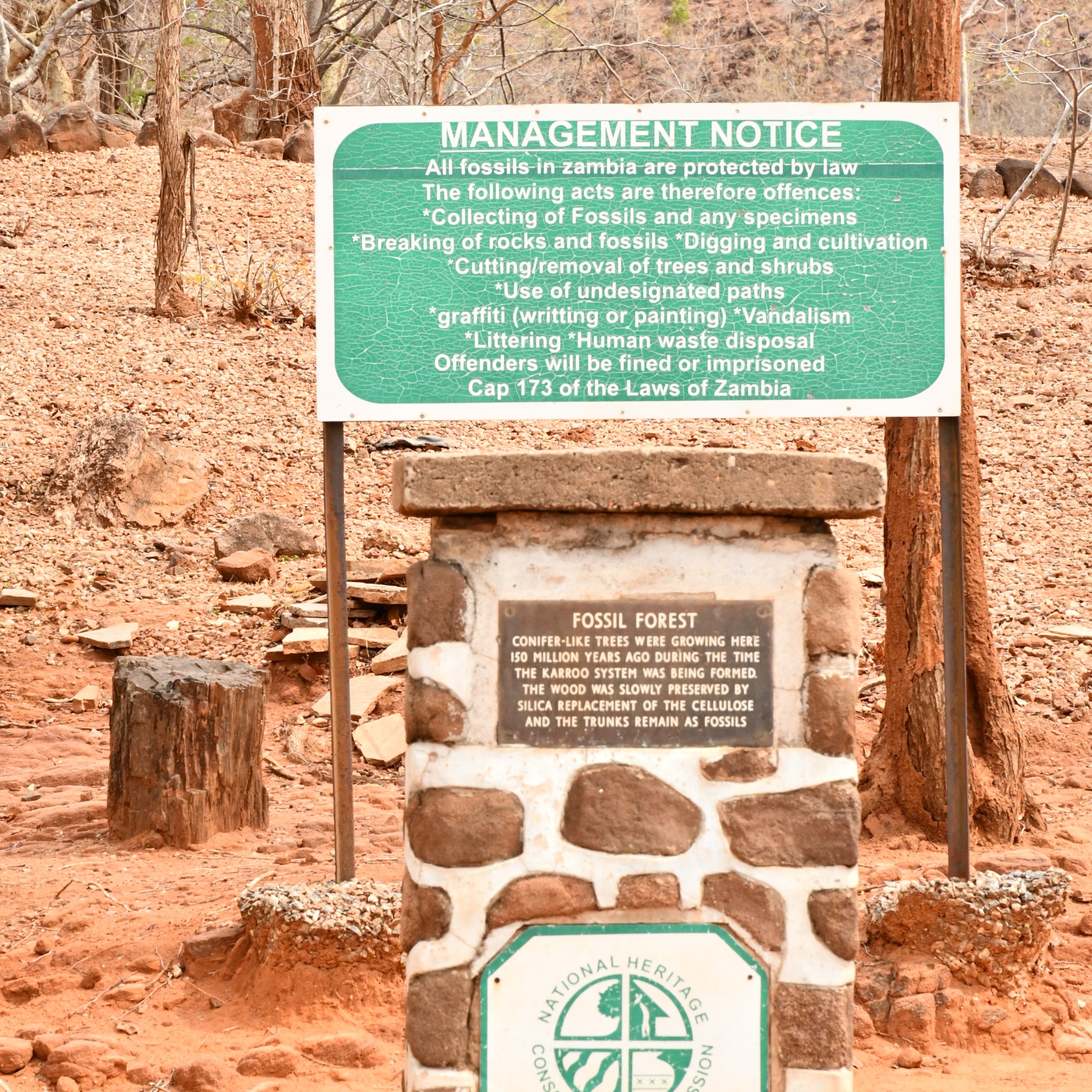
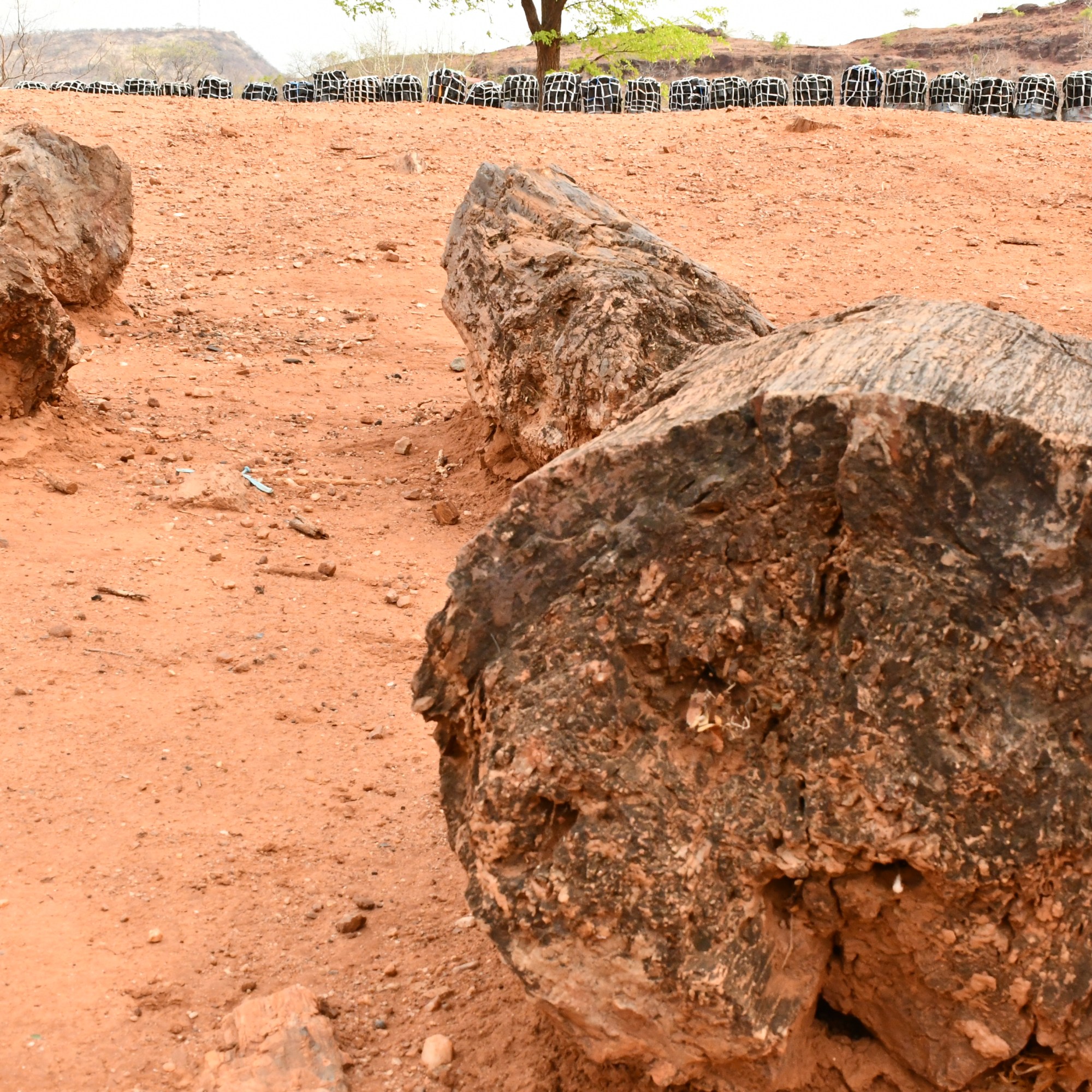
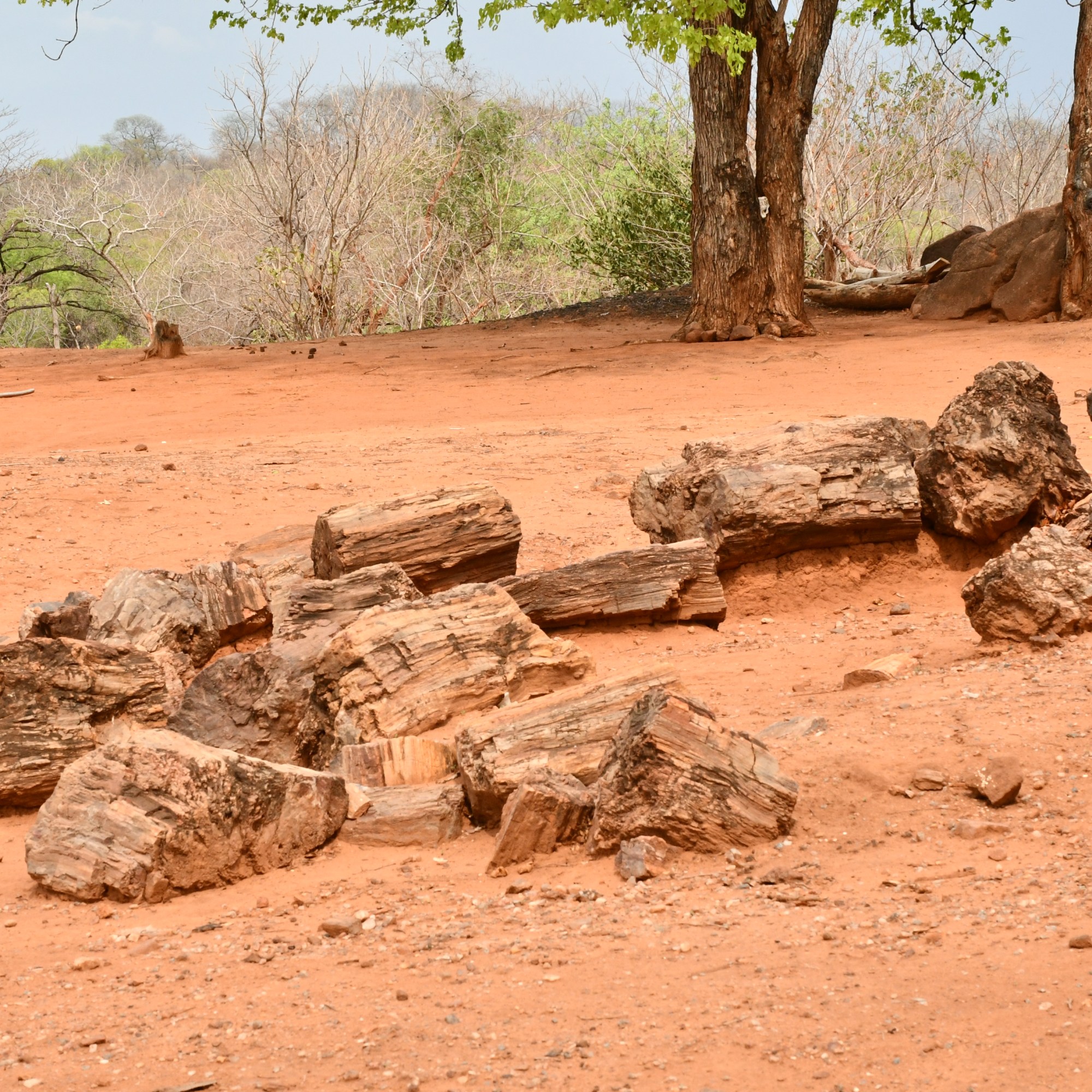
Further up the road from the vendors, past the turn-off, just a few metres off the highway, you will find another marvel that is worth stopping for. This national monument preserves petrified tree trunks from the Karoo Ice Age, fossilised millions of years ago. Walking among these stone trees is honestly surreal; it feels like stepping into a time capsule, seeing the vegetation that once thrived before humans settled in the area. Nearby, there is a little curio shed with simple yet elegant wooden pieces that speak to the local artistry. I still treasure the items I bought there; they remind me of how history and craftsmanship coexist in this region.
Ngombe Ilede
Head back to the turnoff as the journey now stretches towards Lake Kariba, with one more notable stop: Ngombe Ilede, a tree shaped like a sleeping cow. It is a natural wonder and was not fashioned by human hands. It is now a national monument and has been part of Zambian lore and history. I remember learning about it in high school as a bustling trading site around the 15th century, where traders gathered to exchange textiles, salt and copper. Local artisans continue to dot the road, selling hand-woven baskets and implements.
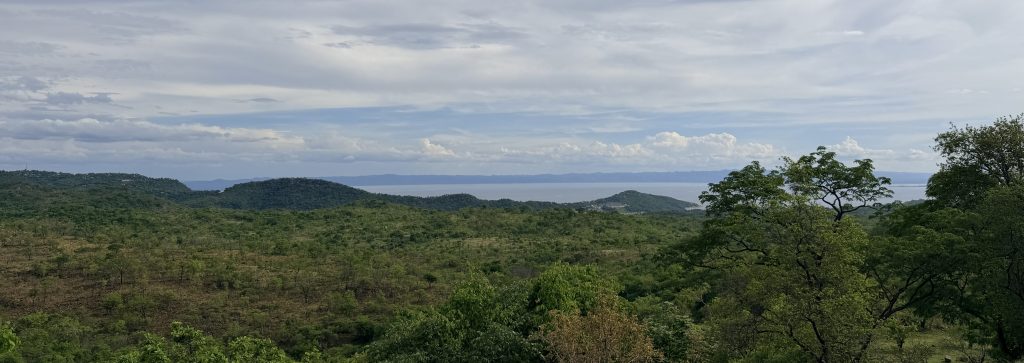
With one last rise and fold on the lip of the Zambezi escarpment, the valley opens up, and Siavonga reveals itself, a lakeside paradise that offers its own brand of adventure and tranquillity. The town is energetic but has the laid-back appeal you would expect from a lakeside town, offering a perfect mix of leisure and natural beauty.
Inside Siavonga
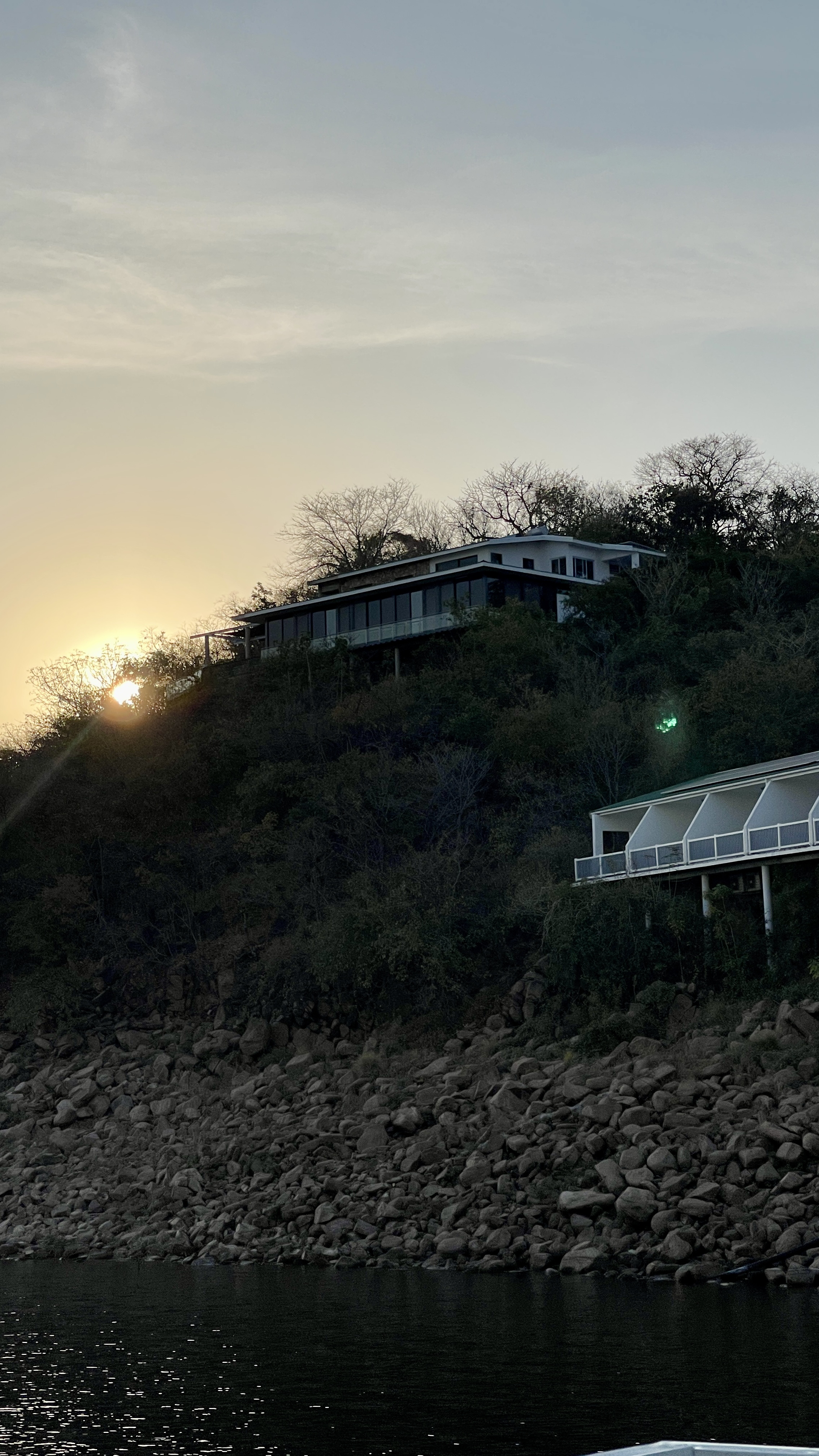
One of Siavonga’s more popular spots is Savee Beach Resorts, a lakeside property that combines water-based fun with relaxation and offers a menu that leans towards Indian-inspired cuisine. The water park is perfect for families, with slides and pools that echo with laughter. Just know that the property’s layout requires a bit of climbing, as it is set into a hill, but the breathtaking lakeside views make it worthwhile.
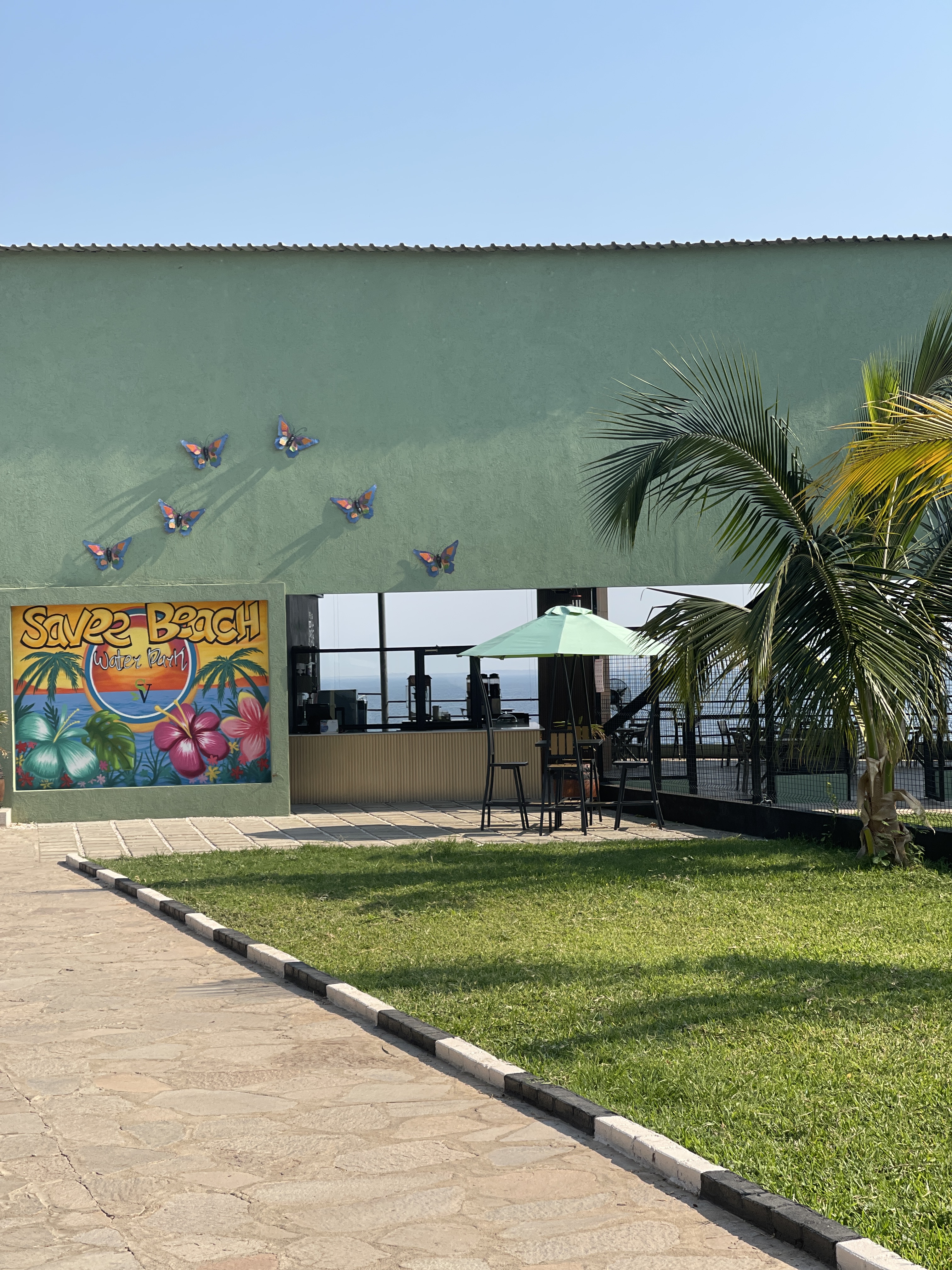
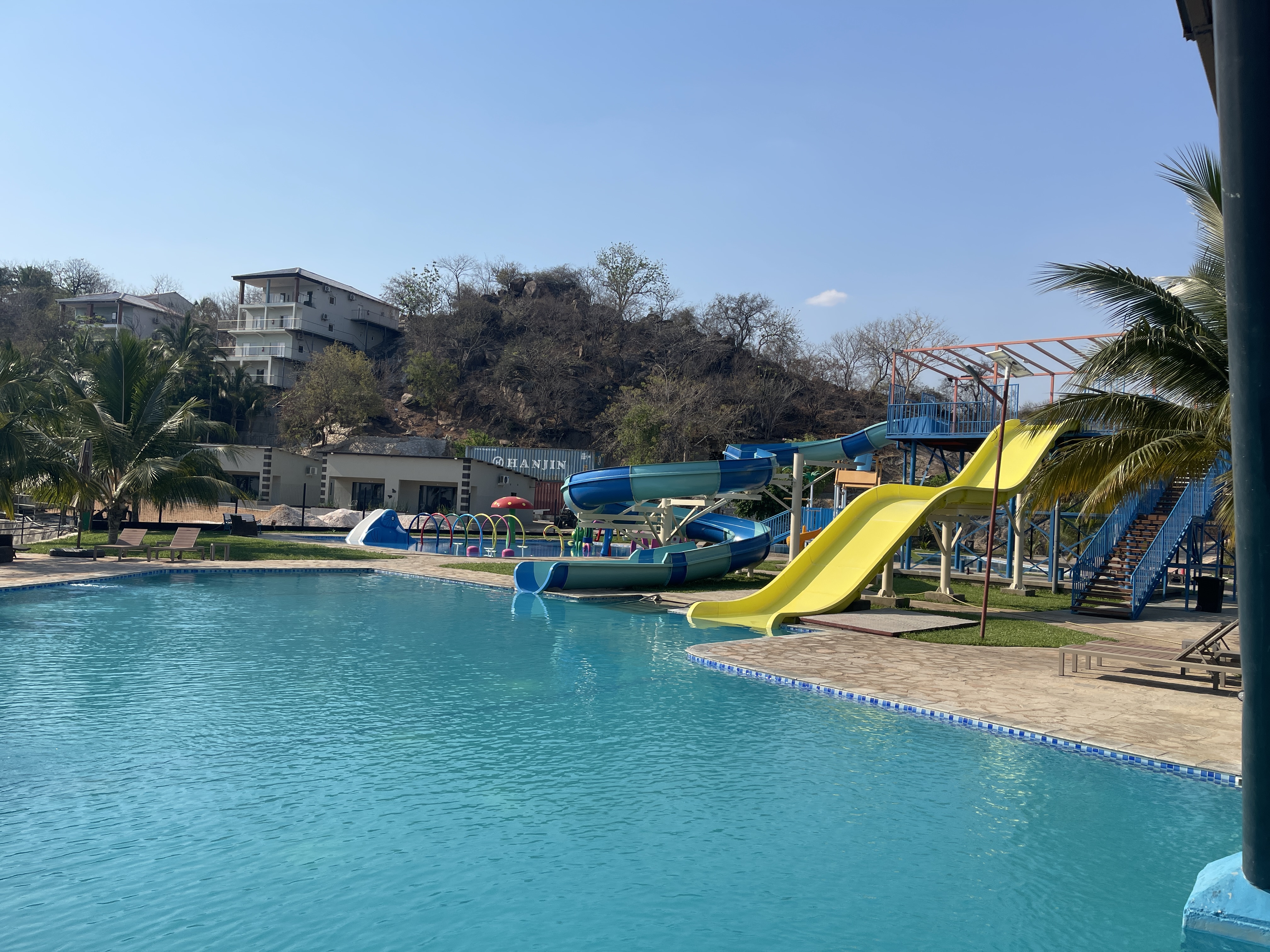
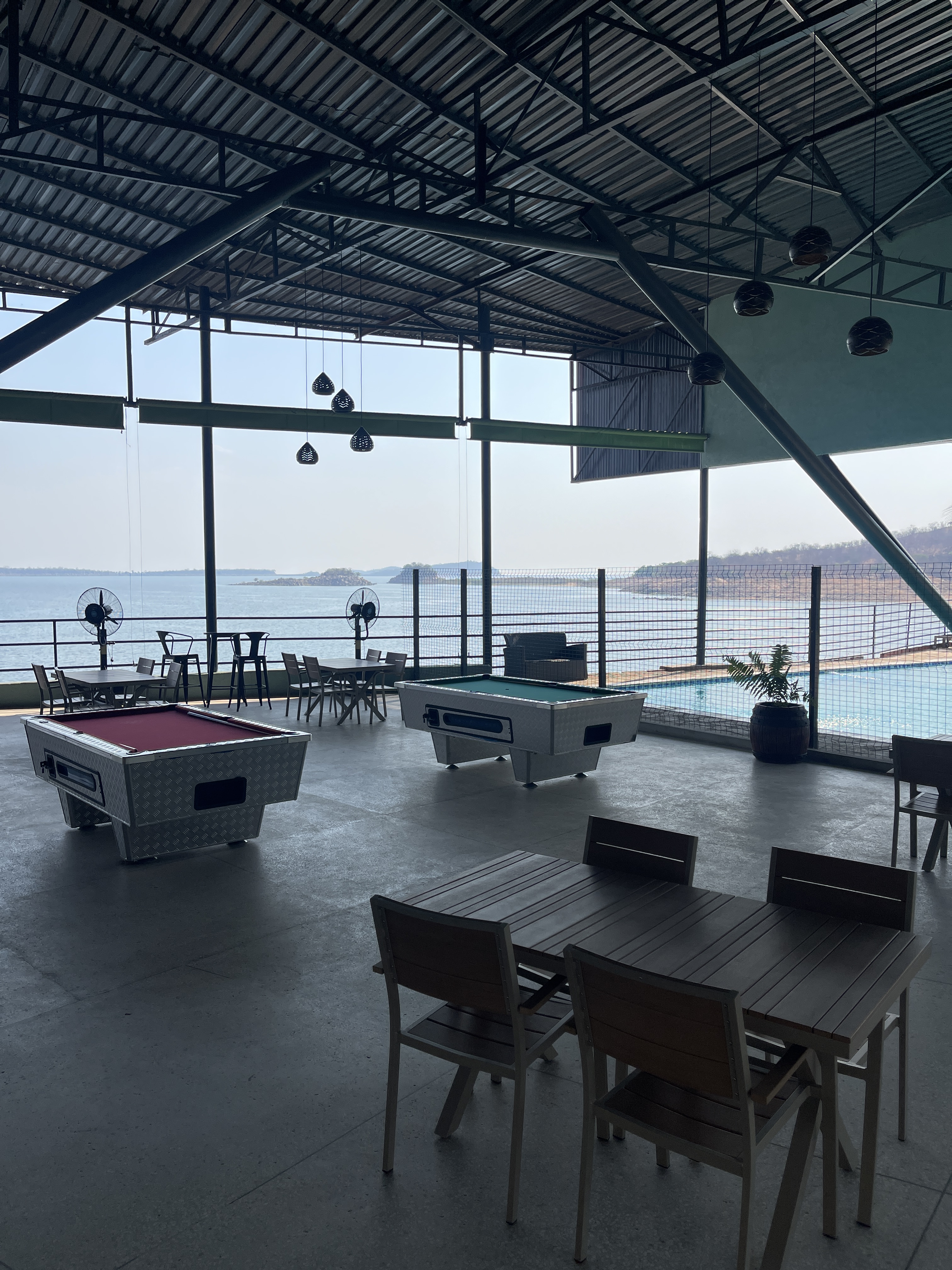
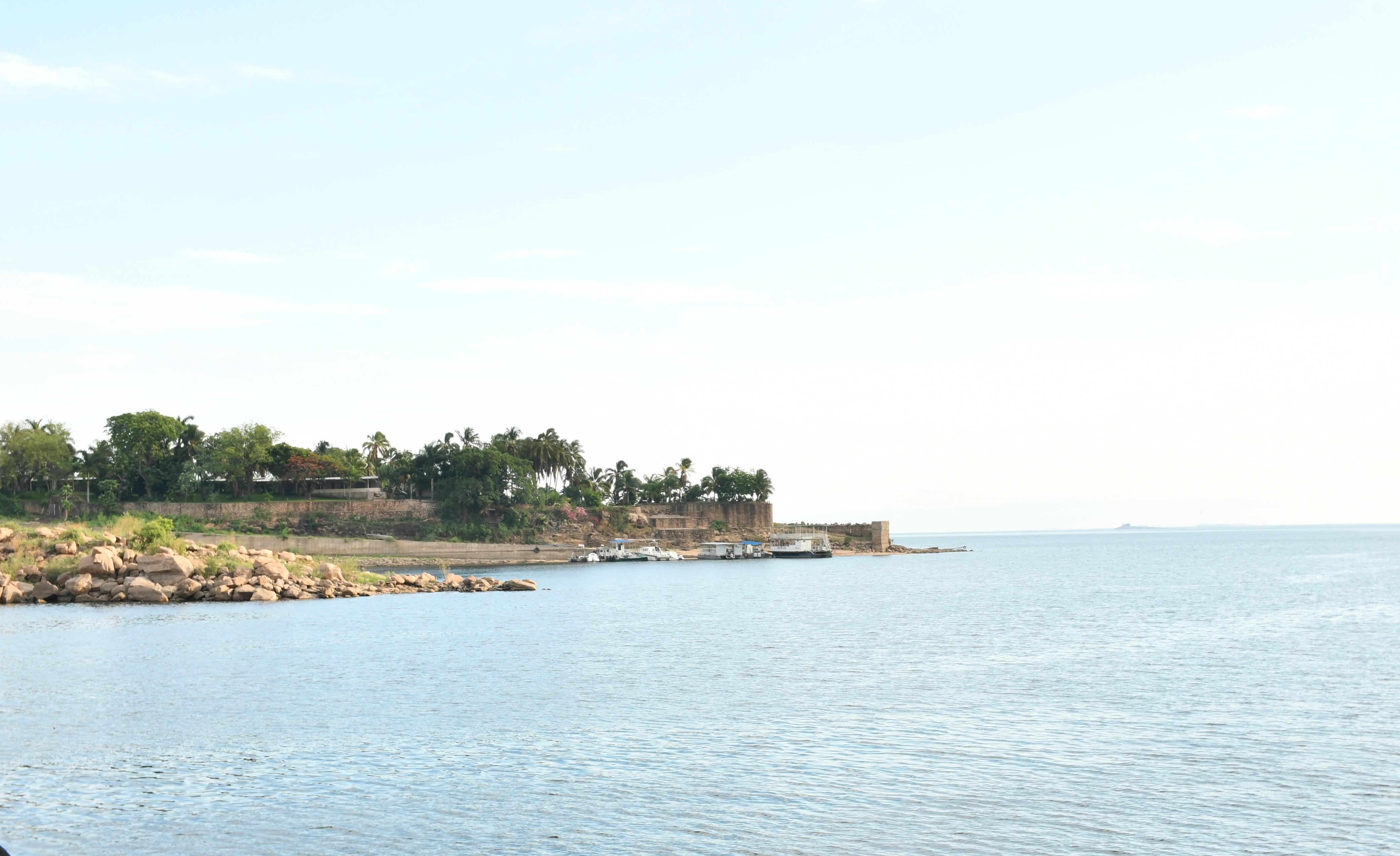
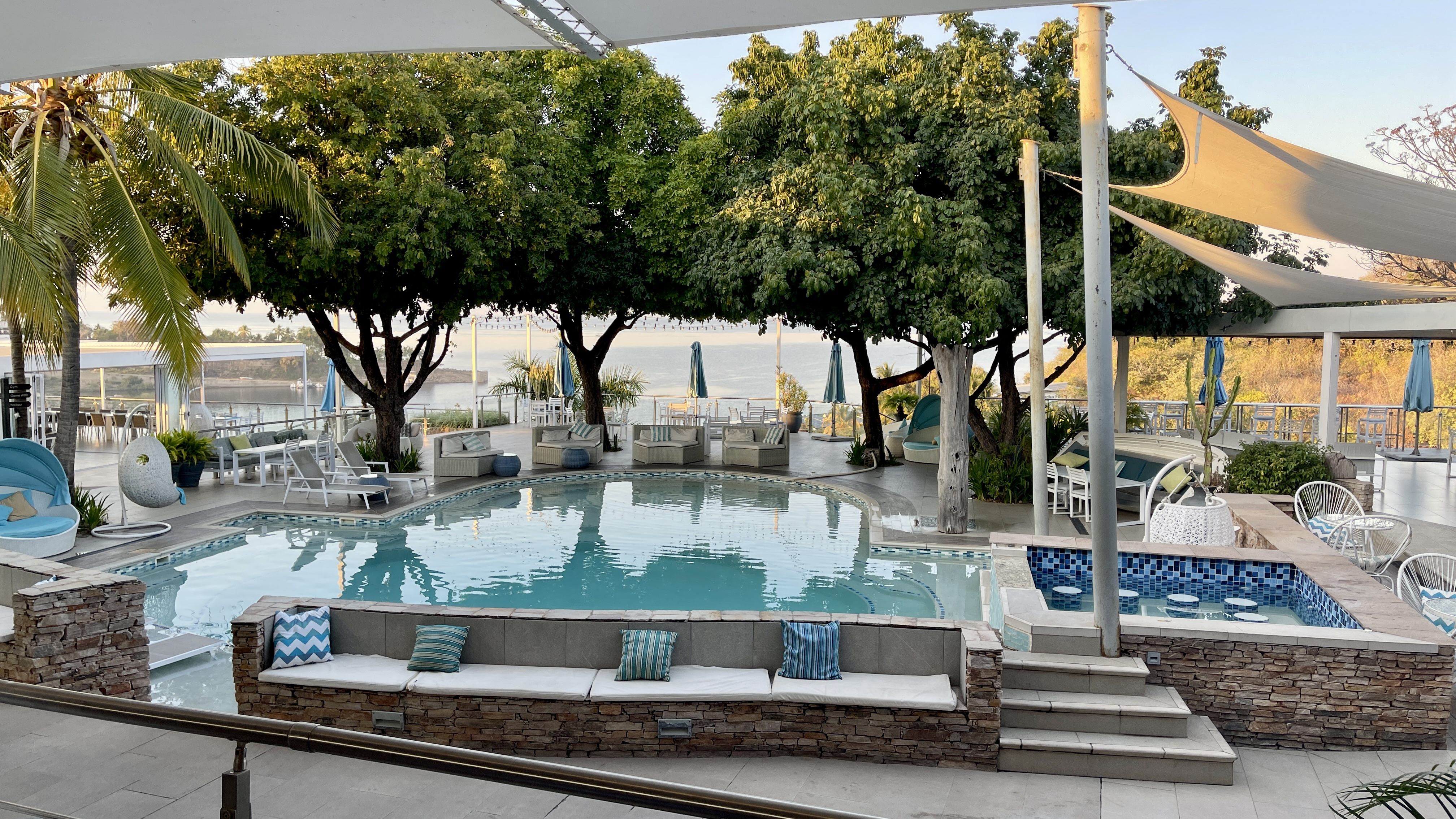
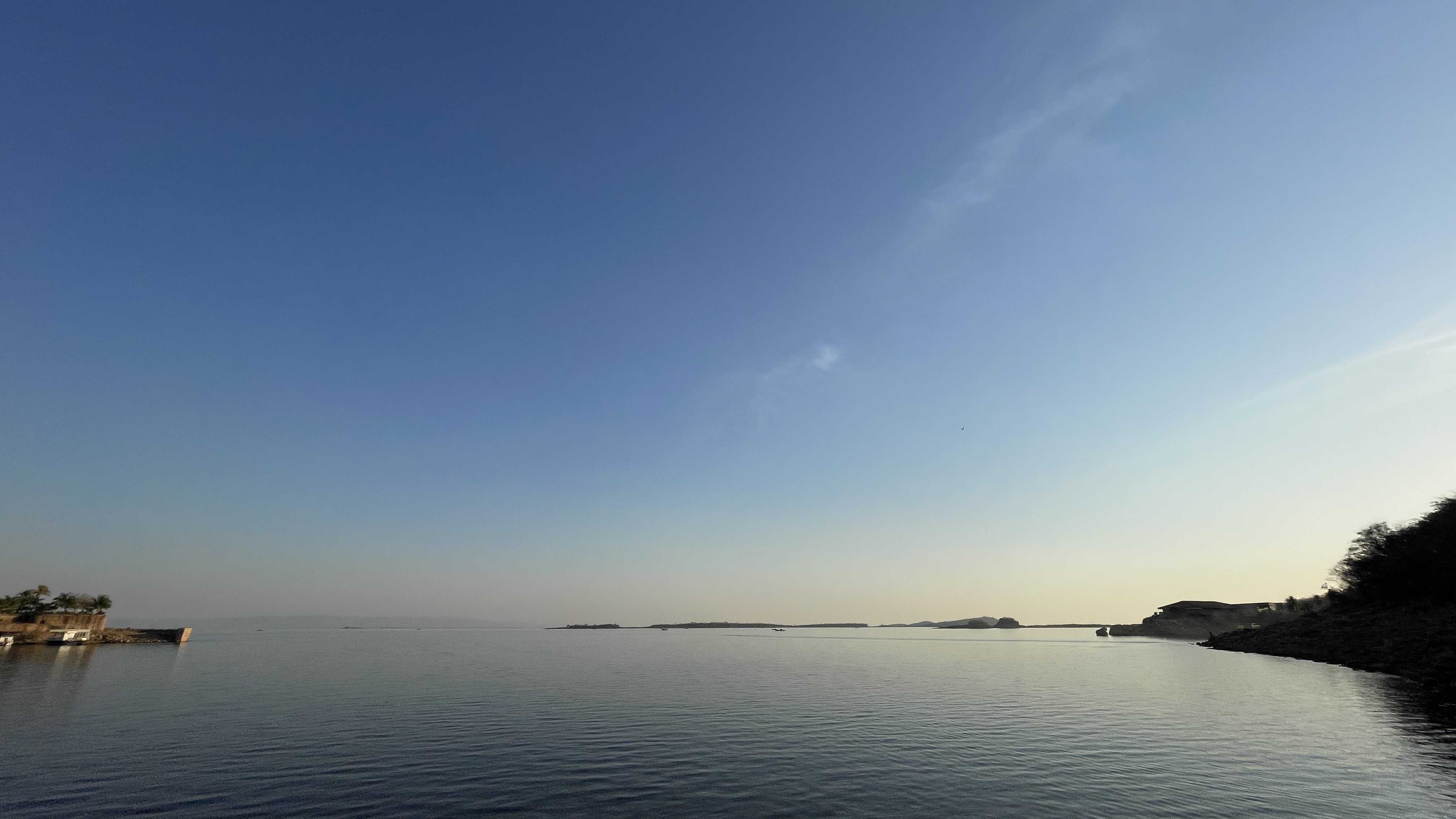
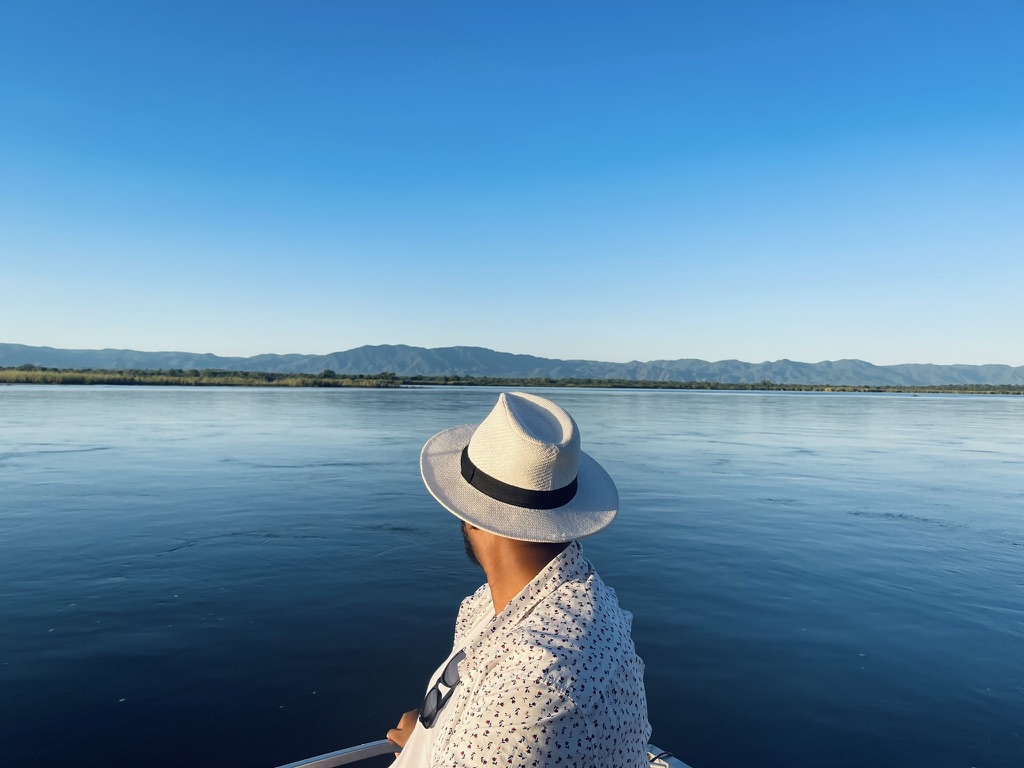
Across the lake, you will find Lake Safari Lodge, and parts of it really do feel like an island paradise. Palms sway in the gentle lake breeze, and the manicured lawns give you several opportunities to sit in serenity and reflect on the lakeside life. From here, you have undisturbed, panoramic views of the lake, stretching out like a painter’s canvas. Two inviting pools shimmer in the sun, perfect for cooling off after a day in Siavonga’s heat. While you are there, take a boat cruise across the lake and soak in the charm of this fishing town.
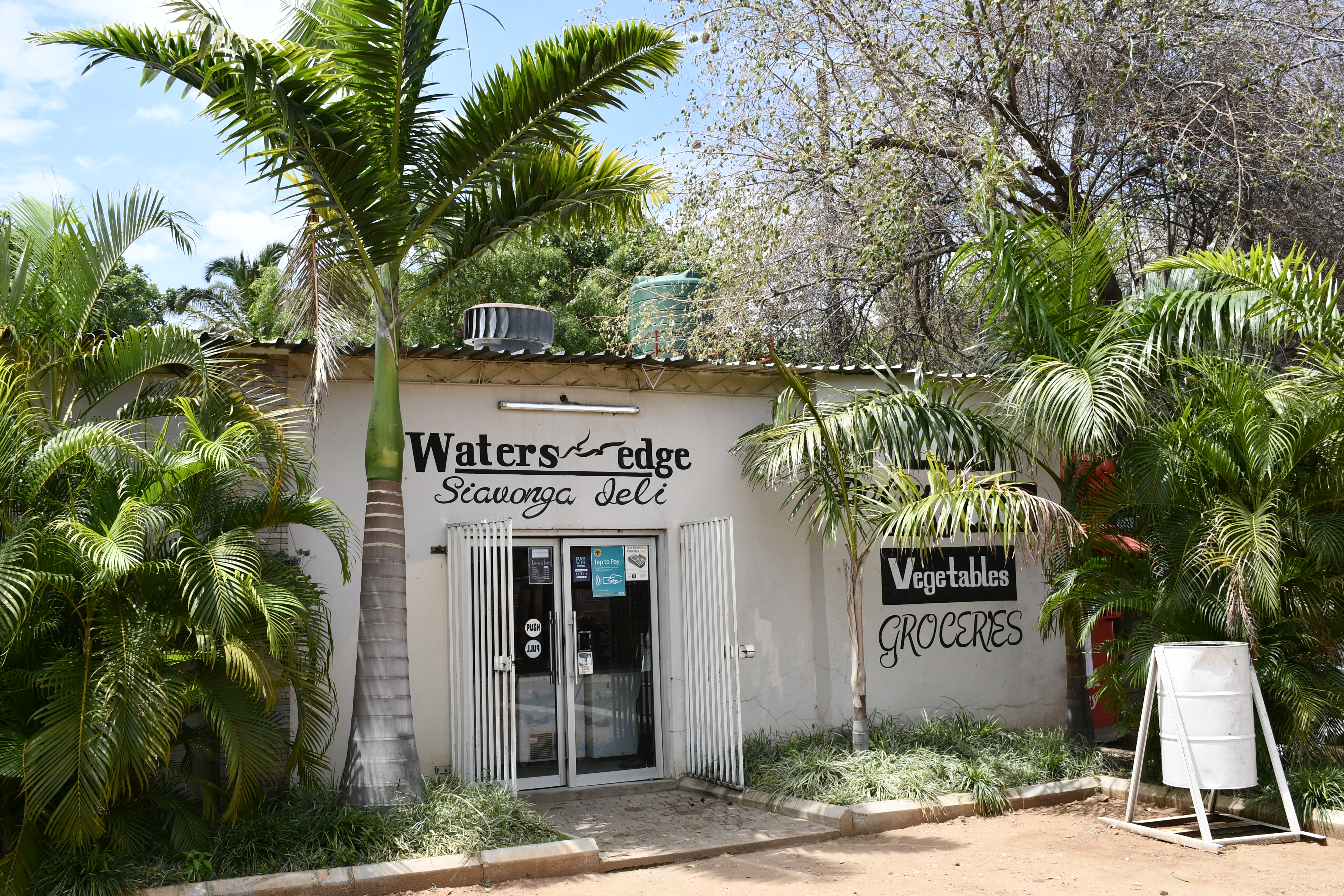
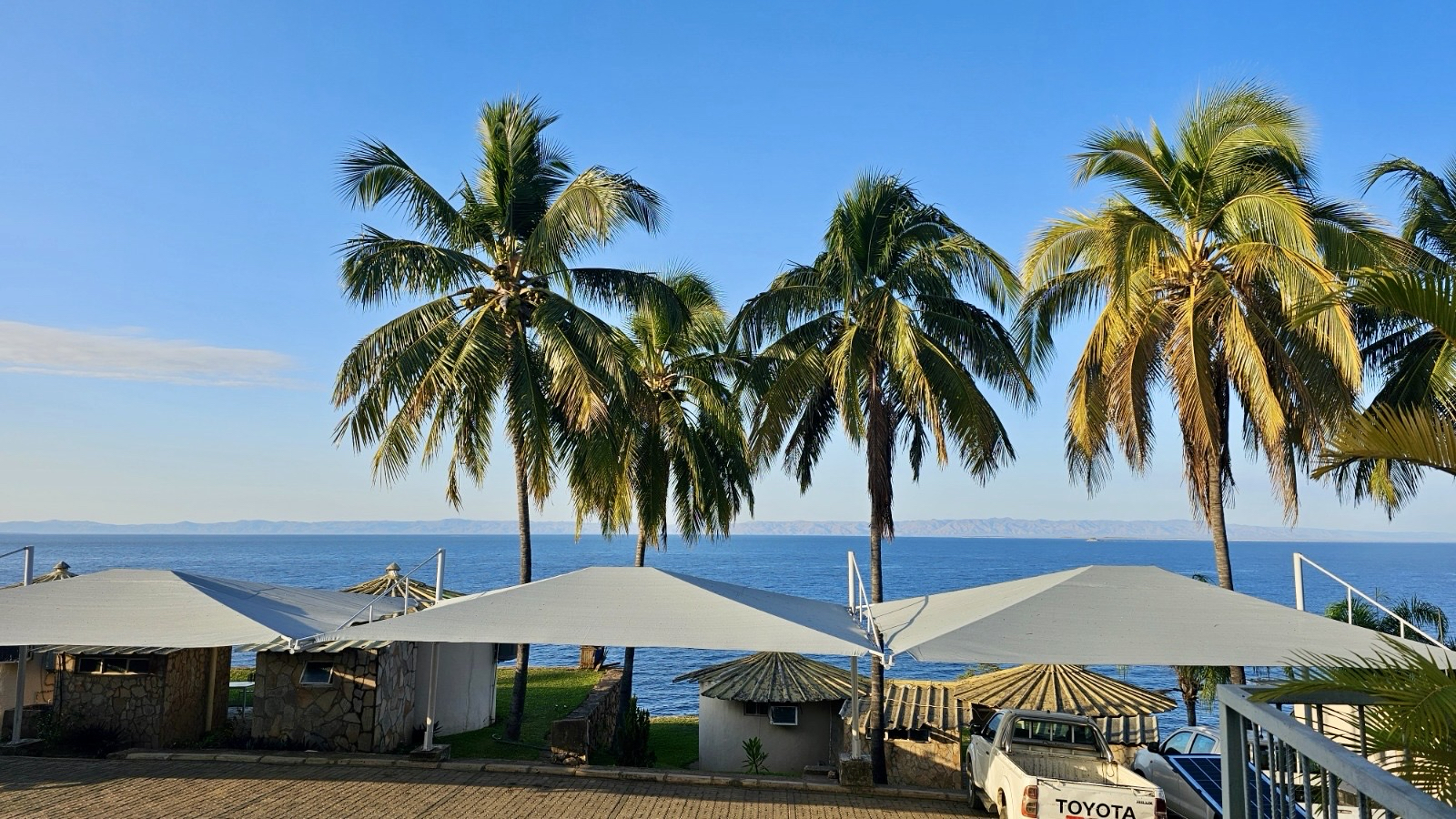
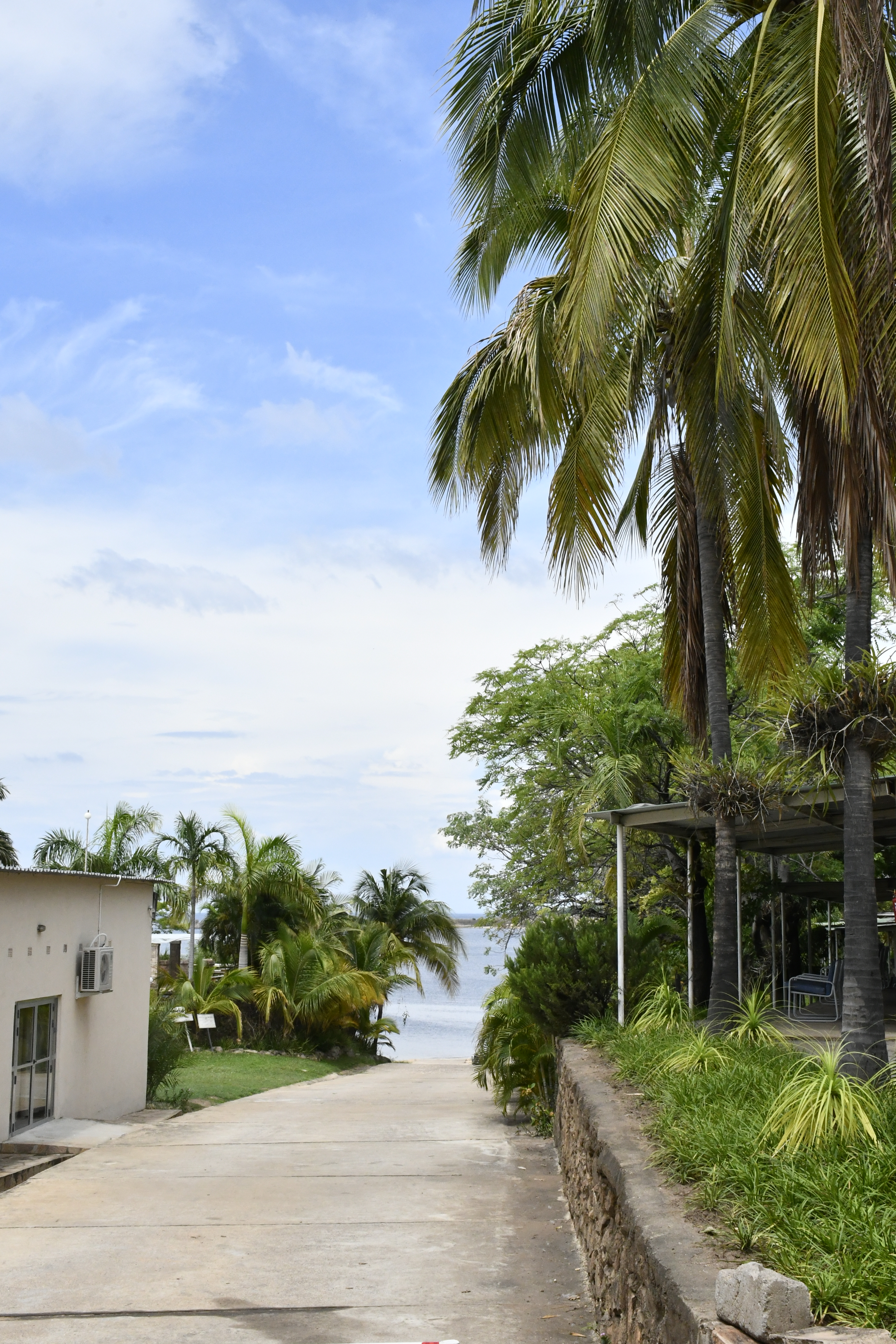
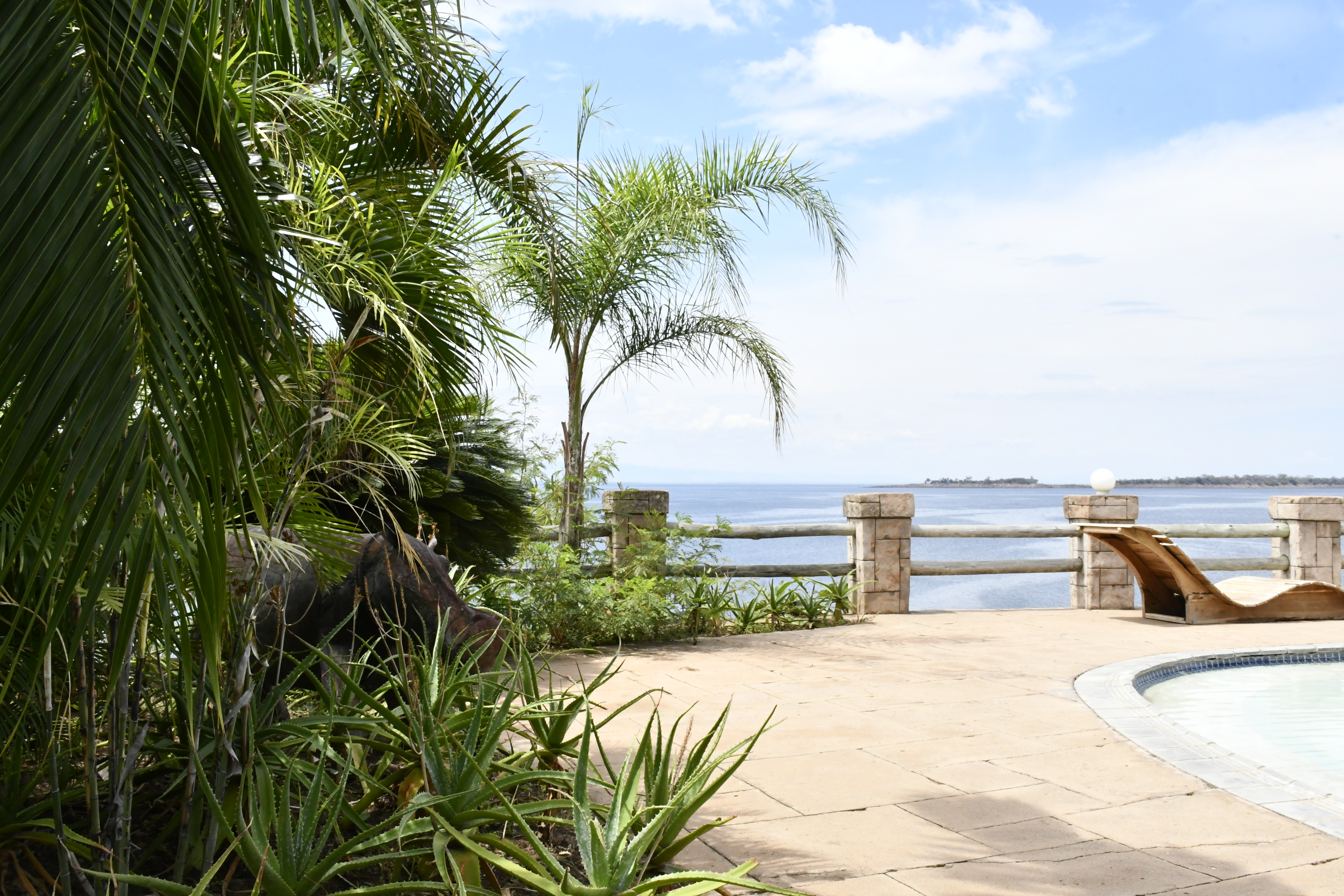
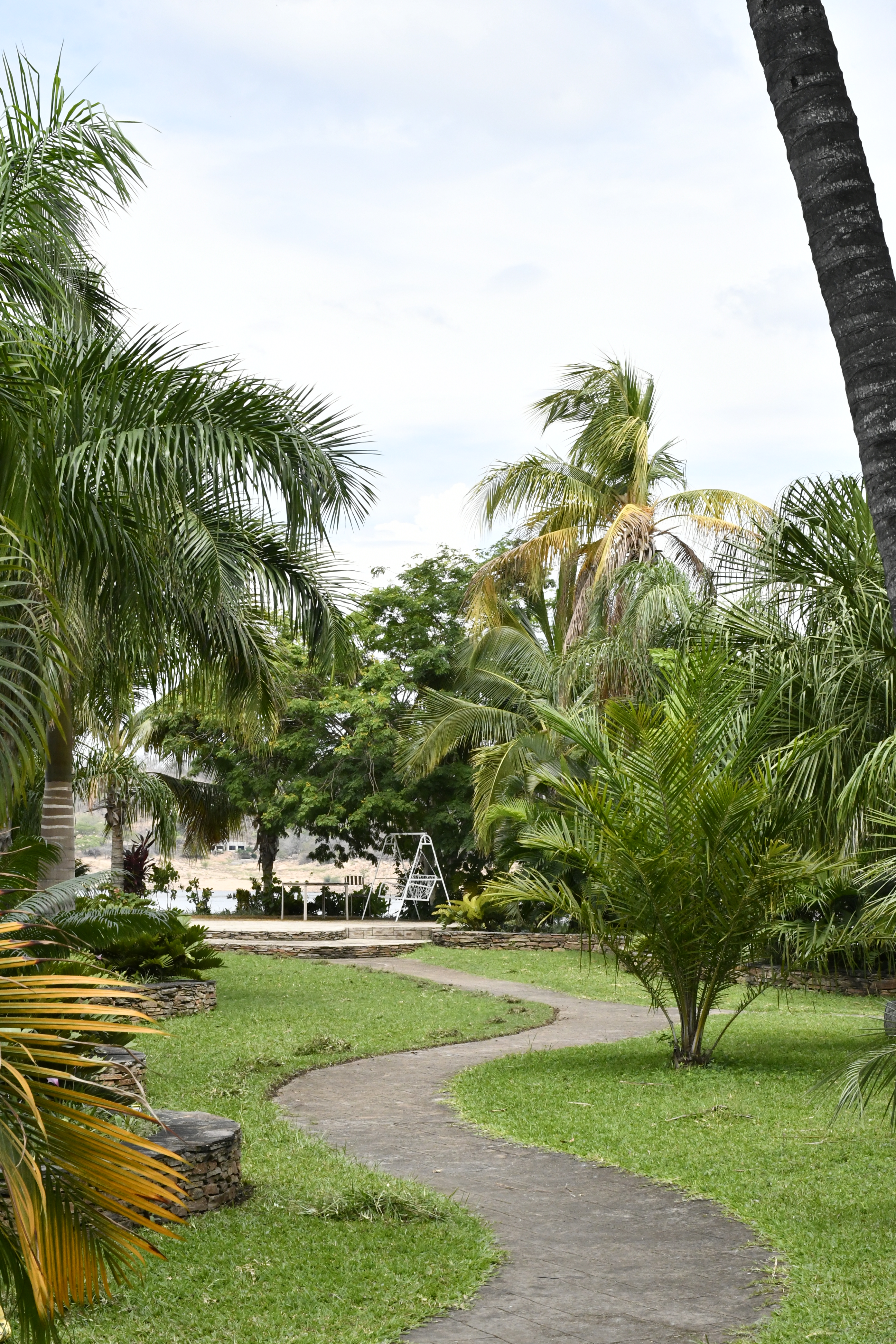
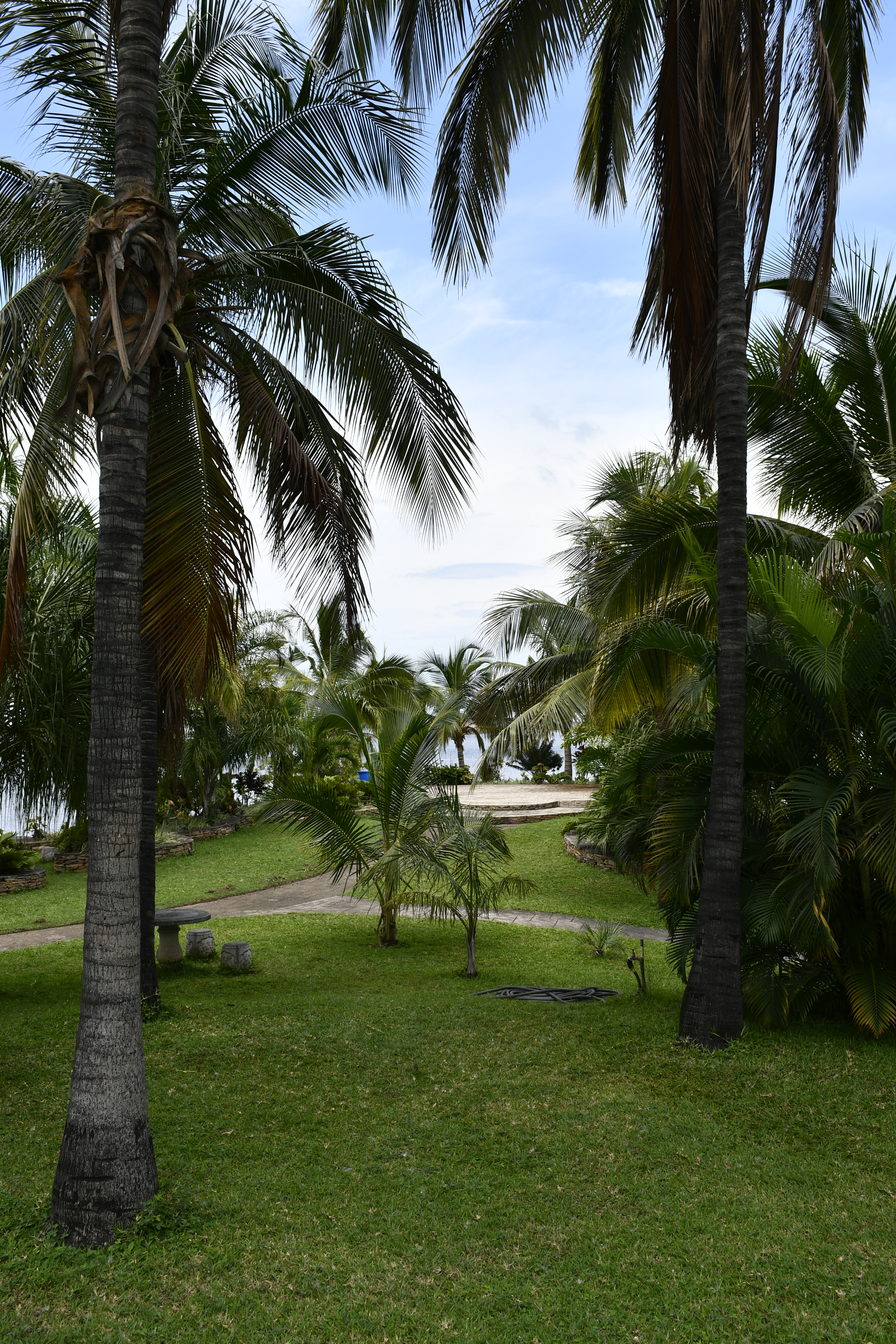
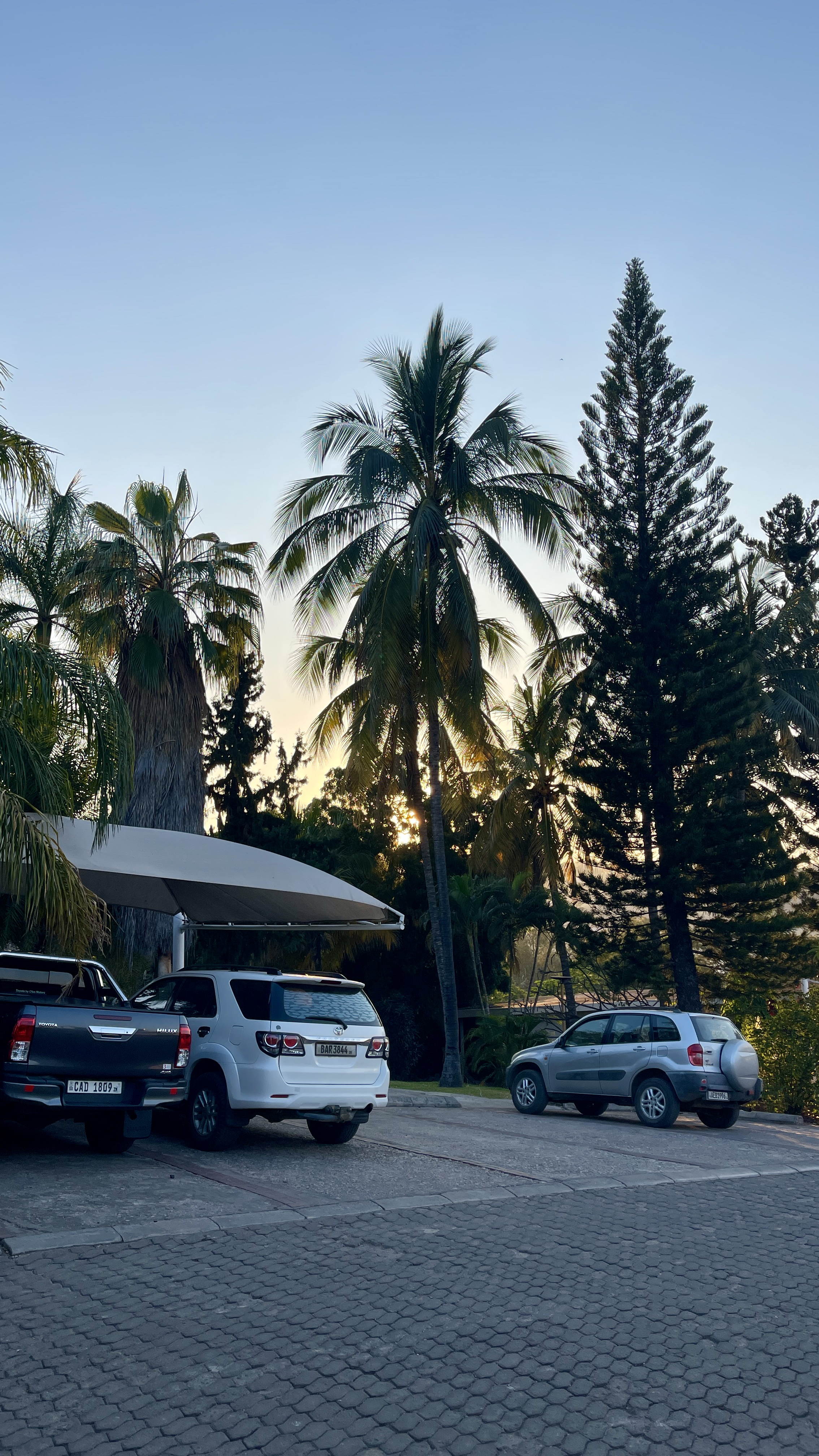
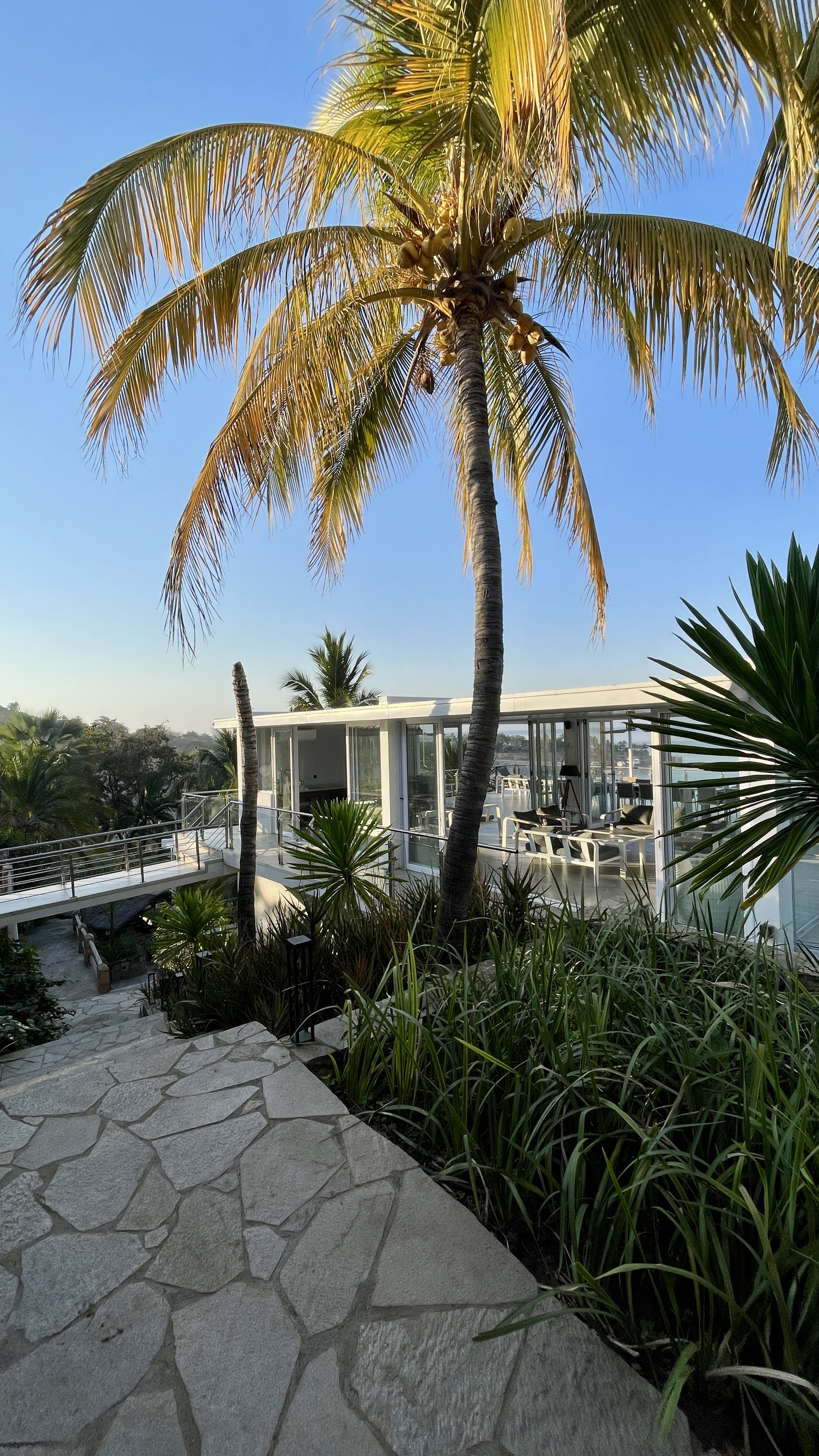
Kariba Inns hold fond memories for me. I used to visit here as a child, and I have watched it grow into a reputable resort, from its polished facilities to its serene atmosphere. All this is secondary to the dining experience here. I personally recommend the fresh crayfish, caught daily from the lake and slathered in garlic sauce. Indulge your sweet tooth with several cakes and pastries as you relax by one of their four pools, or grab a drink at the lively bar with all the trimmings for a sundowners.
Fishing Hub
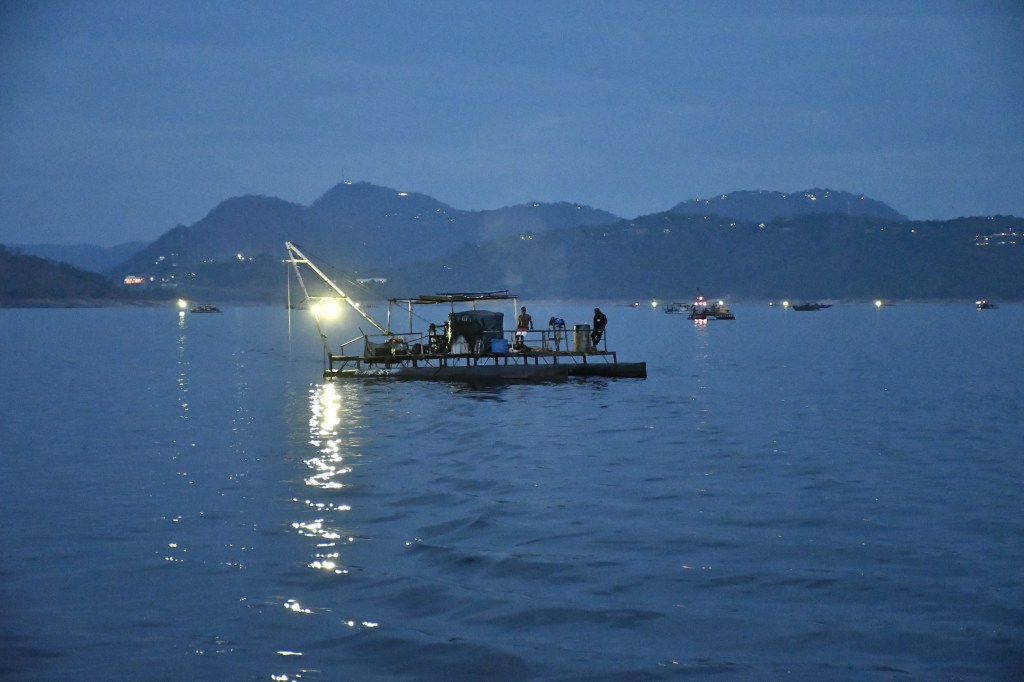
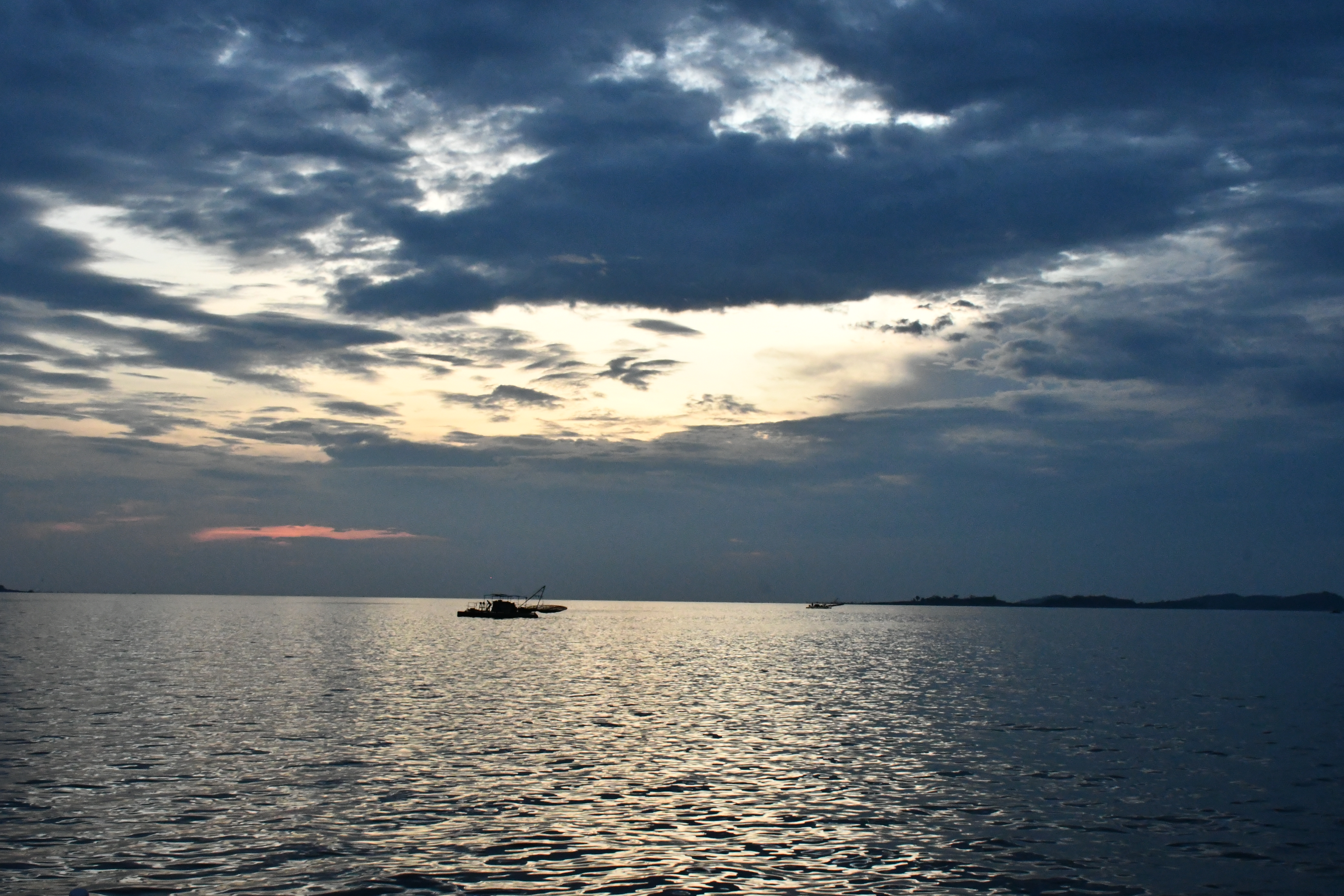
Siavonga is not only about leisure. It is also a working fishing town, alive with the rhythm of fishermen and women who set out daily to harvest Lake Kariba’s bounty. During fishing season, at night, the lake transforms into a spectacle of lights, with fishing boats dotting the water and their lanterns mirrored on the surface, to the point that to the untrained eye, you cannot distinguish the sky from the water.
I spent some time with the fishermen, who explained how they use lights to attract kapenta and other fish, casting nets with a deftness that can only be passed down through generations. Watching them in their element always impresses me; their work is both demanding and risky, yet it sustains communities far beyond Siavonga.
Sunset Cruises
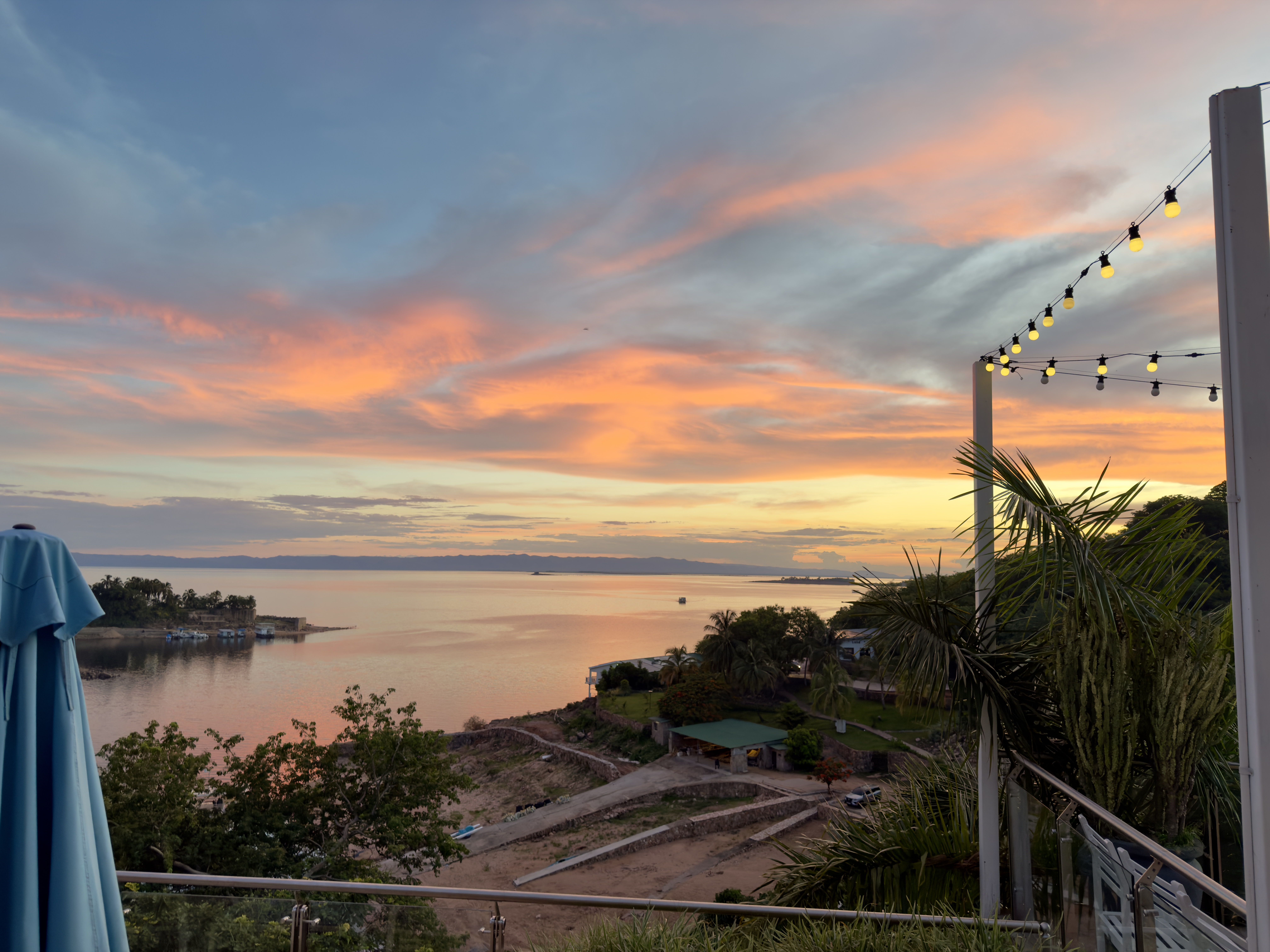
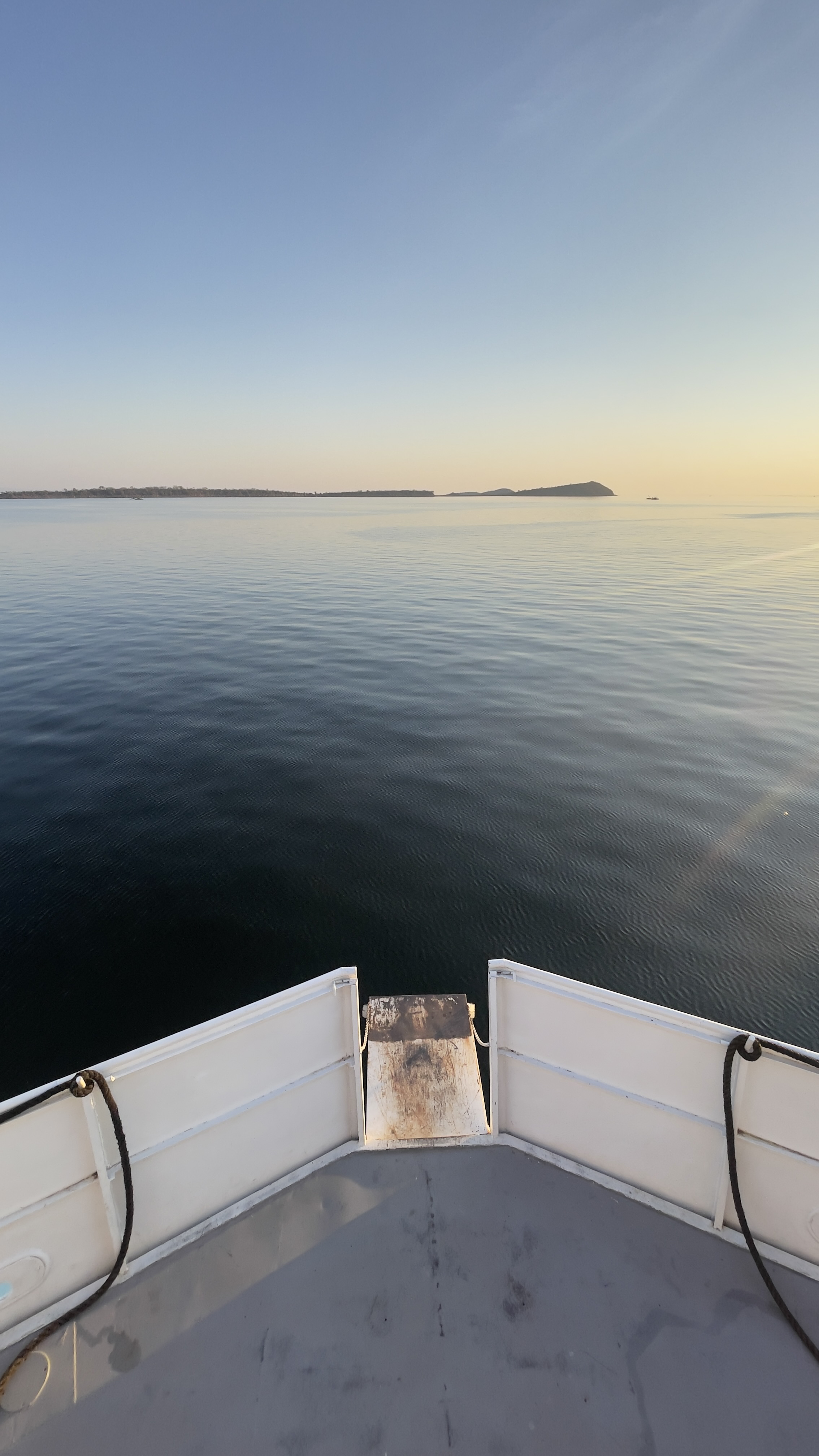
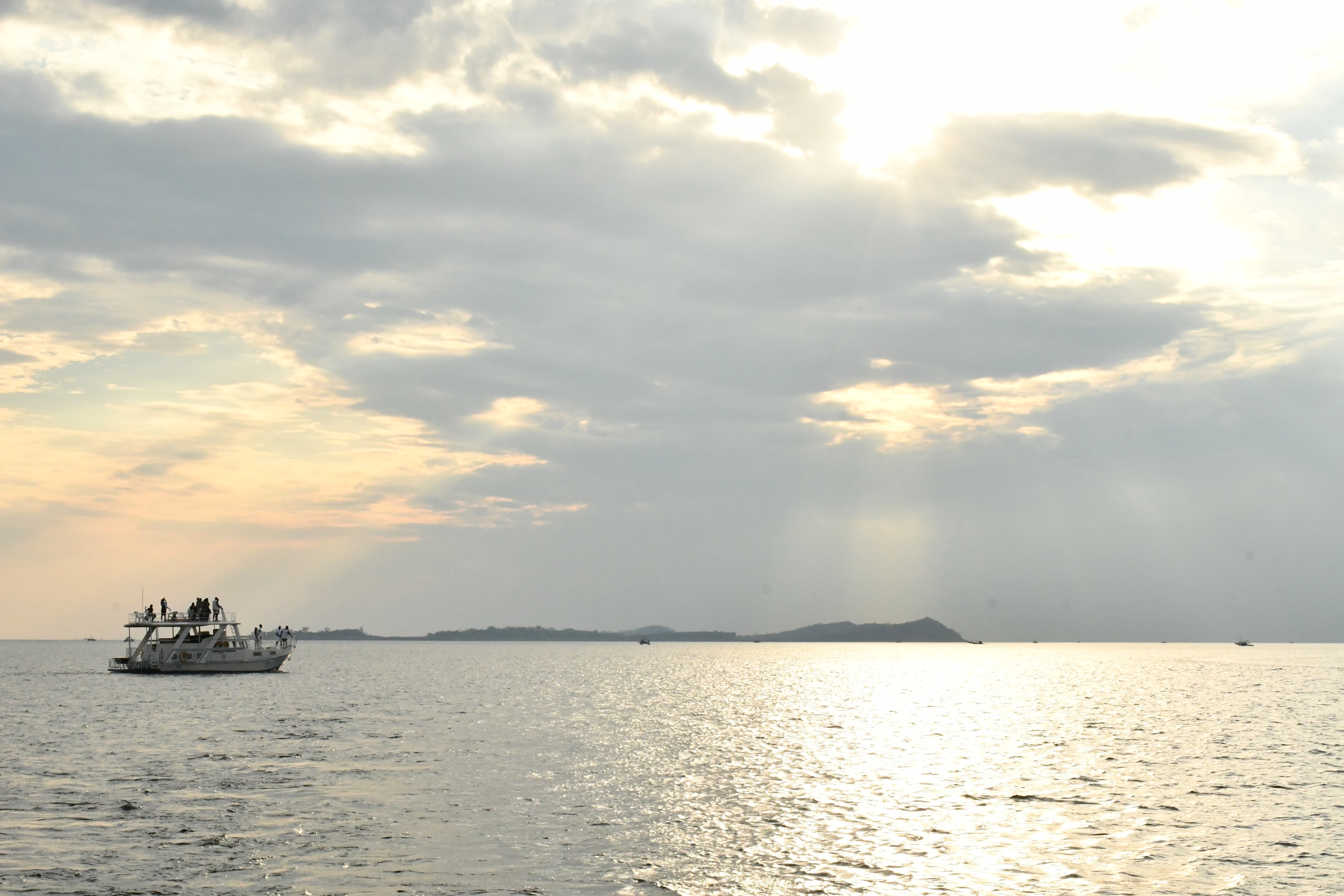
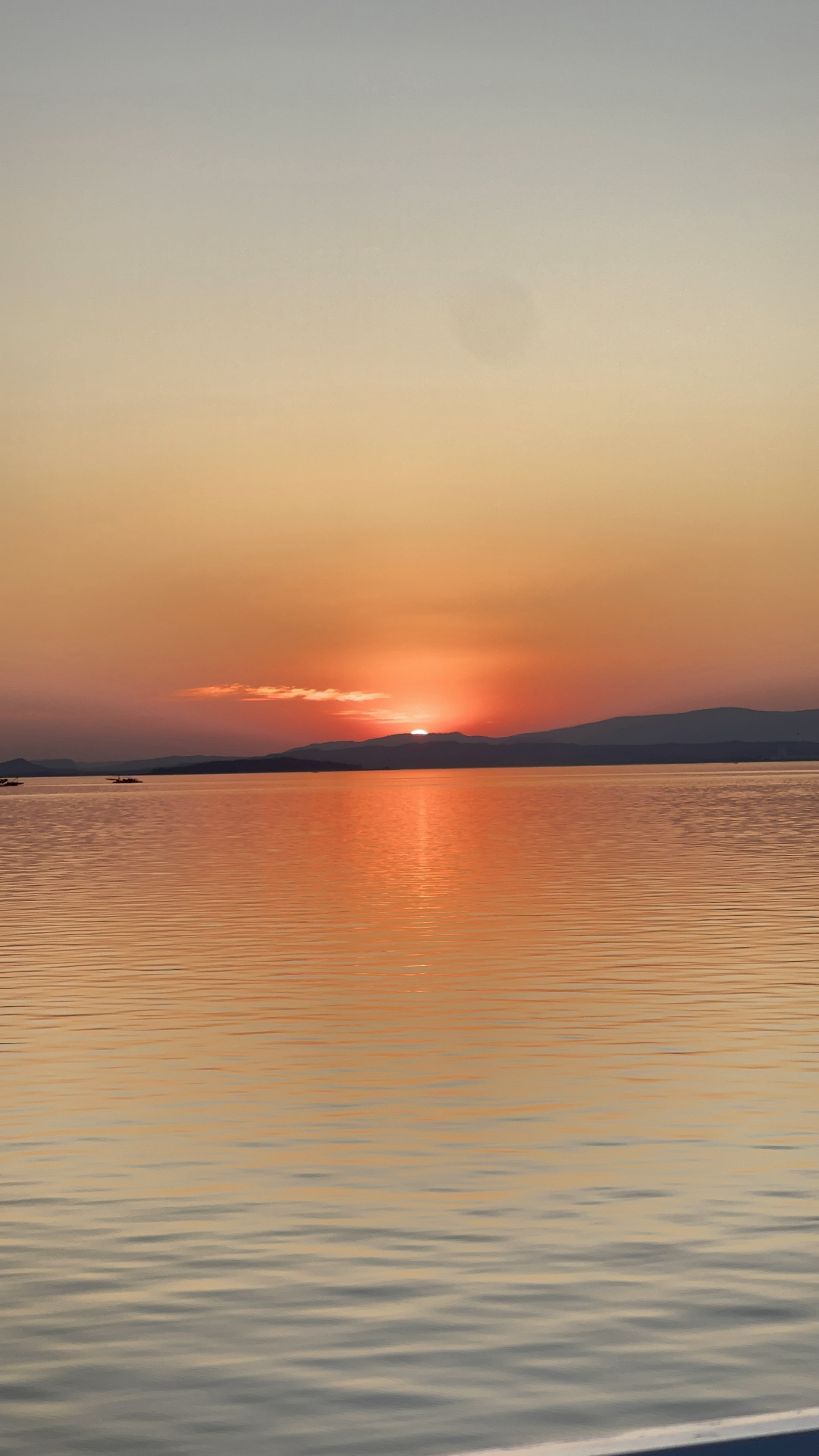
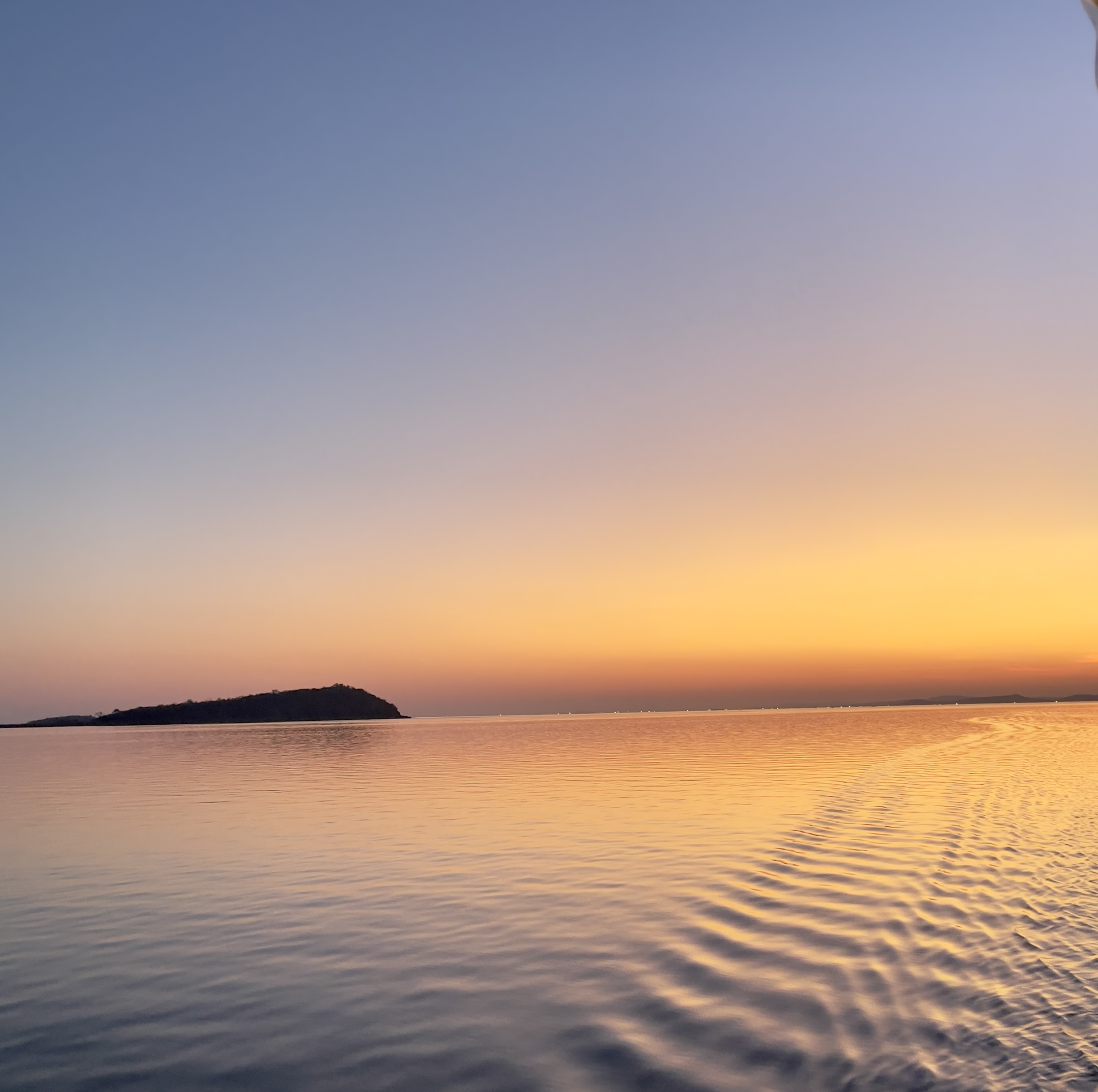
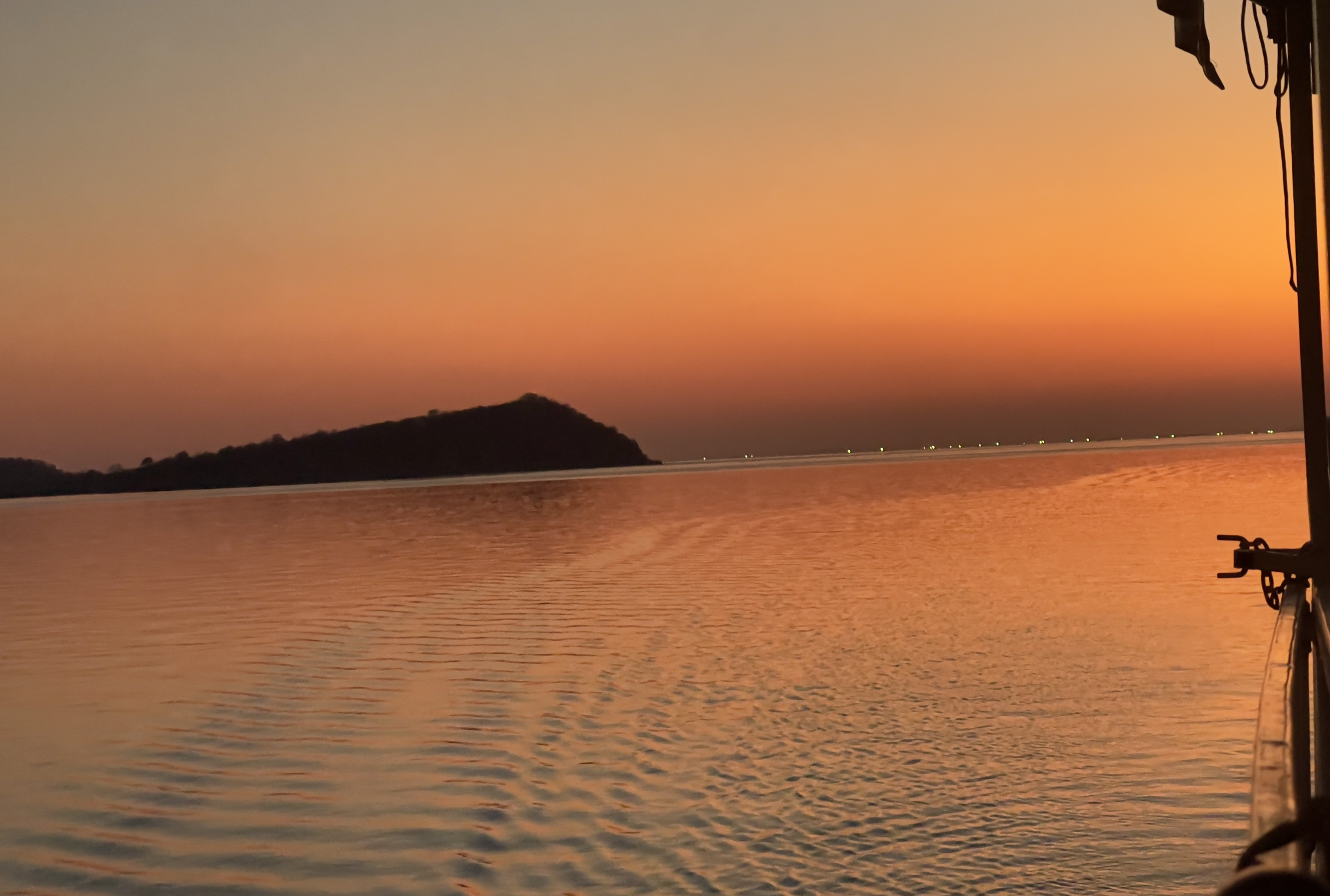
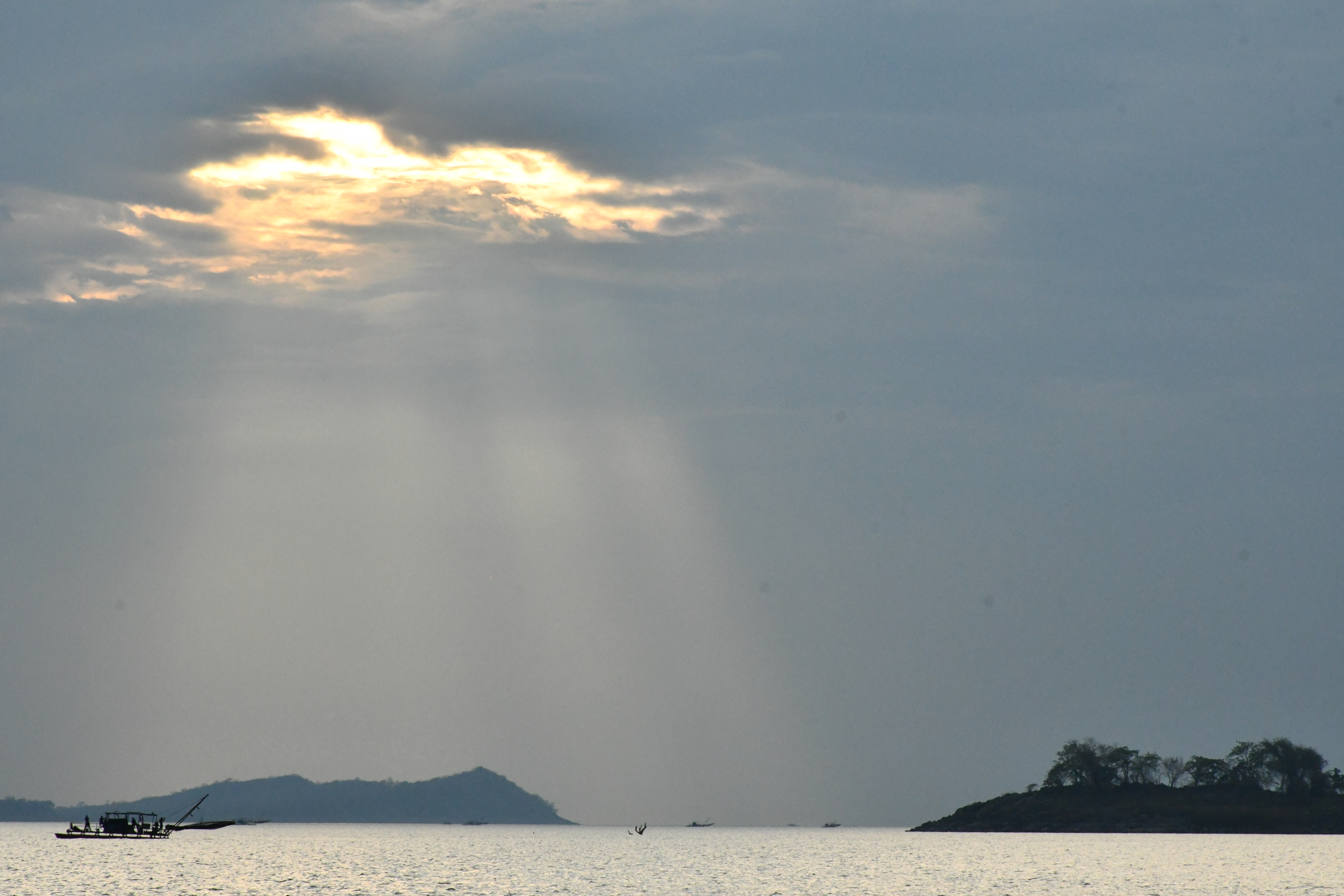
And then there are the sunsets. Sailing on Lake Kariba as the sun dips below the horizon is to witness nature’s poetry. The sky ignites in shades of brass, orange, pink and purple, reflecting on the water as though both earth and sky were on fire. Neither photographs nor words can fully capture the majesty of a Zambezi sunset. You just need to see and feel it in person.
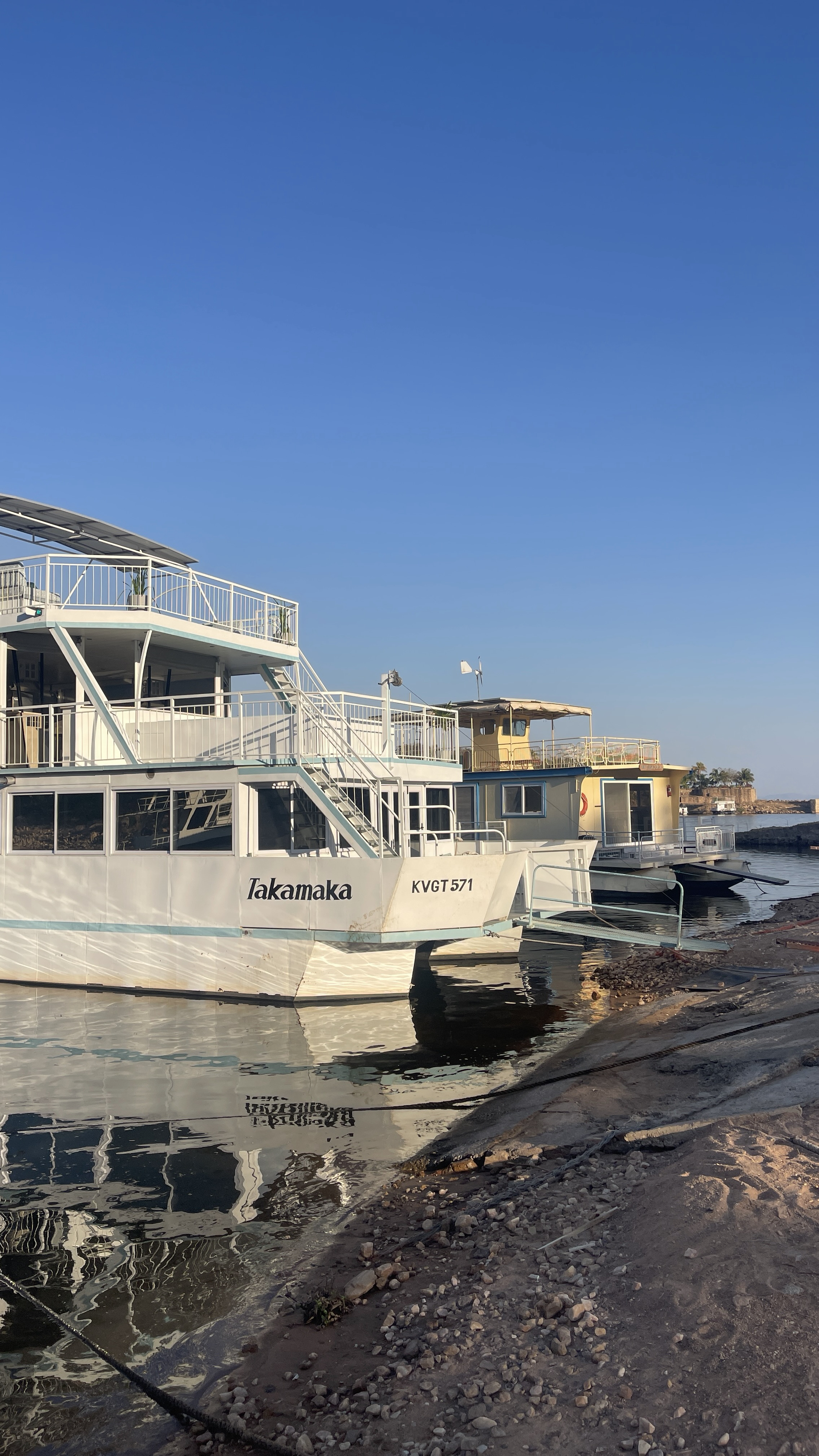
All three establishments I mentioned offer boat cruises that ferry guests at different times of day so that you can experience different lake spots, such as Banana Island, the dam wall, and the fish farm areas. Each sunset cruise has become one of my favourite parts of visiting this picturesque destination.
The Dam Wall
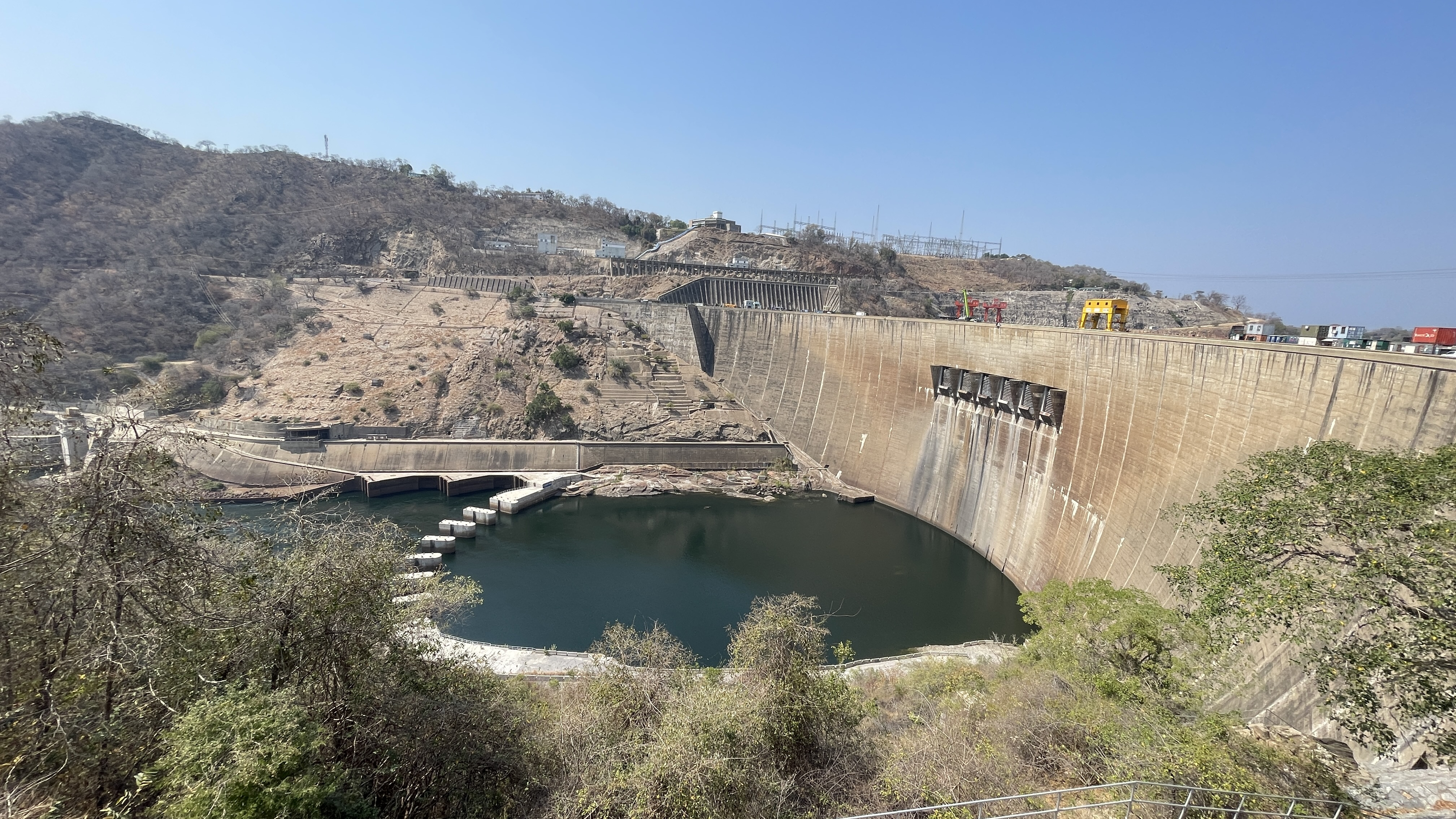
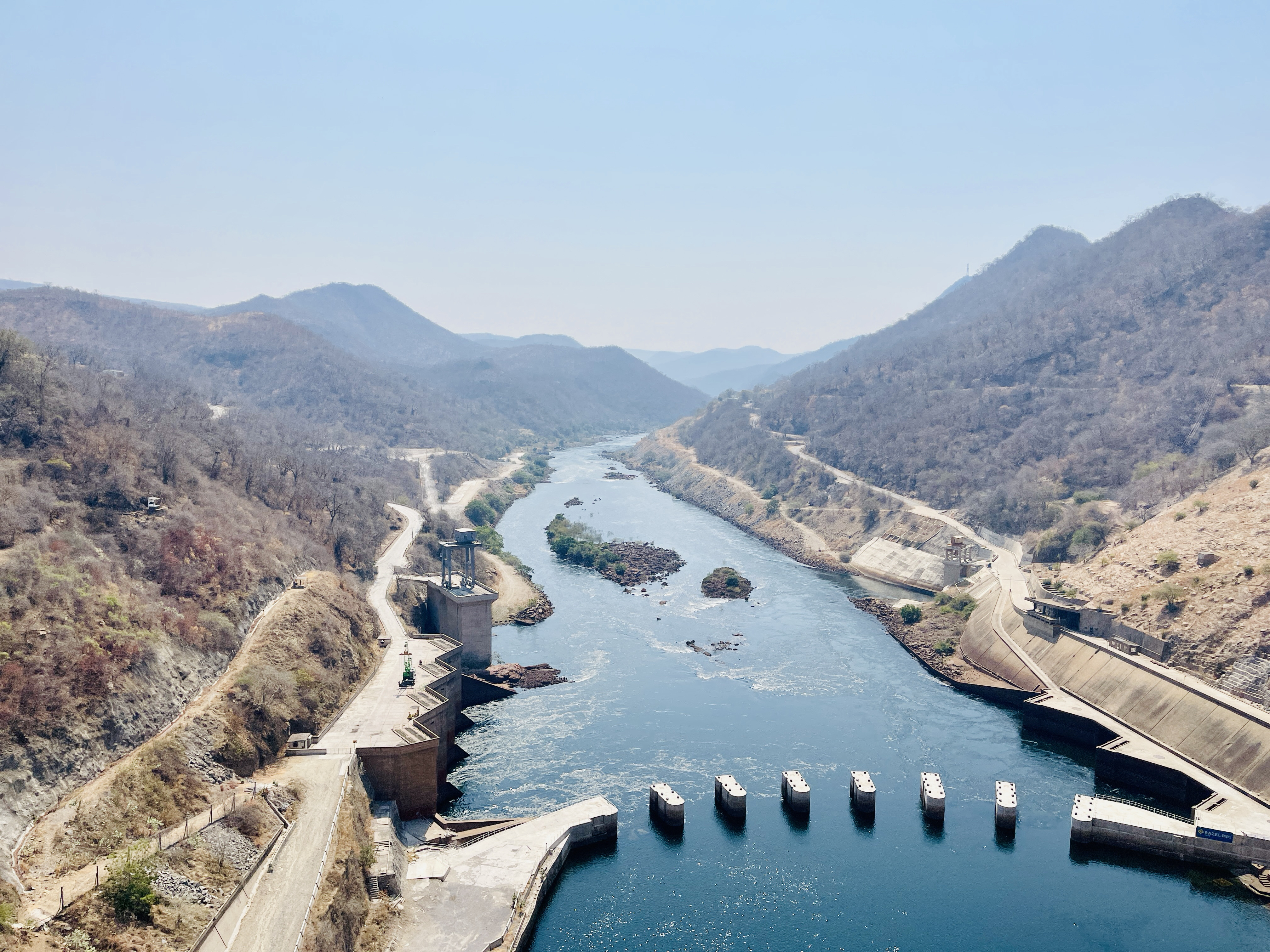
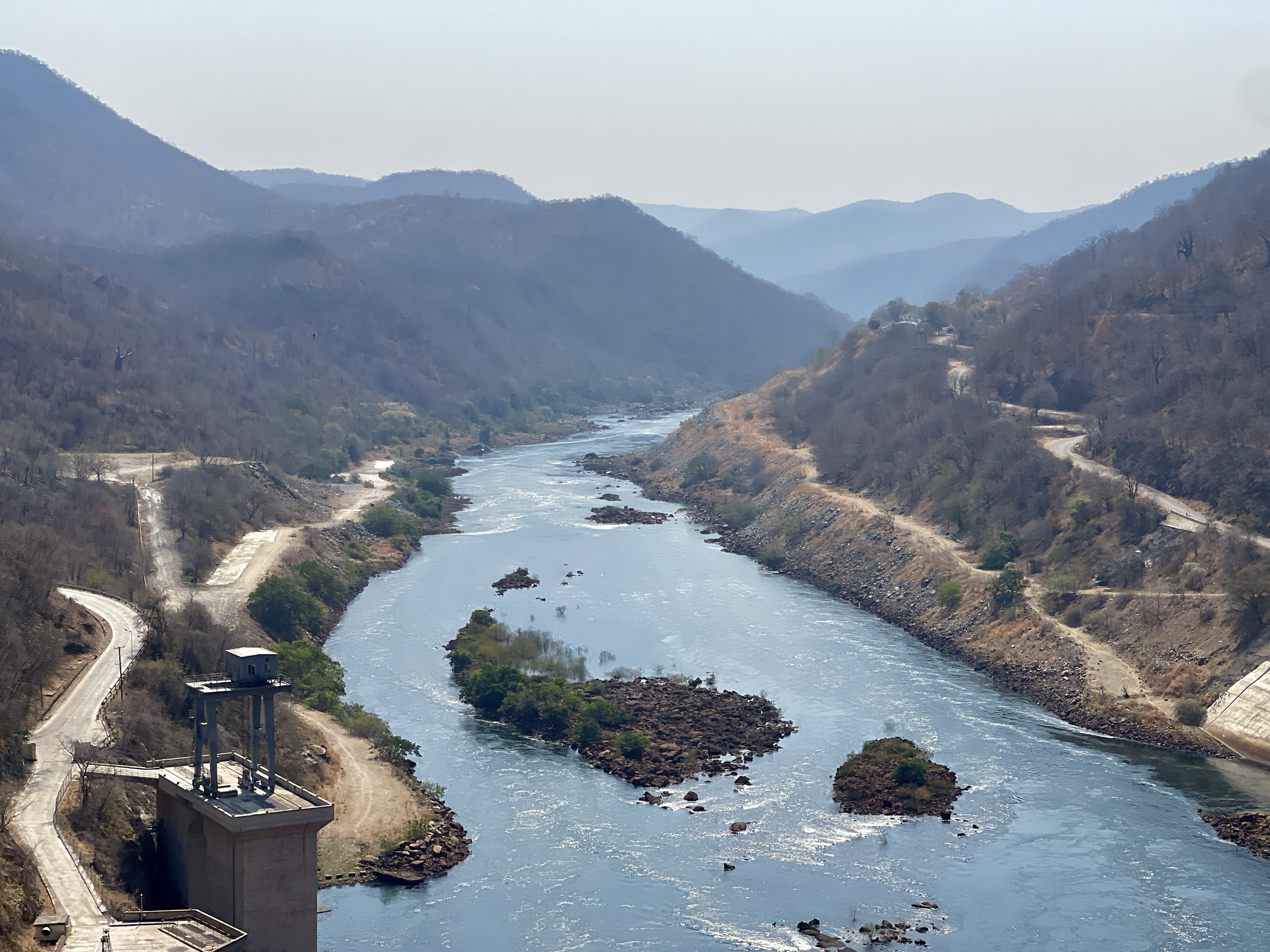
Of course, Siavonga’s story would be incomplete without the Kariba Dam. Completed in the late 1950s, this engineering marvel straddles Zambia and Zimbabwe, creating the world’s largest man-made reservoir by volume. It really is impressive when you see it. Visiting the dam is definitely worth it; there is a small fee to access it, but the views and the sheer scale of the dam and the lake it created are absolutely worth the price of admission.
Journeying to Siavonga is to journey through contrasting landscapes, all while experiencing a bit of history and the warmth of the people and communities along the way. There is something to marvel at every step of the way. If you are craving a leisurely, laid-back staycation, Siavonga should be at the top of your list.
My tips
- Siavonga’s microclimate is noticeably hotter than Lusaka year-round. Pack light clothing and a hat to stay cool.
- The most spectacular sunsets happen at dusk, so plan your boat cruise for late afternoon rather than morning.
- The surrounding areas are home to hippos, crocodiles and a wide range of birdlife. Keep a safe distance from the water at night, especially in quiet areas.
- Siavonga is not a big commercial town. Stock up on essentials in Lusaka before you travel.
- By all means carry a cooler box as you will get some good stock of fresh and dried fish
(As seen in March – April 2026 edition of the Nkwazi Magazine)
 Adventures with BoBoBongz
Leave a comment